Canine parvovirus is one of the most serious viral diseases that can affect dogs, especially puppies and young dogs. The infection can develop quickly and may become life threatening if treatment is delayed. Learning how to recognize the early signs of canine parvovirus can help pet owners seek veterinary care before the condition becomes severe. Although any dog that is not properly vaccinated can become infected, puppies are particularly vulnerable because their immune systems are still developing.
Canine parvovirus is highly contagious and can spread through contact with infected dogs, contaminated surfaces, feces, food bowls, bedding, shoes, and other objects. The virus is also known for surviving in the environment for long periods. Because of this, even a puppy that has not directly interacted with another sick dog may be exposed. Understanding the symptoms, risk factors, and importance of early treatment is essential for every responsible dog owner.
What Is Canine Parvovirus?
Canine parvovirus, commonly called parvo, is a highly contagious viral infection that mainly affects the digestive system of dogs. The virus attacks rapidly dividing cells in the body, particularly cells lining the intestines and certain cells involved in immune system function. This damage can cause severe gastrointestinal symptoms and make it difficult for the dog to fight other infections.
The disease is most common in puppies between six weeks and six months of age, although older dogs can also become infected. Dogs that have not received appropriate vaccinations are at a much greater risk. Some breeds may also have a higher susceptibility to severe parvovirus infection. Because the disease can progress rapidly, recognizing the early signs of canine parvovirus is extremely important.
Early Signs of Canine Parvovirus
The first symptoms of canine parvovirus may appear similar to other common illnesses. This can make it difficult for owners to recognize the problem at first. However, changes in behavior, appetite, and digestion should never be ignored, especially in an unvaccinated puppy.
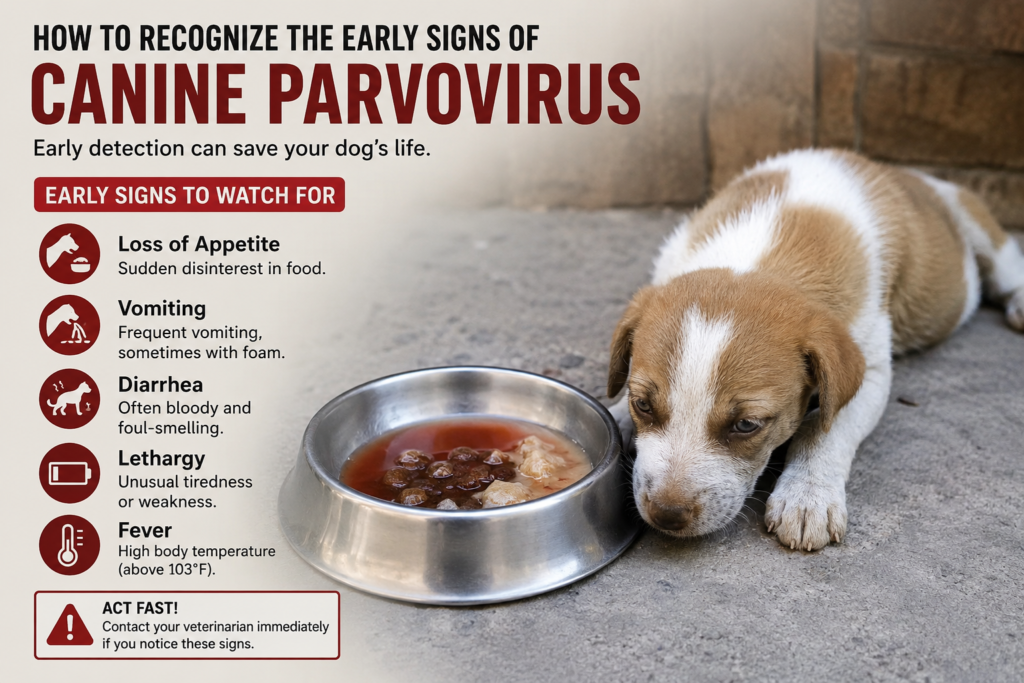
Loss of Appetite
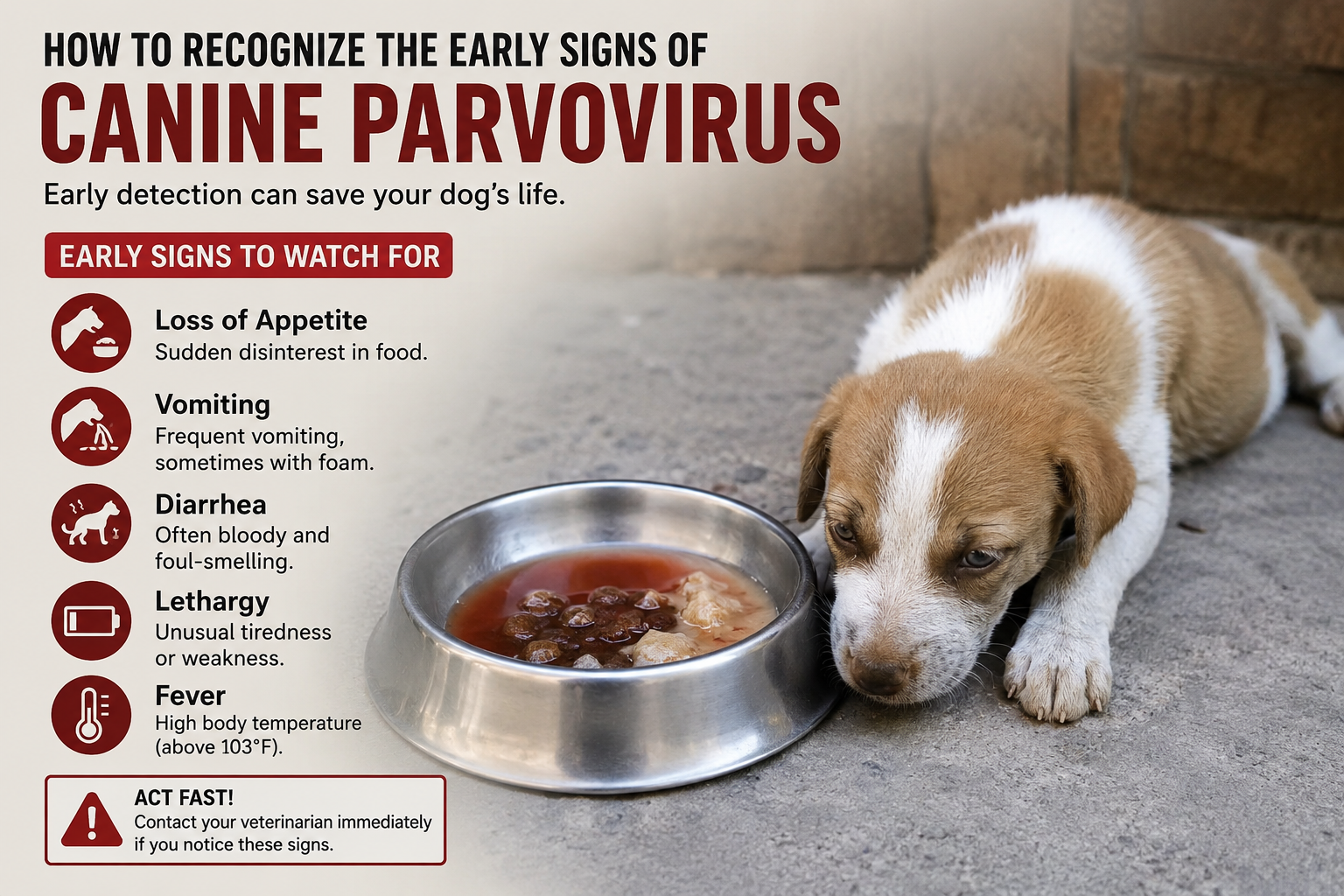
One of the early signs of canine parvovirus is a noticeable loss of appetite. A dog that normally becomes excited when food is offered may suddenly refuse meals or show very little interest in eating. Puppies usually have strong appetites, so a sudden change can be an important warning sign.
Loss of appetite may occur with other illnesses as well, but when it appears alongside tiredness, vomiting, or diarrhea, parvovirus should be considered. Pet owners should monitor how long the dog refuses food and watch for additional symptoms.
Lethargy and Weakness
Another early symptom is unusual tiredness. A normally active puppy may stop playing, sleep much more than usual, or appear unwilling to move around. The dog may seem weak and less responsive than normal.
This weakness can become more serious as the infection progresses. Vomiting and diarrhea can cause significant fluid and electrolyte loss, which may lead to dehydration and severe weakness. If a young dog suddenly becomes very lethargic, veterinary advice should be sought promptly.
Fever or Low Body Temperature
Dogs infected with parvovirus may develop a fever during the early stages of infection. However, as the disease becomes severe, their body temperature may sometimes fall below normal. A change in body temperature can indicate that the dog is becoming seriously ill.
Because it can be difficult for pet owners to accurately determine a dog’s temperature without proper equipment, other symptoms should also be considered. A puppy that feels unusually warm or cold and is also showing digestive problems should be examined by a veterinarian.
Vomiting and Diarrhea
Vomiting is one of the most recognizable symptoms associated with canine parvovirus. It may begin after the dog loses its appetite and can become frequent. Continued vomiting makes it difficult for the dog to keep food and water down.
Diarrhea often follows or occurs at the same time as vomiting. In severe cases, the diarrhea may become watery and contain blood or mucus. Bloody diarrhea is a serious warning sign and requires immediate veterinary attention.
It is important to understand that not every dog with parvovirus will have bloody diarrhea at the beginning. Some dogs may initially have loose stools without visible blood. Therefore, pet owners should not wait for bloody diarrhea before taking action if other symptoms are present.
Dehydration Is a Major Concern
Dehydration is one of the biggest dangers associated with canine parvovirus. Repeated vomiting and diarrhea can cause a dog to lose large amounts of water and essential electrolytes within a short period.
Signs of dehydration may include dry or sticky gums, weakness, sunken eyes, and reduced energy. A dehydrated puppy can become seriously ill very quickly. Young dogs have fewer reserves than healthy adult dogs, which means they may deteriorate faster.
If a dog is vomiting repeatedly, do not assume that giving large amounts of water will solve the problem. A dog that cannot keep fluids down may require veterinary treatment and intravenous or other forms of fluid support.
Abdominal Pain and Discomfort
Canine parvovirus can cause inflammation and damage in the intestinal tract, which may result in abdominal discomfort. A sick dog may become restless, change its sleeping position frequently, or react when its abdomen is touched.
Some dogs may also sit in unusual positions or appear uncomfortable when walking or lying down. These changes can be subtle, but they become more meaningful when combined with vomiting, diarrhea, loss of appetite, and weakness.
Why Puppies Are at Greater Risk
Puppies are particularly vulnerable to canine parvovirus because their immune systems are still developing. They also go through a period when antibodies received from their mother may decrease while their own vaccine protection is still developing.
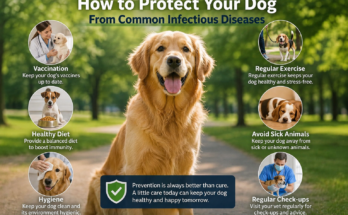
This is why following a veterinarian recommended vaccination schedule is one of the most important ways to protect a puppy from parvovirus. Until a puppy has received appropriate vaccinations, owners should be careful about taking the puppy into areas where many dogs gather.
How Canine Parvovirus Spreads
Canine parvovirus spreads easily through infected feces and contaminated environments. The virus can remain on objects and surfaces, allowing it to be carried from one place to another on shoes, clothing, hands, food bowls, cages, and other items.
Direct contact with an infected dog is not necessary for transmission. A person can unknowingly carry contaminated material into the home. This is one reason why puppies should be protected from potentially contaminated areas until their vaccination protection is established.
If you suspect that your dog has parvovirus, keep the dog away from other dogs and contact a veterinarian immediately. Isolation is important because an infected dog can spread the virus to other animals.
What Should You Do If You Notice Symptoms?
If your dog shows early signs of canine parvovirus, do not wait several days to see whether the symptoms disappear. Parvovirus can progress rapidly, particularly in puppies. Early veterinary evaluation can make an important difference.
A veterinarian may perform a physical examination and recommend diagnostic testing to determine whether parvovirus is present. Treatment generally focuses on supporting the dog’s body while it fights the infection. This may include fluids, medication to control vomiting, nutritional support, and treatment for complications or secondary infections when necessary.
Never give human medications to a sick dog unless a veterinarian specifically recommends them. Some human medicines can be dangerous or even toxic to dogs.
Prevention Is Better Than Treatment
The best protection against canine parvovirus is proper vaccination combined with good hygiene and responsible pet care. Puppies should receive their recommended vaccines according to a schedule provided by a veterinarian. Adult dogs may also need booster vaccinations to maintain protection.
Keeping living areas clean is also important. If a dog has been diagnosed with parvovirus, the environment should be carefully disinfected using products and procedures recommended by veterinary professionals. Ordinary household cleaning may not be enough to eliminate the virus.
Pet owners should also avoid exposing unvaccinated puppies to places where infected dogs may have been present. Dog parks, kennels, shelters, and other areas with many animals can present higher exposure risks.
When to Contact a Veterinarian
Any puppy with repeated vomiting, severe diarrhea, extreme weakness, loss of appetite, or signs of dehydration should receive prompt veterinary attention. The combination of symptoms is especially concerning if the puppy is not fully vaccinated.
Early intervention can help prevent complications associated with dehydration, electrolyte imbalance, intestinal damage, and secondary infections. Waiting until a dog becomes extremely weak can make treatment more difficult.
Remember that canine parvovirus symptoms can resemble other gastrointestinal illnesses. Only a veterinarian can properly evaluate the dog and determine the likely cause. Early veterinary care is therefore much safer than trying to diagnose and treat the illness at home.
Final Thoughts
Recognizing the early signs of canine parvovirus can help dog owners respond quickly when their pets become sick. Loss of appetite, lethargy, vomiting, diarrhea, abdominal discomfort, fever, and dehydration are important symptoms to watch for, particularly in young or unvaccinated dogs.
Canine parvovirus is highly contagious and can become dangerous in a short period of time. However, vaccination, good hygiene, careful exposure management, and prompt veterinary attention can significantly reduce the risks. If you notice sudden digestive problems or unusual weakness in your puppy, take the symptoms seriously and contact a veterinarian as soon as possible.
A healthy puppy depends on prevention and early care. Knowing what canine parvovirus looks like in its early stages gives pet owners a better chance of protecting their dogs and getting them the professional help they need.