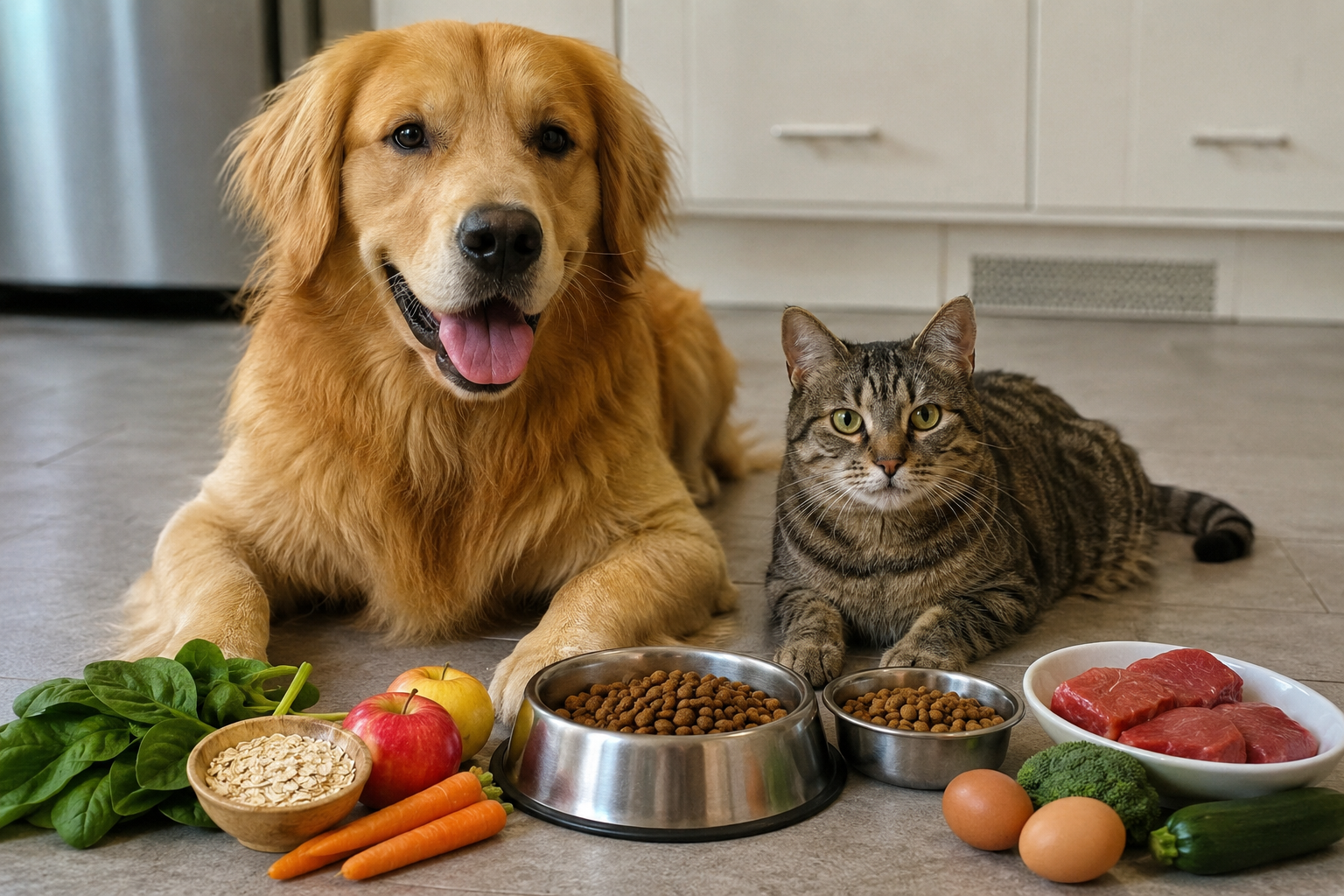
A healthy diet is one of the most important parts of keeping a pet happy, active, and healthy. Many pet owners focus on exercise, grooming, vaccinations, and regular veterinary visits, but nutrition is sometimes overlooked. The food a pet eats every day has a direct effect on its immune system, weight, digestion, skin, energy levels, and overall health. Providing balanced pet nutrition can help reduce the risk of many common pet diseases and support a longer and healthier life.
Dogs and cats have different nutritional needs, so their food should always be selected according to their species, age, size, activity level, and health condition. A good diet does not mean simply giving a pet more food or expensive treats. It means providing the right combination of protein, fats, carbohydrates, vitamins, minerals, and water. When these nutrients are supplied in suitable amounts, they help the body function properly and protect pets from many preventable health problems.
The Connection Between Diet and Pet Health
The relationship between diet and pet health is very strong. Just like humans, pets need proper nutrition to maintain healthy body systems. Their muscles, bones, organs, immune system, skin, and digestive system all depend on essential nutrients. Poor nutrition can weaken these systems and make pets more vulnerable to illness.
A balanced diet gives pets the energy they need for daily activities while helping them maintain a healthy body weight. When pets regularly consume food that contains too many calories, unhealthy fats, or unnecessary ingredients, they may gain excess weight. Obesity is one of the most common health problems in pets and can increase the risk of diabetes, joint problems, heart disease, breathing difficulties, and other conditions.
On the other hand, pets that do not receive enough nutrients may experience poor growth, weak muscles, dull coats, digestive problems, and a weakened immune system. This is why choosing appropriate pet food is an important part of disease prevention.
A Healthy Diet Helps Maintain a Strong Immune System
The immune system protects pets from infections and other diseases. A healthy immune system needs a steady supply of essential nutrients to work properly. Protein, vitamins, minerals, and healthy fats all contribute to immune function.
High quality protein is particularly important because it provides amino acids that the body uses to build and repair tissues. Dogs and cats need adequate protein throughout their lives, although the exact amount can vary depending on age and health.
Vitamins such as vitamin A, vitamin E, and certain B vitamins also support normal body functions. Minerals including zinc and selenium play important roles in maintaining healthy tissues and immune responses. When a pet receives a balanced diet containing these nutrients, its body is better prepared to respond to everyday health challenges.
Nutrition cannot prevent every infection, but good nutrition can support the body’s natural defenses. This makes a healthy diet an important part of an overall pet disease prevention plan.
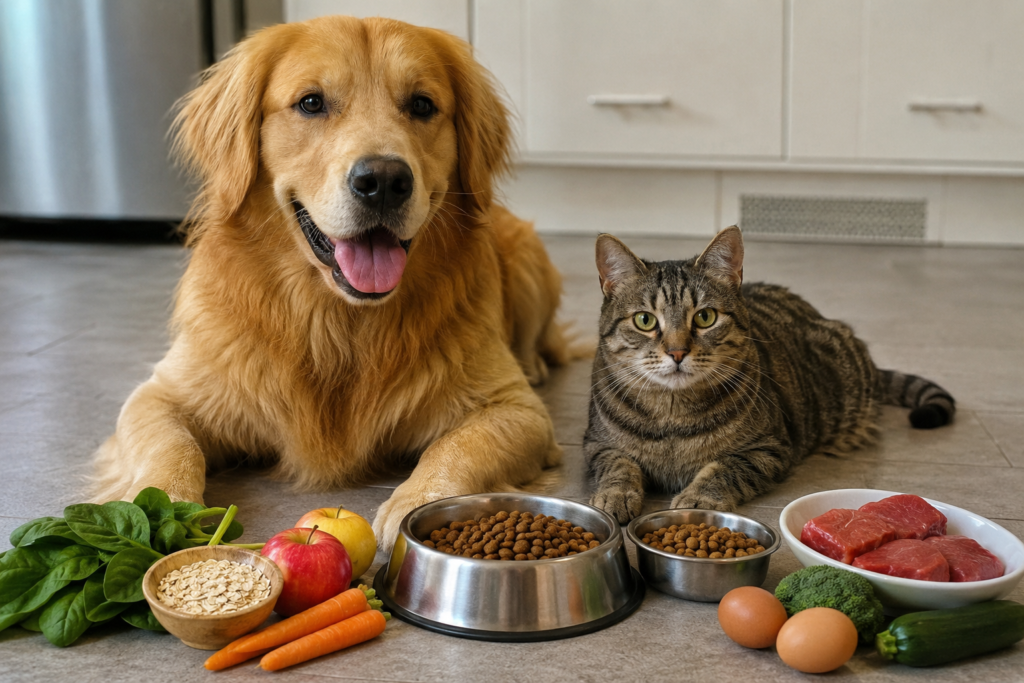
Preventing Pet Obesity Through Proper Nutrition
Obesity is a major concern for dogs and cats. Many pets gain weight because they receive more calories than their bodies need. Extra treats, table food, large portions, and a lack of exercise can all contribute to weight gain.
A healthy diet can help pets maintain an appropriate body weight. Pet owners should follow feeding recommendations based on their pet’s size, age, activity level, and individual needs. However, feeding instructions on pet food packaging are general guidelines, so adjustments may sometimes be necessary.
Portion control is especially important. Giving a pet a large amount of food simply because it seems hungry can lead to excessive calorie intake. Treats should also be given in moderation and should not replace balanced meals.
Maintaining a healthy weight can reduce pressure on the joints and lower the risk of several obesity related diseases. A healthy body weight also allows pets to remain active and comfortable as they age.
Nutrition and Digestive Health
Digestive health is another important area affected by diet. Pets with poor diets may experience problems such as diarrhea, constipation, gas, vomiting, or irregular bowel movements. A balanced diet that contains appropriate nutrients can help support normal digestion.
Some pets benefit from adequate dietary fiber because fiber can support healthy bowel movements and digestive function. However, the ideal amount of fiber depends on the individual pet and its health needs.
Sudden changes in food can also upset a pet’s digestive system. If a new diet is necessary, changing food gradually over several days can make the transition easier. Pet owners should also provide clean and fresh water at all times because proper hydration is essential for digestion and many other body functions.
Persistent digestive problems should never be ignored. If a pet regularly experiences vomiting, diarrhea, appetite changes, or weight loss, a veterinarian should evaluate the animal to determine the underlying cause.
Healthy Food Can Support Skin and Coat Health
A pet’s skin and coat can provide visible clues about its nutritional health. A healthy dog or cat often has a smooth coat and healthy skin, although coat quality also depends on genetics, grooming, age, and overall health.
Essential fatty acids, high quality protein, vitamins, and minerals can support normal skin and coat condition. Omega fatty acids are particularly well known for supporting healthy skin and contributing to a shiny coat.
Poor nutrition may contribute to dry skin, excessive shedding, or a dull coat, although these symptoms can also be caused by allergies, parasites, infections, hormonal conditions, and other diseases. Therefore, changing food alone may not solve a skin problem.
A balanced diet combined with regular grooming and parasite prevention can help pets maintain healthier skin and coats.
Reducing the Risk of Diabetes
Diet and body weight can influence the risk of certain metabolic diseases in pets. Diabetes is one condition that can be associated with obesity and other health factors, particularly in cats.
Feeding appropriate portions and avoiding excessive treats can help prevent unnecessary weight gain. A nutritious diet also provides the body with energy without supplying excessive calories.
Cats are obligate carnivores and have specific nutritional requirements that are different from those of dogs. Cat food should be formulated specifically for cats and should provide the nutrients they need for normal health.
If a pet shows signs such as increased thirst, frequent urination, unusual hunger, or unexplained weight loss, veterinary attention is important. These symptoms can have several causes and should be properly investigated.
Protecting Joint and Bone Health
Nutrition also plays an important role in maintaining strong bones and healthy joints. This is particularly important for growing puppies and kittens, large breed dogs, older pets, and animals with joint problems.
Protein supports muscle development, while appropriate levels of minerals help support normal bone health. Excessive or inappropriate supplementation can sometimes be harmful, especially in growing animals. Pet owners should therefore avoid giving vitamin or mineral supplements unless they are recommended by a veterinarian.
Keeping pets at a healthy weight is equally important for joint health. Every extra kilogram places additional stress on the joints, especially in dogs that already have arthritis or other mobility problems.
Choosing the Right Pet Food
Choosing the right pet food can feel confusing because there are many products available. Pet owners should look for food that is complete and balanced for the animal’s species and life stage. Puppies, kittens, adult pets, and senior animals may have different nutritional requirements.
It is also important to avoid choosing food based only on advertising or packaging claims. The best diet depends on the individual pet. A healthy adult dog may do well on a different diet from an elderly dog with kidney disease. Similarly, a kitten needs different nutrition from an adult cat.
Veterinarians can provide useful advice when choosing food, especially when a pet has allergies, digestive problems, obesity, kidney disease, diabetes, or another medical condition.
The Importance of Fresh Water
Food is not the only part of good nutrition. Fresh water is equally important for pet health. Water supports digestion, circulation, temperature regulation, kidney function, and many other processes in the body.
Pets should have access to clean drinking water throughout the day. Water bowls should be cleaned regularly to prevent the buildup of dirt and bacteria. Some cats may drink more water from a fountain or from multiple bowls placed around the home.
If a pet suddenly drinks much more or much less water than usual, the change should be discussed with a veterinarian because unusual thirst can sometimes indicate an underlying health problem.
Avoid Giving Too Many Treats
Treats can be a useful way to reward pets, but excessive treats can contribute to obesity and nutritional imbalance. Many treats contain additional calories that pet owners may not consider when planning daily meals.
Treats should be given in moderation. Small portions can be enough to reward good behavior without adding unnecessary calories. Table scraps should also be limited because some human foods are unhealthy or even dangerous for pets.
Foods such as chocolate, onions, garlic, grapes, raisins, and certain artificial sweeteners can be harmful to dogs and cats. Pet owners should learn which human foods are unsafe and keep them away from curious animals.
Regular Veterinary Care Still Matters
A healthy diet can help prevent many nutrition related problems, but it cannot replace professional veterinary care. Regular checkups allow veterinarians to monitor a pet’s weight, dental health, body condition, and overall development.
Veterinary examinations can also identify early signs of disease before serious symptoms develop. If a pet has a specific medical condition, its diet may need to be changed as part of the treatment plan.
Pet owners should also follow recommended vaccination schedules, parasite prevention programs, dental care routines, and exercise plans. Disease prevention works best when good nutrition is combined with complete preventive care.
Conclusion
A healthy diet is one of the simplest and most effective ways to support long term pet health. Balanced pet nutrition provides the nutrients needed for strong muscles, healthy bones, good digestion, healthy skin, a strong immune system, and appropriate body weight. It can also reduce the risk of obesity and other nutrition related health problems.
Every pet has different nutritional needs, so there is no single diet that is perfect for every animal. Choosing appropriate food, controlling portions, limiting treats, providing fresh water, and monitoring changes in weight or appetite can make a major difference in a pet’s quality of life.
Pet owners who make nutrition a priority give their dogs and cats a stronger foundation for a healthy future. Along with regular exercise, veterinary checkups, vaccinations, parasite prevention, and proper care, a balanced diet can help pets stay active, comfortable, and happy for many years.