Pets are an important part of our families, and every pet owner wants to see their animal healthy, active, and happy. However, pets cannot tell us when they are feeling unwell. They often hide pain or illness, which can make it difficult for owners to notice a problem in the early stages. This is why understanding the common signs of pet illness is important for every responsible pet owner. Small changes in behavior, appetite, energy, or appearance can sometimes indicate that something is wrong.
Knowing the signs that your pet may be sick can help you take action before a minor health issue becomes a serious problem. Whether you have a dog, cat, rabbit, bird, or another companion animal, paying attention to normal habits can make it easier to recognize unusual changes. In this article, we will discuss the most common signs of pet illness and explain when you should contact a veterinarian.
Changes in Appetite
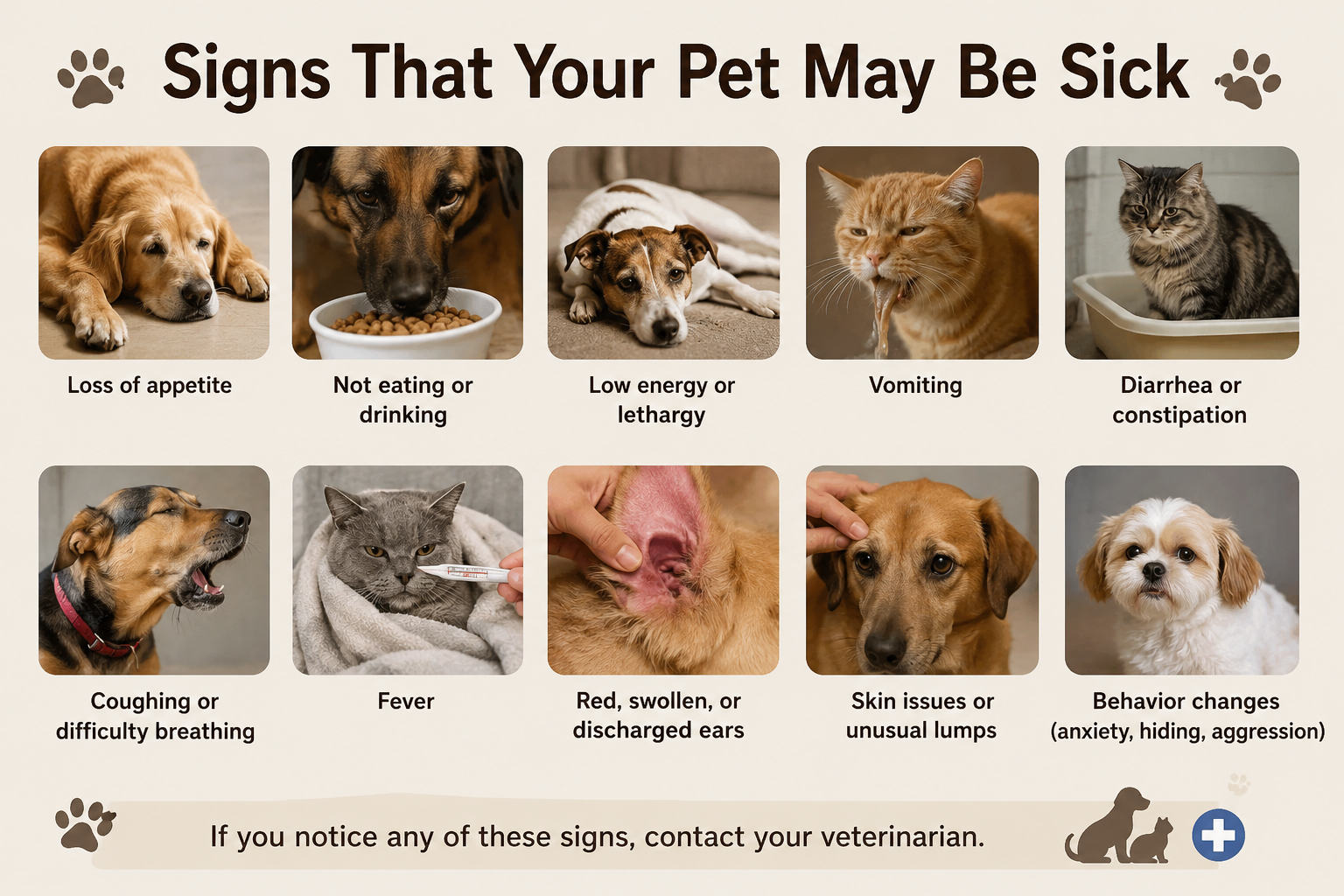
One of the most noticeable signs that your pet may be sick is a change in appetite. Most pets have regular eating habits, so a sudden loss of interest in food should not be ignored. A pet that normally finishes every meal but suddenly refuses food may be experiencing a health problem.
Loss of appetite can happen for many reasons. Dental problems, stomach issues, infections, stress, pain, and other medical conditions can affect the desire to eat. In some cases, pets may also eat less because of changes in their environment or food.
Eating more than usual can also be a warning sign. Increased hunger may sometimes be associated with certain medical conditions. If your pet has a noticeable change in eating habits that continues for more than a short period, it is a good idea to speak with a veterinarian.
Drinking More or Less Water
Changes in water consumption can also provide important clues about your pet’s health. If your pet suddenly starts drinking much more water than usual, it may indicate an underlying health issue. Excessive thirst can sometimes occur with conditions involving the kidneys, metabolism, or other parts of the body.
On the other hand, drinking very little water can also be concerning. Proper hydration is necessary for normal body functions, and dehydration can become dangerous if it continues.
Pet owners should pay attention to how often their animals visit their water bowl and whether their normal drinking pattern has changed. A sudden and persistent change should be discussed with a veterinarian.
Unusual Tiredness or Lack of Energy
Pets naturally have different energy levels depending on their age and personality. However, a sudden decrease in activity can be one of the common signs of pet illness. If a normally playful dog stops wanting to walk or a cat spends most of the day hiding and sleeping, something may be wrong.
A sick pet may appear weak, tired, or uninterested in activities that it normally enjoys. It may stop playing with toys, avoid interaction with family members, or remain in one place for long periods.
Tiredness can sometimes be caused by something minor, such as a stressful event, but it can also be associated with infections, pain, fever, or other medical conditions. If your pet seems unusually tired for an extended period, professional advice is recommended.
Vomiting or Diarrhea
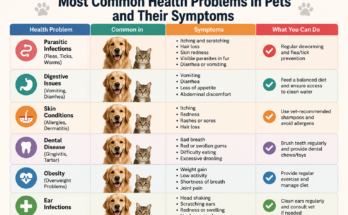
Digestive problems are another common sign that a pet may be sick. Occasional vomiting may happen if a pet eats something unusual, but repeated vomiting should not be ignored. Frequent vomiting can lead to dehydration and may indicate a more serious problem.
Diarrhea is another symptom that pet owners should watch carefully. A sudden change in bowel movements can be caused by dietary changes, parasites, infections, stress, or other health problems.
Pay attention to how often the symptoms occur and whether there are other signs such as weakness, loss of appetite, blood in the stool, or unusual behavior. Severe or persistent vomiting and diarrhea require veterinary attention, especially in young, elderly, or vulnerable pets.
Changes in Bathroom Habits
Changes in urination or bowel movements can provide valuable information about your pet’s health. If your pet suddenly urinates much more frequently, has accidents indoors, struggles to urinate, or produces very little urine, there may be an underlying problem.
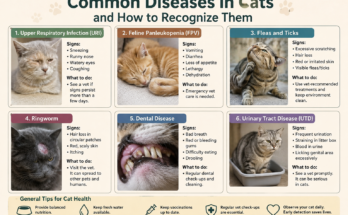
Cats in particular may show serious signs through changes in litter box behavior. A cat that repeatedly enters the litter box but cannot urinate may need urgent veterinary care.
Changes in bowel movements can also be important. Constipation, frequent stools, unusual stool color, or blood in the stool should be taken seriously. Monitoring your pet’s normal bathroom habits can help you identify health problems early.
Difficulty Breathing
Breathing problems are among the signs that should never be ignored. A healthy pet should generally breathe comfortably without excessive effort. If your pet is struggling to breathe, breathing very rapidly while resting, coughing frequently, or making unusual breathing sounds, it may require immediate veterinary attention.
Dogs may pant after exercise or during hot weather, and this can be normal. However, heavy or unusual panting while resting can sometimes indicate pain, stress, overheating, or illness.
Cats can be particularly good at hiding breathing problems. Open mouth breathing, rapid breathing, or visible difficulty breathing should be treated as an emergency.
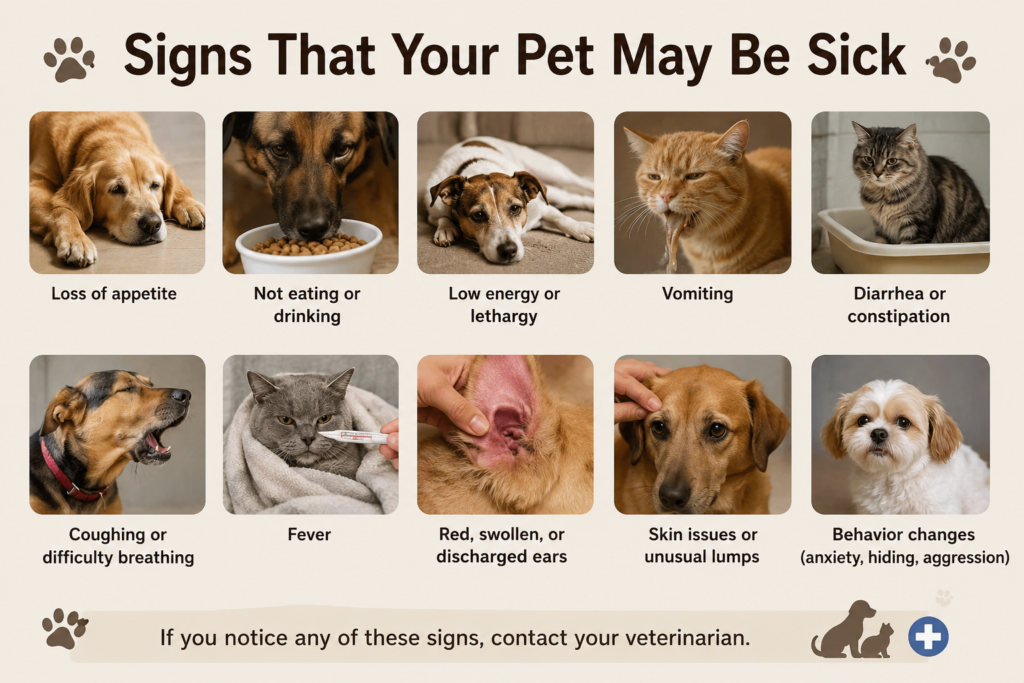
Changes in Behavior
Your pet’s behavior can tell you a lot about its physical and emotional condition. A normally friendly pet may suddenly become aggressive, withdrawn, nervous, or unusually quiet when it is not feeling well.
Some pets hide when they are sick, while others may become more attached to their owners. A dog that normally enjoys being touched may suddenly avoid contact because of pain. A cat that usually spends time with the family may begin hiding under furniture.
Behavioral changes do not always mean that your pet has a physical illness, but sudden and unexplained changes deserve attention. Understanding your pet’s normal personality makes it easier to recognize when something is different.
Changes in Appearance
A healthy pet usually has a clean coat, clear eyes, and normal skin. Changes in physical appearance can sometimes be early signs of illness.
Look for problems such as excessive hair loss, bald patches, dry skin, sores, swelling, lumps, redness, or unusual odors. A pet that stops grooming itself may also be experiencing pain or weakness.
The eyes can provide important clues as well. Redness, discharge, cloudiness, swelling, or frequent squinting should be checked by a veterinarian. Changes in the ears, nose, mouth, or skin should also be monitored.
Weight Loss or Weight Gain
Unexpected changes in body weight can be another warning sign. If your pet is losing weight even though it is eating normally, an underlying health problem may be present. Unexplained weight gain can also be concerning, especially when it happens quickly.
Weight changes may be related to diet, activity levels, age, or medical conditions. Regularly monitoring your pet’s weight can help you notice changes before they become obvious.
If your pet’s body shape appears noticeably different without an intentional change in diet or exercise, discuss it with a veterinarian.
Excessive Scratching or Licking
Pets naturally scratch and groom themselves, but excessive scratching, licking, biting, or rubbing can indicate a problem. Fleas, allergies, skin infections, parasites, and irritation can cause discomfort.
If your pet constantly scratches one area or repeatedly licks its paws, legs, or body, check the skin carefully. You may notice redness, swelling, wounds, hair loss, or other changes.
Avoid giving your pet human medications without professional advice. Some medicines that are safe for people can be dangerous for animals.
Bad Breath and Dental Problems
Dental health is an important part of overall pet health. Bad breath is sometimes dismissed as normal, but strong or persistent mouth odor can indicate dental disease.
Other warning signs include difficulty chewing, dropping food, excessive drooling, swollen gums, bleeding from the mouth, or avoiding hard food. Dental problems can cause significant pain and may affect a pet’s overall health if left untreated.
Regular dental care and veterinary checkups can help prevent serious oral health problems.
When Should You Contact a Veterinarian?
Knowing when to seek professional help is one of the most important parts of pet care. If your pet has a mild symptom that quickly disappears, you may simply need to continue monitoring it. However, persistent or severe symptoms should always be discussed with a veterinarian.
Seek urgent veterinary attention if your pet has difficulty breathing, collapses, has severe bleeding, cannot urinate, experiences repeated seizures, suffers serious injury, or becomes extremely weak. These situations may require immediate treatment.
It is also important to trust your instincts. Pet owners often know when their animal is behaving differently. Even if you cannot identify a specific symptom, a sudden change in your pet’s normal behavior can be a reason to contact a professional.
How to Keep Your Pet Healthy
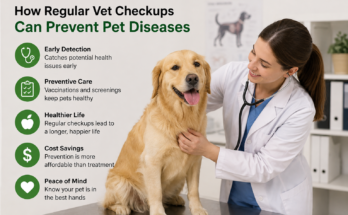
Preventive care can reduce the risk of many pet health problems. Provide your pet with a balanced diet, clean drinking water, regular exercise, proper grooming, and a safe living environment. Routine veterinary checkups are also important because some diseases may not produce obvious symptoms during their early stages.
Vaccinations, parasite prevention, dental care, and regular health examinations can help protect pets throughout their lives. Keeping a simple record of your pet’s eating habits, weight, activity, and bathroom routine can also make unusual changes easier to identify.
Most importantly, spend time with your pet and learn what is normal for them. Every animal has a unique personality and routine. When you know how your pet normally behaves, small changes become much easier to notice.
Conclusion
Recognizing the signs that your pet may be sick is an important responsibility for every pet owner. Changes in appetite, thirst, energy, behavior, bathroom habits, breathing, appearance, and body weight can all provide clues about your pet’s health. Some symptoms may be temporary, while others can indicate a serious medical problem.
The earlier a health problem is recognized, the better the chances of getting appropriate treatment. Regular veterinary care combined with careful observation at home can help your pet live a healthier and happier life. Never ignore sudden or severe symptoms, and when you are unsure about your pet’s condition, contacting a veterinarian is always the safest choice.
Taking a few minutes each day to observe your pet can make a meaningful difference. Your attention, care, and quick response can help protect your companion and ensure that they receive the support they need when they are not feeling their best.