Pets are an important part of many families. Whether you have a dog, cat, rabbit, or another companion animal, keeping your pet healthy is one of the biggest responsibilities of being a pet owner. Pets cannot tell us when they are feeling sick, so it is important to understand the common health problems in pets and recognize their symptoms early. Some health conditions are minor and can be treated easily, while others may become serious if they are ignored.
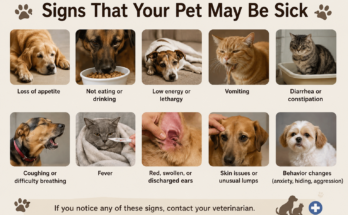
Knowing the signs of illness can help pet owners take action at the right time. Changes in eating habits, energy levels, behavior, weight, or bathroom habits can sometimes indicate that something is wrong. Regular veterinary checkups, proper nutrition, exercise, vaccinations, and good hygiene can also reduce the risk of many pet health problems. In this article, we will discuss some of the most common health problems in pets and the symptoms every pet owner should know.
Skin Problems in Pets
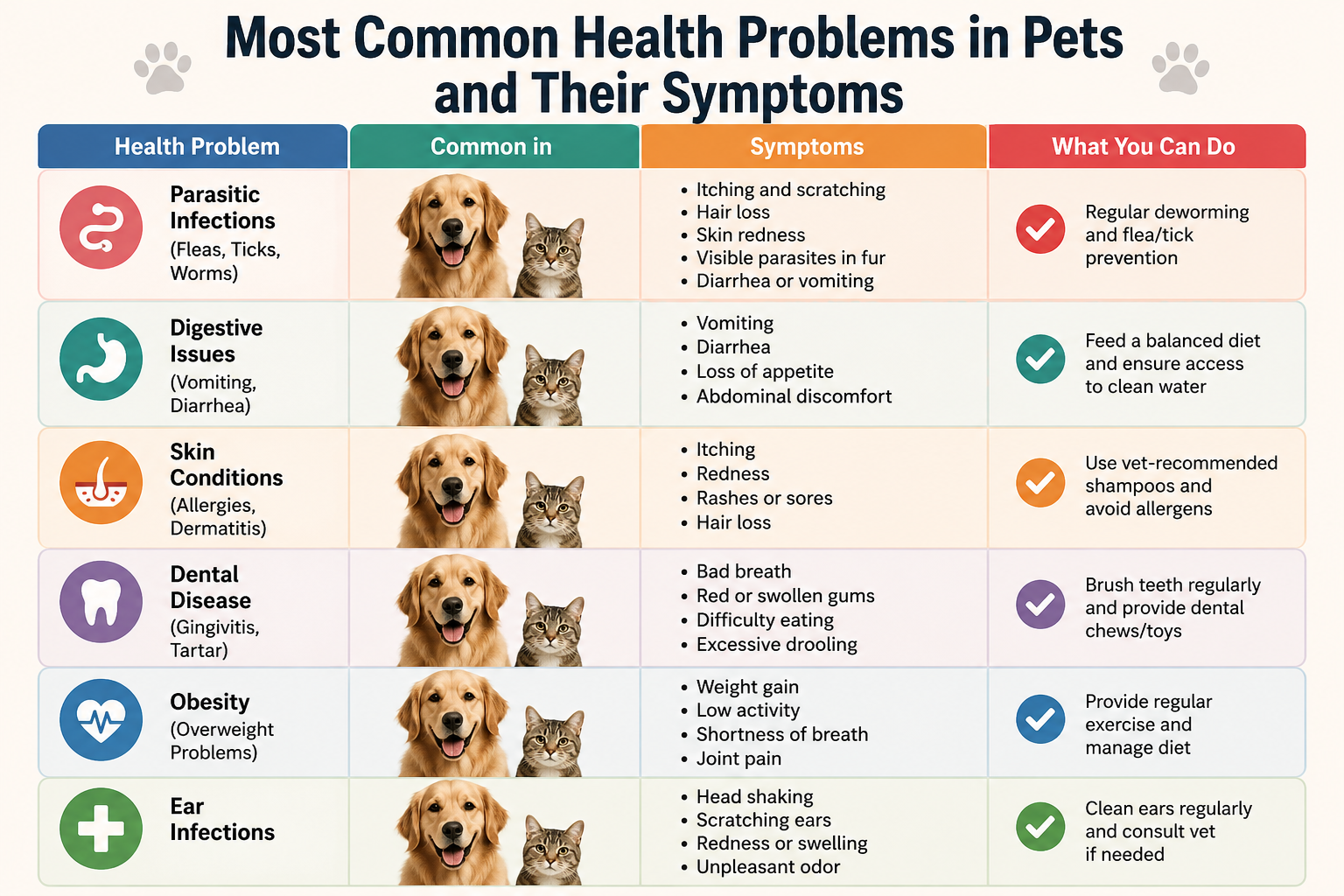
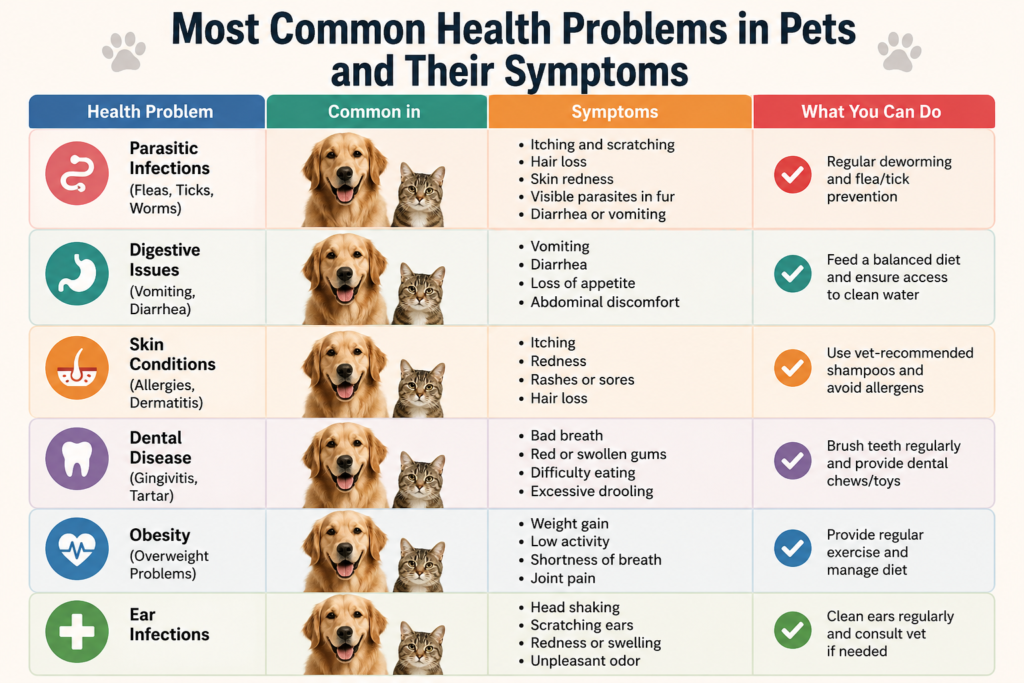
Skin problems are among the most common health issues seen in dogs and cats. Pets can develop skin problems because of allergies, parasites, infections, environmental factors, or poor nutrition. Fleas are a common cause of skin irritation and can make pets scratch or bite their skin frequently.
Common symptoms of skin problems include excessive scratching, licking, redness, hair loss, dry skin, scabs, unusual odors, and small bumps on the skin. Some pets may also develop bald patches or irritated areas because they constantly scratch or lick themselves.
Allergies can also cause ongoing skin irritation. Pets may be allergic to certain foods, pollen, dust, cleaning products, or flea bites. If your pet has repeated skin problems, it is important to consult a veterinarian to identify the possible cause instead of treating the symptoms without professional advice.
Dental Disease
Dental disease is another common pet health problem, especially in adult and older pets. Many pet owners do not realize how important dental care is for their animals. Plaque and tartar can build up on the teeth and eventually lead to gum disease, infections, and tooth loss.
Bad breath is often one of the first signs of dental problems. Other symptoms may include yellow or brown buildup on the teeth, red or swollen gums, difficulty chewing, dropping food, excessive drooling, and reduced interest in eating. Some pets may also become irritated when their mouth or face is touched.
Regular dental care can help protect your pet’s teeth and gums. Pet owners should discuss suitable brushing methods, dental products, and professional cleaning with their veterinarian.
Ear Infections
Ear infections are especially common in dogs, although cats can also develop them. Dogs with floppy ears or allergies may be more likely to experience recurring ear problems. Ear infections can be caused by bacteria, yeast, parasites, allergies, or moisture trapped inside the ear.
A pet with an ear infection may shake its head frequently or scratch one or both ears. Other symptoms include redness, swelling, unpleasant odor, discharge, and sensitivity around the ears. Some pets may tilt their heads or have trouble maintaining balance if an ear problem becomes severe.
Ear infections should not be ignored because untreated infections can become painful and may lead to more serious complications. A veterinarian can determine the cause and recommend the appropriate treatment.
Digestive Problems
Digestive problems are also common among pets. Dogs and cats can experience vomiting, diarrhea, constipation, gas, or loss of appetite for many different reasons. Eating spoiled food, changing food too quickly, swallowing foreign objects, infections, parasites, or certain medical conditions can affect the digestive system.
Occasional mild digestive upset may not always be serious, but repeated or severe symptoms require veterinary attention. Warning signs include frequent vomiting, persistent diarrhea, blood in the stool, severe abdominal discomfort, weakness, dehydration, and refusing food or water.
Pet owners should also pay attention to changes in bathroom habits. A sudden change in stool color, consistency, or frequency can provide useful information about a pet’s health.
Obesity and Weight Problems
Pet obesity has become an increasingly important health concern. Giving pets too many treats, feeding large portions, and providing too little exercise can cause excessive weight gain. Obesity can increase the risk of several other health problems, including joint issues, diabetes, heart problems, and reduced mobility.
Signs that a pet may be overweight include difficulty feeling the ribs, a rounded abdomen, reduced activity, heavy breathing after mild exercise, and difficulty jumping or climbing. However, body shape can vary between breeds, so a veterinarian can help determine whether your pet has a healthy weight.
A balanced diet and regular exercise are important for maintaining a healthy body weight. Portion sizes should be based on the pet’s age, size, activity level, and individual nutritional needs.
Parasites
Internal and external parasites are common pet health problems. Fleas, ticks, mites, roundworms, hookworms, and other parasites can affect pets and sometimes cause serious health problems if they are not treated.
External parasites may cause itching, redness, hair loss, skin irritation, or visible insects on the body. Internal parasites can cause diarrhea, vomiting, weight loss, weakness, bloating, or changes in appetite. In some cases, parasites may be visible in the stool.
Regular parasite prevention is an important part of responsible pet care. Veterinarians can recommend appropriate parasite control based on the pet’s species, age, lifestyle, and local risks.
Respiratory Problems
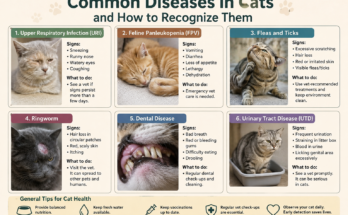
Respiratory problems can affect both cats and dogs. Pets may develop respiratory infections because of viruses, bacteria, allergies, or other underlying conditions. Some respiratory problems are mild, while others can become serious quickly.
Common symptoms include coughing, sneezing, nasal discharge, noisy breathing, rapid breathing, difficulty breathing, and reduced activity. Cats may sometimes hide when they are unwell, so changes in their normal behavior should be taken seriously.
Difficulty breathing is particularly concerning and should receive prompt veterinary attention. Pet owners should never assume that breathing problems will simply disappear on their own.
Urinary Problems
Urinary health problems are common, particularly among cats. Pets can develop urinary infections, bladder stones, inflammation, or other urinary conditions. Male cats can be at particular risk of urinary blockage, which can become an emergency.
Symptoms may include frequent attempts to urinate, urinating outside the litter box, straining while urinating, blood in the urine, crying while using the litter box, or licking the genital area more than usual. Some pets may also drink more water than normal.
Any significant change in urination should be taken seriously. If a pet is unable to urinate, immediate veterinary care is necessary.
Arthritis and Joint Problems
As pets age, they may develop arthritis and other joint problems. Large dogs and pets with previous injuries can also experience mobility issues. Arthritis can cause pain and stiffness, making normal activities more difficult.
Symptoms may include difficulty standing, walking slowly, avoiding stairs, reluctance to jump, stiffness after resting, limping, and reduced interest in playing. Some pets may become less social because movement is uncomfortable.
Maintaining a healthy weight can reduce pressure on the joints. A veterinarian can also recommend appropriate exercise, nutritional support, and other treatments depending on the pet’s condition.
Eye Problems
Eye problems can happen suddenly and should be monitored carefully. Pets may develop eye infections, injuries, allergies, cataracts, or other conditions that affect their vision.
Common symptoms include redness, excessive tearing, squinting, swelling, cloudy eyes, discharge, frequent rubbing of the face, or sensitivity to light. A pet that suddenly bumps into objects or appears unable to see normally may have a vision problem.
Because some eye conditions can worsen quickly, unusual changes in the eyes should be checked by a veterinarian.
Heart Disease
Heart disease can affect pets of different ages, although the risk may increase as they get older. Some animals are also born with heart conditions. Early symptoms can sometimes be difficult to notice.
Possible signs include coughing, tiredness, reduced ability to exercise, rapid breathing, weakness, fainting, and changes in appetite. A swollen abdomen can also occur in some cases.
Regular veterinary examinations are useful because veterinarians can sometimes detect heart problems before obvious symptoms become noticeable.
Diabetes
Diabetes can occur in both dogs and cats. It happens when the body cannot properly regulate blood sugar. Certain pets may have a higher risk because of age, weight, genetics, or other health factors.
Common symptoms include increased thirst, frequent urination, increased hunger, unexplained weight loss, weakness, and changes in energy levels. If these symptoms continue, a veterinarian can perform appropriate tests to determine the cause.
Managing diabetes often requires changes in diet, monitoring, medication, or other veterinary care. Early diagnosis can make the condition easier to manage.
How Pet Owners Can Prevent Health Problems
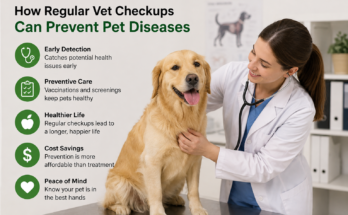
Although not every illness can be prevented, good daily care can reduce many health risks. Pets should receive regular veterinary checkups, appropriate vaccinations, parasite prevention, nutritious food, fresh water, and suitable exercise.
Dental care should also become part of a pet’s routine. Owners should regularly check their pet’s skin, ears, eyes, teeth, coat, appetite, and bathroom habits. These simple checks can help identify changes before they become major problems.
It is also important to know your pet’s normal behavior. If a normally active dog becomes unusually quiet or a social cat suddenly starts hiding, the change may be worth discussing with a veterinarian.
When Should You Contact a Veterinarian?
Pet owners should contact a veterinarian when symptoms are persistent, severe, or unusual for their animal. Difficulty breathing, collapse, seizures, severe bleeding, inability to urinate, repeated vomiting, serious injuries, or extreme weakness require prompt professional attention.
It is better to ask a veterinarian about a concerning symptom than to wait until the condition becomes worse. Animals often hide pain and illness, which means visible symptoms may appear only after a health problem has already developed.
Conclusion
Understanding the most common health problems in pets and their symptoms can help owners provide better care for their animals. Skin conditions, dental disease, ear infections, digestive problems, parasites, obesity, urinary issues, joint problems, respiratory conditions, eye problems, heart disease, and diabetes are among the health concerns pet owners may encounter.
The most important thing is to pay attention to changes in your pet’s normal routine. Early recognition of symptoms can lead to earlier diagnosis and treatment. With regular veterinary care, proper nutrition, exercise, hygiene, and plenty of attention, pet owners can help their companions live healthier and happier lives. A healthy pet is not only more comfortable but also better able to enjoy the love, play, and companionship that make pets such an important part of our lives.