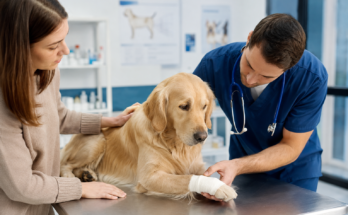
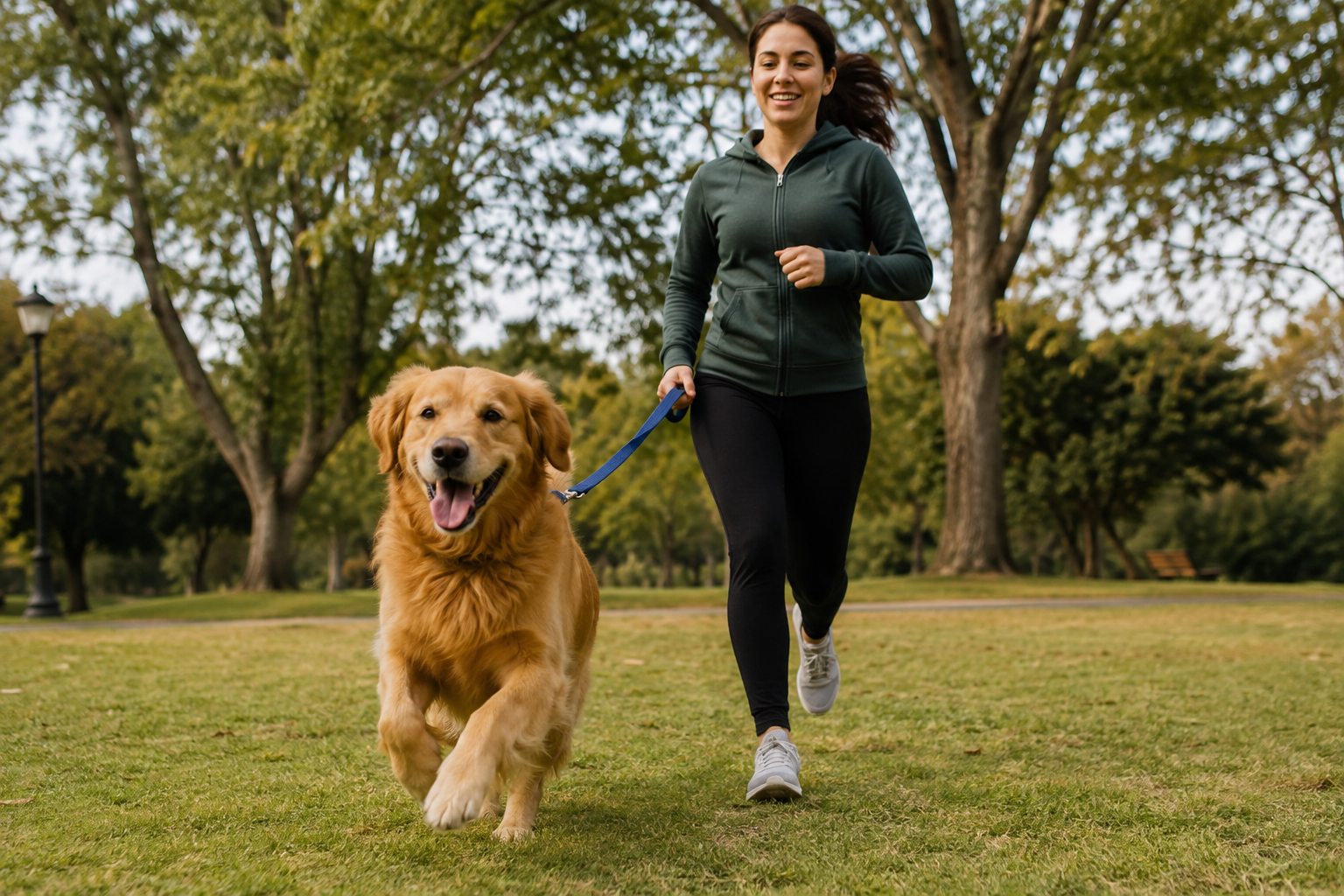
Pets are an important part of our families. Whether you have a playful dog, an active cat, or another companion animal, keeping your pet healthy should always be a priority. One of the easiest and most effective ways to support your pet’s health is through regular exercise. Just like people, pets need physical activity to maintain a healthy body and a balanced mind.
Regular pet exercise can help prevent obesity, improve muscle strength, support healthy joints, and reduce the risk of many health problems. It can also improve your pet’s mood and behavior. When pets do not get enough physical activity, they may become overweight, bored, restless, or even develop unwanted behaviors. Understanding the benefits of exercise can help pet owners create a healthier and happier life for their animals.
Why Exercise Is Important for Pets
Exercise plays an important role in maintaining your pet’s overall health. Animals naturally need movement because their bodies are designed for activities such as walking, running, jumping, playing, and exploring. When pets spend most of their time sitting or lying down without enough activity, their physical health can slowly decline.
Regular exercise helps keep the body active and supports healthy circulation. It also helps pets maintain strong muscles and flexible joints. For dogs, daily walks and play sessions can provide excellent physical activity. Cats can benefit from interactive toys, climbing areas, chasing games, and other activities that encourage natural movement.
The amount of exercise a pet needs depends on several factors, including age, breed, size, health, and personality. A young and energetic dog may need much more activity than an older dog. Similarly, some cat breeds are naturally more active than others. Pet owners should choose activities that match their animal’s individual needs.
Exercise Helps Prevent Pet Obesity
One of the biggest health problems affecting pets is obesity. Giving pets too much food while providing too little physical activity can cause unhealthy weight gain. Pet obesity can increase the risk of several serious conditions and can reduce an animal’s quality of life.
Regular exercise helps pets burn calories and maintain a healthy body weight. Walking, running, playing, and other physical activities can increase energy use throughout the day. Exercise becomes even more important when a pet has a tendency to gain weight easily.
Keeping your pet at a healthy weight can also reduce pressure on the joints. Overweight pets may experience difficulty moving because extra body weight puts additional stress on their bones and muscles. A proper diet combined with regular exercise can help support healthy weight management.
Exercise Supports Strong Muscles and Bones
Physical activity is essential for maintaining strong muscles and healthy bones. When pets regularly move their bodies, their muscles receive the activity they need to remain strong. Strong muscles can also provide better support for joints and help pets move comfortably.
Exercise is especially important for growing animals because healthy movement supports proper physical development. However, young pets should not be pushed into excessive or intense exercise because their bodies are still developing.
Adult pets can usually enjoy a variety of activities based on their energy levels and physical condition. Simple activities such as walking, playing fetch, climbing, or chasing toys can help keep muscles active. For older pets, gentle activities may be more suitable.
Exercise Improves Joint Health
Healthy joints are important for your pet’s ability to walk, run, jump, and play. Regular moderate exercise can help maintain joint flexibility and mobility. When pets remain inactive for long periods, they may become stiff and less willing to move.
Gentle and consistent movement can be especially helpful for older pets. Activities such as short walks and slow play sessions can encourage movement without putting unnecessary stress on the body.
Pet owners should always pay attention to signs of discomfort. If a pet starts limping, avoids stairs, struggles to stand, or suddenly becomes less active, it may be time to speak with a veterinarian. Changes in movement should not simply be blamed on age.
Exercise Supports Heart and Respiratory Health
Another important benefit of regular pet exercise is better cardiovascular fitness. Physical activity encourages the heart to work efficiently and supports healthy blood circulation. Active pets may have better stamina and energy compared with animals that rarely move.
Exercise also encourages healthy breathing and can support the function of the respiratory system. Activities should always be appropriate for the pet’s age and physical condition. Pets that are not used to exercise should gradually increase their activity instead of suddenly engaging in intense workouts.
During hot weather, pet owners should take extra care. Exercise during very hot parts of the day can increase the risk of overheating, especially in dogs with certain body shapes or thick coats. Providing fresh water and choosing cooler times for activity can help protect pets.
Exercise Can Improve Your Pet’s Mental Health
Physical activity is not only about the body. Exercise can also have a positive effect on your pet’s mental health. Pets need stimulation, exploration, and opportunities to use their natural instincts.
Dogs often enjoy exploring new places during walks because they can smell different scents and experience new surroundings. Cats may enjoy chasing toys, climbing, and hunting style games. These activities can provide mental stimulation while also encouraging physical movement.
A pet that does not receive enough mental and physical stimulation may become bored. Boredom can sometimes lead to behaviors such as excessive barking, scratching, chewing furniture, or other destructive activities. Providing regular exercise can help reduce boredom and give pets a healthy way to use their energy.
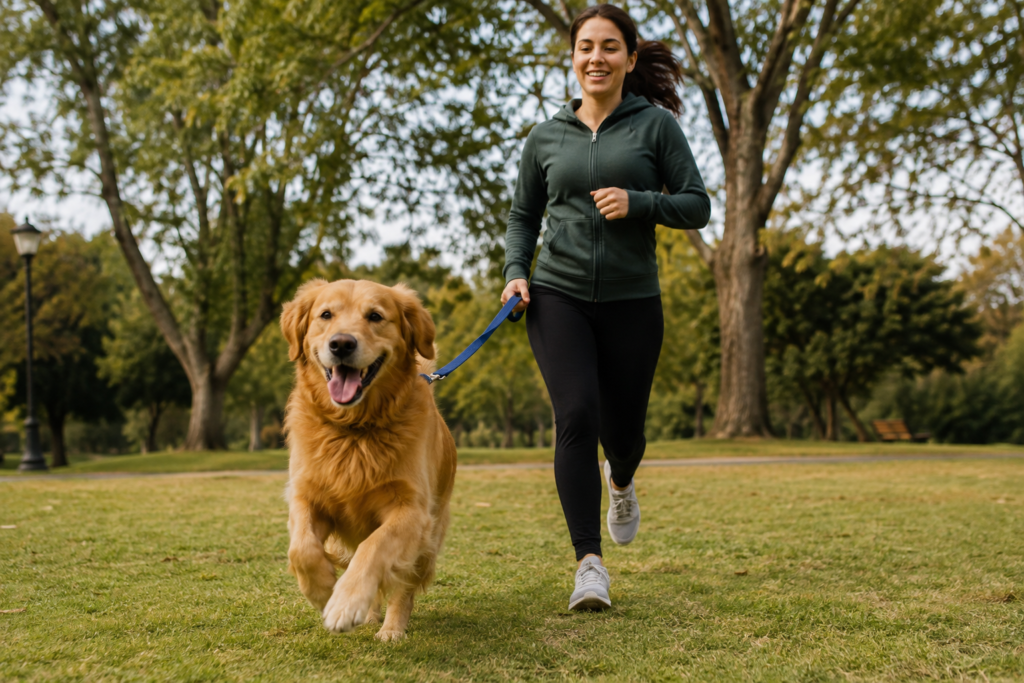
Exercise Can Improve Pet Behavior
Many unwanted pet behaviors are connected to boredom, excess energy, or a lack of stimulation. This does not mean exercise will solve every behavioral problem, but regular activity can make a significant difference.
A dog with plenty of healthy physical activity may be calmer at home. After a satisfying walk or play session, the dog may be more comfortable resting and relaxing. Cats can also benefit from play sessions that allow them to chase, jump, and explore.
Exercise can also strengthen the relationship between pets and their owners. Playing together and going for walks create opportunities for positive interaction. This can help build trust and improve communication between the animal and the person caring for it.
Exercise Provides Important Social Benefits
Exercise can also provide opportunities for socialization. Dogs often meet other people and animals during walks or outdoor activities. These experiences can help them become more comfortable with different environments and situations when introduced in a safe and controlled way.
Social interaction should always match the individual pet’s personality. Some animals enjoy meeting other pets, while others may feel uncomfortable in crowded environments. Pet owners should avoid forcing interactions and should focus on creating positive experiences.
For indoor cats, social benefits can come from interactive play with their owners. Spending regular time together can provide attention and mental stimulation.
Different Ways to Exercise Your Pet
There are many ways to provide exercise for pets. Dogs can benefit from daily walks, games of fetch, swimming when appropriate, supervised outdoor play, and simple training activities that involve movement.
Cats may enjoy toys that encourage chasing and jumping. Interactive wand toys, balls, climbing structures, and safe indoor play areas can help cats stay active. Even short play sessions throughout the day can make a difference.
Pet owners should remember that exercise does not always need to be complicated. A few active play sessions can be useful when they are performed consistently. The goal is to create a routine that the pet enjoys and can safely follow.
How Much Exercise Does a Pet Need?
There is no single exercise routine that works for every pet. A dog’s exercise needs may depend on breed, age, size, health, and energy level. Some active breeds may require longer periods of activity, while smaller or older dogs may be comfortable with shorter walks.
Cats often prefer several short periods of activity rather than one long workout. Young cats and kittens may have lots of energy and enjoy frequent play sessions.
Older pets or animals with health concerns may need modified exercise routines. Before starting a new exercise program for a pet with health problems, it is best to discuss the appropriate level of activity with a veterinarian.
Tips for Making Exercise a Daily Habit
Making exercise part of your pet’s daily routine can be easier when it becomes a regular habit. Try to choose activities that your pet enjoys. If your dog loves walking, make daily walks part of the schedule. If your cat enjoys chasing toys, provide regular interactive play sessions.
Start slowly if your pet has been inactive for a long time. Gradually increase the duration and intensity as your pet becomes more comfortable. Always provide access to clean drinking water, especially after active play.
Watch your pet during exercise and look for signs of tiredness, pain, breathing difficulty, or overheating. Exercise should be enjoyable and healthy rather than exhausting or stressful.
Conclusion
Regular exercise is one of the best ways to support your pet’s overall health and well being. It can help maintain a healthy weight, strengthen muscles and bones, support joint health, improve heart fitness, and provide valuable mental stimulation. Exercise can also reduce boredom, encourage better behavior, and strengthen the bond between pets and their owners.
Every pet has different needs, so the right exercise routine should be based on age, breed, health, size, and energy level. The most important thing is consistency. Even simple daily activities can provide meaningful health benefits when they become part of your pet’s routine.
By making regular physical activity a normal part of your pet’s life, you can help your companion stay active, comfortable, mentally stimulated, and happy. A healthy pet is more likely to enjoy everyday life, and regular exercise is an important part of giving your pet the healthy lifestyle they deserve.