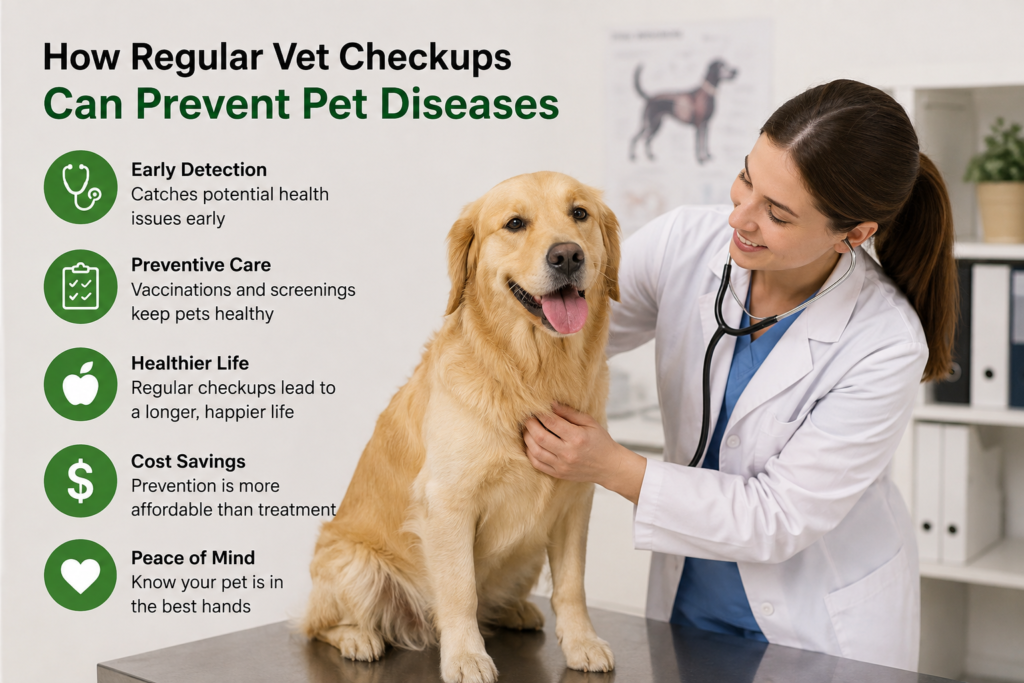
Pets are an important part of our families. Whether you have a playful dog, a curious cat, or another beloved animal, keeping your pet healthy should always be a priority. Many pet owners only visit a veterinarian when their pet becomes sick or starts showing unusual symptoms. However, waiting for visible signs of illness can sometimes allow a health problem to become more serious. Regular vet checkups can help detect diseases early, prevent common health problems, and give pets a better chance of living a long and healthy life.
A regular veterinary checkup is not only about treating an existing illness. It is also an important part of preventive pet care. During these visits, a veterinarian can examine your pet from head to tail, identify possible health risks, update vaccinations, check dental health, and provide advice about nutrition and daily care. Understanding the importance of regular vet checkups can help every pet owner make better decisions about their animal’s health.
Why Regular Vet Checkups Are Important for Pets
Pets cannot tell us when something hurts or when they are feeling unwell. They may continue eating, playing, and behaving normally even when a health problem is developing inside their body. Some pet diseases can progress quietly for weeks or months before obvious symptoms appear. By the time an owner notices a problem, the condition may already require more complicated treatment.
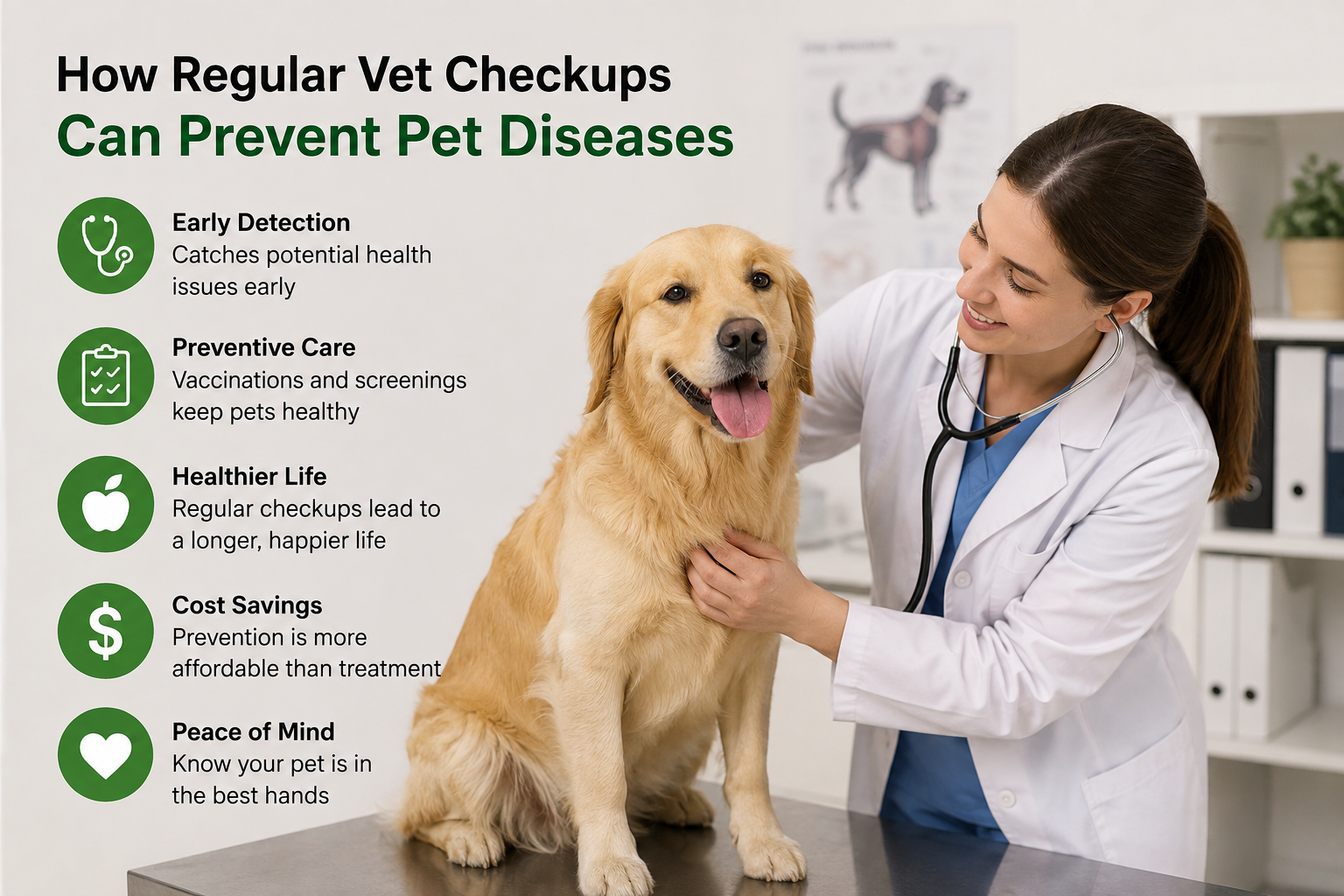
Regular vet checkups allow veterinarians to look for early warning signs that may not be noticeable at home. A professional examination can identify changes in weight, heart rate, breathing, skin condition, teeth, eyes, ears, and overall behavior. Early detection often makes treatment easier and may reduce the risk of serious complications.
Preventive veterinary care can also help pet owners understand what their animals need at different stages of life. Puppies, kittens, adult pets, and senior animals have different health requirements. Regular visits allow the veterinarian to create a care plan that matches the pet’s age, breed, lifestyle, and individual needs.
Early Detection of Pet Diseases
One of the biggest benefits of regular vet checkups is early disease detection. Many common pet diseases do not show clear symptoms during their early stages. A veterinarian may notice small changes during a physical examination that an owner could easily miss.
For example, kidney disease can develop gradually, especially in older cats and dogs. Diabetes, heart problems, liver disease, and certain infections can also remain unnoticed until they become more advanced. Routine examinations and recommended laboratory tests can help identify these conditions earlier.
Early detection is important because treatment is often more effective when a disease is discovered at an early stage. It can also help reduce discomfort and improve a pet’s quality of life. In some cases, early treatment can prevent a manageable condition from becoming a serious health emergency.
Vaccinations Help Prevent Serious Infections
Vaccination is another important part of preventive pet care. Many infectious diseases can cause severe illness in animals, but appropriate vaccines can significantly reduce the risk. During regular vet visits, the veterinarian can review your pet’s vaccination history and recommend vaccines based on age, lifestyle, location, and exposure risk.
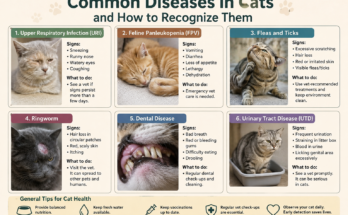
Dogs may need protection against diseases such as parvovirus, distemper, and rabies. Cats may require vaccines that protect them against serious infections such as feline panleukopenia and other common illnesses. The exact vaccination schedule can vary, so it is important to follow advice from a qualified veterinarian.
Keeping vaccinations up to date protects not only individual pets but also helps reduce the spread of infectious diseases among animals. Regular veterinary appointments make it easier for owners to stay on top of vaccination schedules.
Parasite Prevention Protects Pet Health
Parasites are another common cause of health problems in pets. Fleas, ticks, intestinal worms, and other parasites can cause discomfort and may sometimes lead to serious disease. Pets that spend time outdoors can be exposed to parasites through grass, soil, other animals, or contaminated environments.
During a vet checkup, the veterinarian can assess your pet’s risk of parasite exposure and recommend suitable preventive treatment. Regular parasite prevention can protect pets from problems such as skin irritation, anemia, intestinal infections, and diseases transmitted by ticks.
Pet owners should not assume that parasites are only a problem during certain seasons. Depending on the local environment and the pet’s lifestyle, parasite risks may exist throughout the year. A veterinarian can help determine the most appropriate prevention plan.
Dental Health Should Not Be Ignored
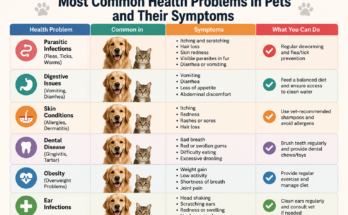
Dental disease is one of the health problems that many pet owners overlook. Dogs and cats can develop plaque, tartar, gum inflammation, infections, and painful dental conditions. Unfortunately, pets often hide signs of dental pain, which means a problem can continue without being noticed.
During regular vet checkups, a veterinarian can examine the mouth and teeth for signs of dental disease. If necessary, professional dental cleaning or other treatment may be recommended. Pet owners can also receive advice about brushing their pet’s teeth and choosing suitable dental care products.
Maintaining good oral health is important because dental problems can affect more than the mouth. Severe dental disease can cause pain and may contribute to other health complications. Regular veterinary examinations can help identify dental issues before they become advanced.
Weight and Nutrition Monitoring
A healthy weight plays an important role in preventing pet diseases. Both obesity and being underweight can indicate or contribute to health problems. Overweight pets have a higher risk of developing conditions such as joint problems, diabetes, heart issues, and reduced mobility.
During a routine checkup, the veterinarian can assess your pet’s body condition and weight. If your pet needs to lose or gain weight, the veterinarian can recommend changes to food portions, diet, treats, and exercise.
Nutrition requirements can also change as pets grow older. A young animal may need a diet designed for growth, while an adult or senior pet may require different nutritional support. Regular vet checkups provide an opportunity to review your pet’s diet and make appropriate adjustments.
Regular Checkups Support Senior Pet Health
Older pets often need more frequent health monitoring because the risk of certain diseases increases with age. Senior dogs and cats may develop arthritis, kidney problems, dental disease, vision changes, heart conditions, or other age related health issues.
Regular veterinary examinations can help identify these problems early. A veterinarian may recommend blood tests, urine tests, imaging, or other diagnostic procedures depending on the pet’s age and health history.
Senior pets may also require changes in diet, exercise, medication, and daily routines. Regular checkups allow owners to discuss these changes with a professional and make sure their older pets remain as comfortable and active as possible.
Behavioral Changes Can Reveal Health Problems
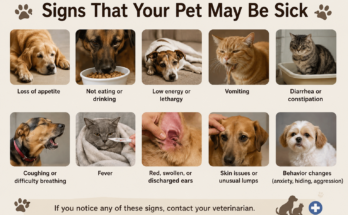
Changes in behavior should never be ignored. A pet that suddenly becomes aggressive, withdrawn, unusually tired, restless, or less interested in normal activities may be experiencing a health problem. Changes in sleeping habits, appetite, drinking, or bathroom behavior can also provide important clues.
During a regular vet visit, owners can discuss behavioral changes with the veterinarian. Sometimes a behavior that appears to be a training issue may actually be caused by pain, illness, anxiety, or another medical condition.
By sharing even small changes with the veterinarian, pet owners can help professionals identify possible problems sooner. Keeping notes about changes in eating, drinking, activity, and behavior can be useful during appointments.
Regular Vet Visits Can Save Money Over Time
Some pet owners avoid regular veterinary appointments because they are concerned about the cost. However, preventive pet care can sometimes reduce long term expenses by identifying problems before they become severe.
Treating an advanced disease can require more tests, medications, procedures, hospitalization, or long term care. Early diagnosis may provide more treatment options and potentially reduce the seriousness of the condition.
Regular checkups should therefore be viewed as an investment in a pet’s health rather than simply an expense. A healthy pet is also more likely to enjoy a better quality of life, which is one of the most valuable benefits of responsible pet ownership.
How Often Should Pets Visit the Veterinarian?
The ideal frequency of vet visits depends on the pet’s age, health, lifestyle, and individual risk factors. Young pets often need several appointments during their early development because of vaccinations, growth monitoring, parasite prevention, and other important care.
Healthy adult pets generally benefit from routine annual examinations, although some animals may need more frequent visits. Senior pets or animals with ongoing medical conditions may require checkups more often.
The veterinarian is the best person to recommend an appropriate schedule. Following that schedule can help ensure that important preventive care is not missed.
What Pet Owners Can Do Between Checkups
Regular veterinary care is important, but daily observation at home is equally valuable. Pet owners should pay attention to changes in appetite, water consumption, weight, energy levels, breathing, skin, coat, eyes, ears, teeth, and bathroom habits.
Providing a balanced diet, clean water, regular exercise, proper grooming, parasite prevention, vaccinations, and a safe living environment can further support good health.
If something seems unusual, do not wait until the next routine appointment to mention it. Contact your veterinarian and explain what you have noticed. Prompt professional advice can be especially important when symptoms appear suddenly or become severe.
Conclusion
Regular vet checkups are one of the most effective ways to support your pet’s health and prevent serious diseases. These visits allow veterinarians to detect health problems early, maintain vaccinations, control parasites, monitor dental health, evaluate weight and nutrition, and provide special care as pets grow older.
Pet owners should remember that prevention is often better than waiting for an illness to develop. A pet may appear perfectly healthy while a hidden condition is slowly progressing. Routine veterinary examinations give your pet the best opportunity for early diagnosis and appropriate treatment.
Taking your pet to the veterinarian regularly is an important responsibility of pet ownership. With preventive care, healthy nutrition, exercise, proper observation, and professional veterinary guidance, you can help your pet stay healthier, happier, and more active for years to come.