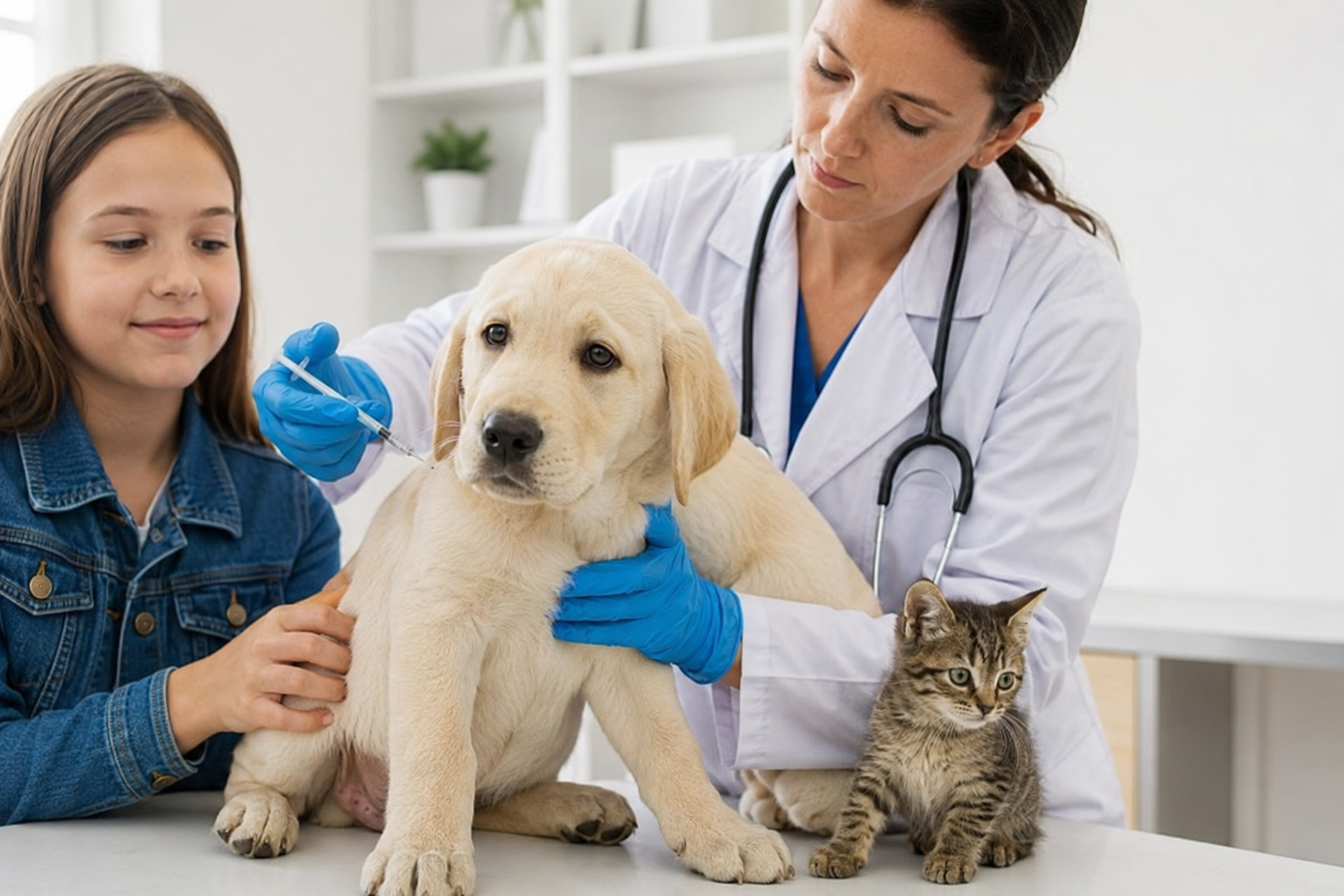
Vaccinations are one of the most important parts of responsible pet care. Dogs and cats can be exposed to many infectious diseases throughout their lives, and some of these illnesses can become serious or even life threatening. Regular vaccinations help strengthen a pet’s immune system and prepare the body to fight harmful viruses and bacteria. Whether you have a young puppy, a kitten, or an adult pet, keeping vaccinations up to date can protect your animal from preventable diseases and support a healthier life.
Many pet owners think that vaccinations are only necessary when a pet is young. While puppies and kittens do need several important vaccines during their early months, adult dogs and cats also require regular booster vaccinations. The exact vaccination schedule depends on the animal’s age, health, lifestyle, location, and risk of exposure. Working with a veterinarian is the best way to create a vaccination plan that meets your pet’s individual needs.
What Are Pet Vaccinations?
Pet vaccinations are specially designed treatments that help an animal’s immune system recognize and fight certain diseases. A vaccine introduces the immune system to a safe form or part of a disease causing organism. This allows the body to develop an immune response without causing the full disease in most cases.
After vaccination, the immune system remembers the specific threat. If the pet is exposed to the actual disease later, its immune system can respond more quickly and effectively. Vaccines do not guarantee that a pet will never become sick, but they can significantly reduce the risk of severe illness and complications from many infectious diseases.
Vaccination is especially important because pets cannot always avoid contact with harmful organisms. Dogs may encounter contaminated surfaces, infected animals, insects, or bodily fluids during walks and outdoor activities. Cats can also be exposed to infections through contact with other cats, shared environments, or contaminated objects.
Why Vaccinations Are Important for Dogs
Dogs can be vulnerable to several serious infectious diseases. Some illnesses spread very easily between dogs and can cause severe symptoms. Canine parvovirus, canine distemper, and infectious canine hepatitis are examples of diseases that can pose major health risks.
Canine parvovirus is particularly dangerous for puppies. It can cause severe vomiting, diarrhea, dehydration, weakness, and loss of appetite. In serious cases, the disease can be fatal without prompt veterinary treatment. Vaccination is one of the most effective ways to protect dogs from this dangerous infection.
Canine distemper is another serious disease that can affect dogs. It can cause respiratory problems, digestive issues, fever, and neurological symptoms. The disease can spread through respiratory secretions and close contact with infected animals. Vaccination helps reduce the risk and is an important part of preventive care.
Rabies vaccination is also extremely important for dogs. Rabies is a serious viral disease that affects the nervous system and is almost always fatal once clinical signs appear. It can also infect people. Because of this, rabies vaccination is required by law in many areas. Pet owners should follow local regulations and their veterinarian’s recommendations regarding rabies vaccination.
Why Vaccinations Are Important for Cats
Cats also need protection from several infectious diseases. Common cat vaccinations help protect against illnesses such as feline panleukopenia, feline herpesvirus, and feline calicivirus. These diseases can cause significant health problems, particularly in kittens and cats with weakened immune systems.
Feline panleukopenia is a highly contagious viral disease that can cause vomiting, diarrhea, dehydration, fever, and severe weakness. Young kittens are especially vulnerable. Because the virus can survive in the environment for long periods, preventing exposure can be difficult. Vaccination provides an important layer of protection.
Feline herpesvirus and feline calicivirus are common causes of respiratory disease in cats. Infected cats may develop sneezing, nasal discharge, watery eyes, mouth sores, reduced appetite, and breathing problems. Some cats can continue carrying certain viruses after the initial infection. Vaccination can help reduce the severity of illness and support better overall health.
Rabies vaccination is important for cats as well. Even indoor cats may sometimes escape outdoors or come into contact with wildlife. Vaccinating cats against rabies can help protect both the animal and the people around it.
Vaccinations Protect Young Pets
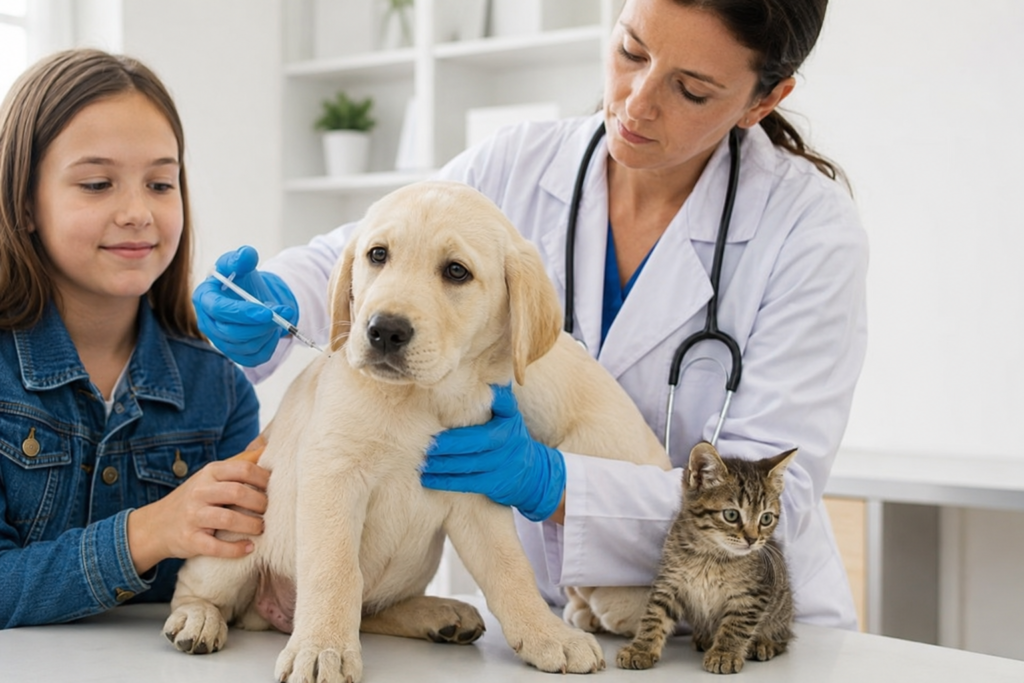
Puppies and kittens have developing immune systems, which can make them more vulnerable to infectious diseases. They also receive antibodies from their mothers during the early stages of life. However, maternal antibodies gradually decrease, leaving young animals increasingly dependent on their own immune systems.
For this reason, puppies and kittens usually receive a series of vaccinations rather than one single vaccine. These vaccinations are given at specific ages to provide protection as the young animal’s immune system develops.
Following the recommended vaccination schedule is important. Missing appointments or delaying vaccines can leave a young pet vulnerable during a period when it may be particularly susceptible to infection. Pet owners should discuss the appropriate schedule with a veterinarian instead of relying on a general schedule found online.
Vaccinations Help Prevent Serious Disease
One of the biggest benefits of pet vaccinations is disease prevention. Treating an infectious disease can be expensive, stressful, and sometimes unsuccessful. A vaccinated pet has a better chance of avoiding severe illness from diseases that can otherwise cause serious complications.
Preventive care is usually easier than dealing with a major health crisis. Vaccinations are part of a larger approach to pet wellness that also includes proper nutrition, parasite prevention, regular veterinary examinations, dental care, exercise, and a safe living environment.
Vaccines can be especially valuable for pets that spend time around other animals. Dogs that visit parks, boarding facilities, grooming salons, training classes, or dog daycare may have more opportunities to encounter infectious diseases. Cats that live in multi cat households, shelters, or breeding environments may also face increased exposure.
Vaccination Can Protect Other Animals
Vaccinating your pet does more than protect one animal. It can also help reduce the spread of infectious diseases within the wider pet community. When more animals are properly vaccinated, contagious diseases have fewer opportunities to spread.
This is particularly important for puppies, kittens, elderly animals, and pets with certain health problems that may be more vulnerable to infection. Responsible vaccination can therefore contribute to a healthier environment for many animals.
Some infectious diseases can spread rapidly in places where many animals live or gather. Keeping pets vaccinated can help reduce the risk of outbreaks and protect animals that may not be able to receive certain vaccines because of individual medical circumstances.
Are Vaccinations Safe for Dogs and Cats?
Vaccines used in veterinary medicine are generally considered safe when administered appropriately. Like any medical treatment, vaccinations can sometimes cause mild side effects. A pet may experience temporary tiredness, mild soreness at the injection site, or a slight decrease in appetite after vaccination.
Serious reactions are uncommon, but they can happen. Pet owners should observe their animals after vaccination and contact a veterinarian if they notice unusual or severe symptoms. A veterinarian can also review the pet’s medical history and determine which vaccines are appropriate.
It is important not to avoid vaccination because of concerns based on isolated experiences or misinformation. The benefits of protecting pets against serious infectious diseases generally outweigh the risks associated with vaccination for most animals. However, vaccination decisions should always be made with professional veterinary guidance.
Do Indoor Pets Need Vaccinations?
Some pet owners believe indoor cats or dogs with limited outdoor activity do not need vaccines. This is not always true. Indoor pets can still be exposed to infectious diseases through visitors, other animals, contaminated objects, veterinary clinics, or accidental escapes.
Cats that live indoors may occasionally get outside through an open door or window. Dogs may come into contact with other animals during veterinary visits or short outdoor trips. Because exposure cannot always be predicted, keeping vaccinations current can provide valuable protection.
The vaccination needs of an indoor pet may differ from those of an animal that spends a lot of time outdoors. A veterinarian can assess the lifestyle of the pet and recommend an appropriate vaccination plan.
How Often Should Dogs and Cats Be Vaccinated?
There is no single vaccination schedule that works for every dog or cat. Puppies and kittens usually receive a series of initial vaccines followed by booster doses. Adult pets may need boosters at different intervals depending on the vaccine, local regulations, health status, and individual risk factors.
Pet owners should keep accurate vaccination records and discuss upcoming vaccines with their veterinarian. Some vaccines may be recommended more frequently than others. Local disease risks can also influence which vaccinations are appropriate.
Avoid giving your pet vaccines without professional guidance. A veterinarian can determine the correct products, timing, dosage, and combination based on the animal’s age and health.
Vaccinations Are an Important Part of Responsible Pet Ownership
Taking care of a dog or cat involves more than providing food and shelter. Responsible pet ownership means taking steps to prevent avoidable diseases and giving pets the medical care they need throughout their lives. Vaccination is one of the simplest and most effective preventive measures available to pet owners.
Regular veterinary visits also provide an opportunity to identify other health problems early. During a wellness examination, a veterinarian can evaluate the pet’s weight, teeth, skin, coat, heart, and general condition while reviewing vaccination needs.
Keeping vaccinations up to date can give pet owners greater peace of mind. More importantly, it can give dogs and cats better protection against diseases that may otherwise threaten their health.
Final Thoughts
Vaccinations are an essential part of maintaining the health and wellbeing of dogs and cats. They help prepare the immune system to fight serious infectious diseases and can reduce the risk of severe illness and complications. Vaccines can also help limit the spread of contagious diseases among pets and, in the case of diseases such as rabies, provide important protection for people as well.
Every pet has different needs, so vaccination schedules should be based on age, lifestyle, health, exposure risk, and veterinary advice. Whether you have an active outdoor dog, an indoor cat, a young kitten, or an adult companion, regular veterinary care and appropriate vaccinations can play an important role in keeping your pet healthy.
For pet owners who want to provide the best possible care, staying informed about vaccinations is a simple but meaningful step. A properly vaccinated pet has a stronger defense against many preventable diseases and a better opportunity to enjoy a long, active, and healthy life.