Keeping your home clean is one of the most important things you can do to protect your pets from diseases. Dogs and cats spend a lot of time inside the house, so their health can be affected by the cleanliness of their living environment. Dirt, bacteria, parasites, pet waste, dirty food bowls, and unclean sleeping areas can create conditions where harmful germs can grow and spread.
A clean home does not only make your house look better. It also helps reduce the risk of infections, skin problems, stomach illnesses, parasites, and other common pet health problems. Good cleaning habits can make your pet more comfortable and can also protect the health of people living in the home. In this article, we will discuss simple and practical ways to keep your home clean and prevent pet diseases.
Why Home Cleanliness Is Important for Pet Health
Pets can come into contact with many germs during their daily activities. They may walk outside, play in the garden, use litter boxes, eat from bowls, or come into contact with other animals. When they return home, they can bring dirt, bacteria, parasites, and other harmful organisms with them.
Pet hair and skin flakes can also collect on furniture, carpets, beds, and floors. If these areas are not cleaned regularly, they can become a suitable place for bacteria and parasites to remain. Some pets may also develop allergies or skin irritation because of dust and dirty surroundings.
Regular home cleaning helps remove these harmful substances before they have a chance to cause problems. A clean environment supports better pet hygiene and can reduce the chances of your dog or cat becoming sick.
Clean Pet Bedding Regularly
Pet bedding is one of the most important areas to clean. Dogs and cats spend many hours sleeping and resting on their beds. During this time, hair, dirt, saliva, skin flakes, and other particles can build up.
Dirty bedding can attract fleas and other parasites. It can also contain bacteria and unpleasant odors. Washing pet bedding regularly can help keep your pet’s sleeping area fresh and hygienic.
Use pet safe laundry products and wash bedding according to the manufacturer’s instructions. Make sure the bedding is completely dry before your pet uses it again. If your pet has a skin infection or parasite problem, bedding may need to be cleaned more frequently.
Keep Floors Clean
Pets spend a lot of time walking and lying on floors. Dogs can bring dirt from outside on their paws, while cats can spread litter around the house. Food particles, hair, and other debris can also collect on the floor.
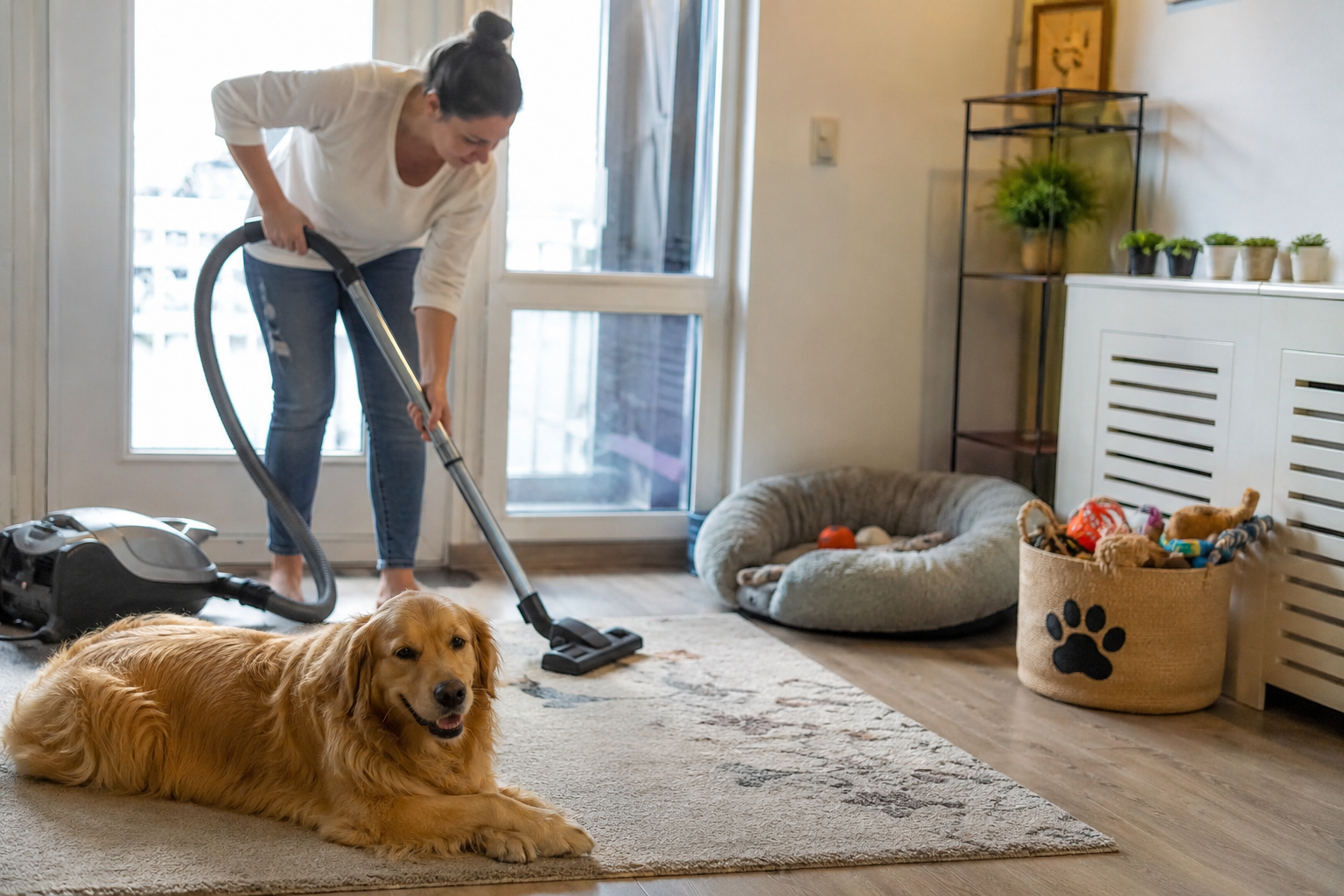
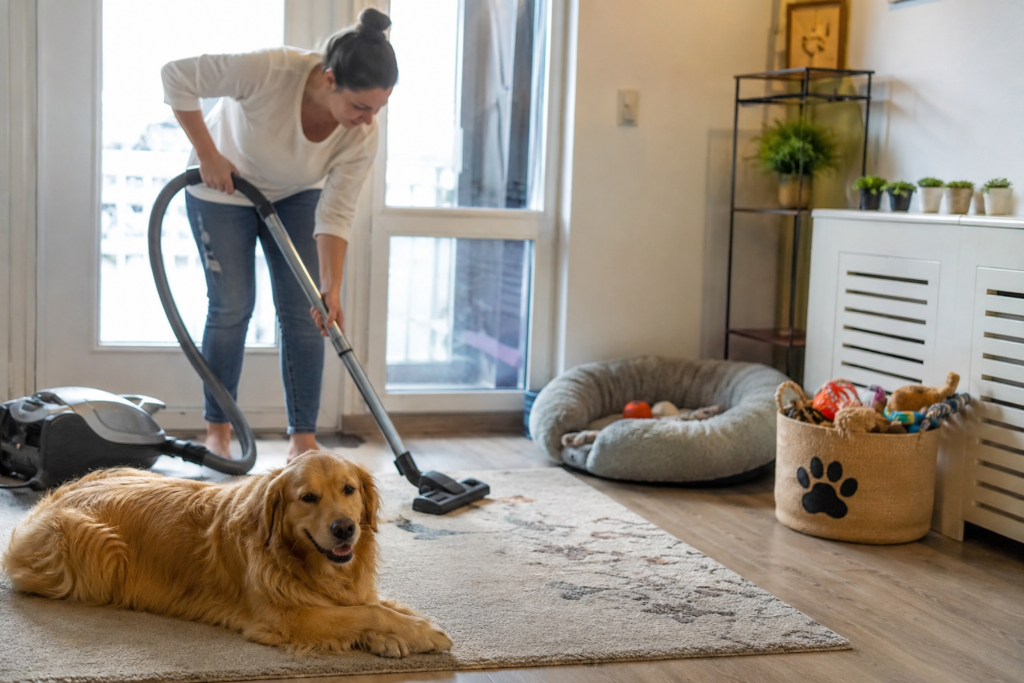
Vacuuming regularly is a simple way to remove pet hair, dust, and dirt. Pay special attention to areas where your pet sleeps and spends most of its time. Hard floors should also be cleaned regularly using a pet safe cleaning product.
Avoid using strong chemicals around pets unless they are specifically safe for animals. Some cleaning products can irritate a pet’s skin, eyes, nose, or lungs. Always follow product instructions and keep pets away from wet cleaning areas until the surfaces are dry.
Clean Food and Water Bowls
Food and water bowls can become dirty very quickly. Leftover food can attract bacteria and insects, while water bowls can develop a slippery layer of bacteria if they are not cleaned regularly.
Wash your pet’s food and water bowls every day. Use warm water and a suitable dish soap, then rinse them properly. Fresh drinking water should also be provided every day.
If you have more than one pet, keeping their bowls clean is especially important. Sharing dirty bowls can increase the spread of germs between animals. Clean bowls are a simple but effective part of good pet hygiene.
Maintain a Clean Litter Box
For cat owners, litter box hygiene is extremely important. A dirty litter box can produce strong odors and create an unhealthy environment for cats. It can also encourage the growth and spread of harmful microorganisms.
Remove waste from the litter box regularly and replace litter as needed. The entire litter box should be washed periodically with a mild and pet safe cleaning product.
Place the litter box in a quiet and easy to access area. Keep it away from food and water bowls. If you have several cats, providing enough litter boxes can help maintain better hygiene and reduce stress.
Clean Up Pet Waste Quickly
Pet waste should never be left lying around the home or yard for long periods. Dog and cat feces can contain parasites, bacteria, and other organisms that may cause disease.
Clean up pet waste as soon as possible. Wear disposable gloves when necessary and wash your hands thoroughly afterward. Outdoor areas where pets regularly use the bathroom should also be cleaned when possible.
Quick waste removal is especially important in homes with children because children may touch contaminated surfaces and then put their hands near their mouths.
Groom Your Pet Regularly
Keeping your home clean also starts with keeping your pet clean. Regular grooming can reduce the amount of loose hair, dirt, and skin flakes that enter your home.
Brush your dog or cat regularly according to its coat type. Bathing should be done when necessary and with products made specifically for pets. Human shampoos may not be suitable for animals because their skin has a different pH balance.
During grooming, check your pet’s skin and coat for fleas, ticks, unusual bumps, redness, wounds, or other changes. Finding problems early can help prevent them from becoming more serious.
Wash Pet Toys
Pet toys are often forgotten during regular cleaning. Dogs and cats frequently chew, lick, and carry their toys around the house. As a result, toys can collect saliva, dirt, hair, and bacteria.
Wash washable toys regularly using pet safe cleaning methods. Hard toys can usually be cleaned with warm water and mild soap, depending on the manufacturer’s instructions.
Inspect toys for damage as well. Broken toys can become a health or choking risk. Replace toys that are badly damaged or difficult to clean.
Keep Your Pet’s Eating Area Clean
The area around your pet’s food bowls should also be cleaned regularly. Food crumbs can attract insects and bacteria. Wet food can spoil quickly if it is left at room temperature for too long.
Remove leftover food after meals and clean the surrounding floor. If you feed your pet wet food, wash the bowl after every meal when possible.
Store pet food in a clean, dry, and properly sealed container. This helps protect food from moisture, insects, and contamination.
Control Fleas and Ticks
Fleas and ticks can enter your home through pets. Once inside, fleas can spread through carpets, furniture, bedding, and other areas. They can cause itching, skin irritation, and other health problems.
Regular vacuuming can help remove flea eggs and other particles from carpets and furniture. Wash pet bedding frequently and follow your veterinarian’s recommendations for appropriate flea and tick prevention.
If you notice repeated scratching, hair loss, skin irritation, or visible parasites, contact a veterinarian. Treating the pet and cleaning the home at the same time may be necessary when there is an infestation.
Improve Ventilation
Good ventilation is another important part of a healthy home. Fresh air can help reduce unpleasant odors and improve indoor air quality. Poor ventilation can allow dust, moisture, and other irritants to build up.
Open windows when weather conditions allow and make sure rooms where pets spend a lot of time have good airflow. Keep litter boxes and pet sleeping areas in places with suitable ventilation.
Good ventilation can also help prevent excessive moisture, which may encourage mold growth. Mold and damp environments can cause respiratory irritation in both pets and people.
Keep Cleaning Products Away From Pets
Many household cleaning products can be harmful to animals if they are swallowed or inhaled. Pets are naturally curious and may lick recently cleaned surfaces or investigate bottles left on the floor.
Store cleaning products in secure cabinets where pets cannot reach them. Never leave buckets of cleaning water unattended around animals.
When cleaning floors, cages, litter areas, or other pet spaces, choose products that are safe for pets and follow the instructions carefully. If a product requires the area to remain empty for a certain period, keep your pet away until it is safe to return.
Wash Your Hands After Cleaning Pet Areas
Hand washing is one of the easiest ways to reduce the spread of germs. Always wash your hands after cleaning litter boxes, handling pet waste, cleaning dirty bedding, or touching areas contaminated with animal waste.
You should also wash your hands before preparing food for yourself or your family after handling pet waste or dirty pet items. This simple habit can protect both people and pets from harmful microorganisms.
Schedule Regular Deep Cleaning
Daily cleaning is important, but deep cleaning should also be part of your routine. Vacuum carpets, clean furniture, wash curtains when needed, and clean areas that are often ignored.
Move pet beds and furniture so you can clean underneath them. Dust shelves and corners where hair and dirt may collect. Pay attention to areas where your pet spends most of its time.
A regular deep cleaning routine can make your home healthier and reduce the amount of bacteria, dust, allergens, and parasites that may affect your pet.
Watch for Signs of Illness
Even with excellent cleaning habits, pets can still become sick. It is important to pay attention to changes in your pet’s behavior and appearance.
Signs such as constant scratching, vomiting, diarrhea, coughing, sneezing, loss of appetite, unusual tiredness, bad odors, hair loss, or changes in bathroom habits should not be ignored.
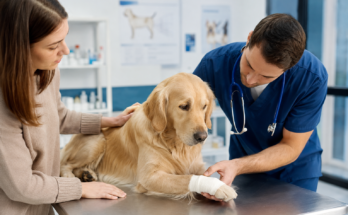
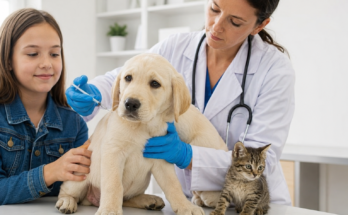
If you notice unusual symptoms, contact a veterinarian for professional advice. Cleaning your home can reduce many health risks, but it cannot replace proper veterinary care, vaccination, parasite prevention, and a healthy diet.
Conclusion
Keeping your home clean is an important part of preventing pet diseases and supporting your pet’s overall health. Simple habits such as washing pet bedding, cleaning floors, sanitizing food and water bowls, maintaining litter boxes, removing pet waste, washing toys, and controlling fleas and ticks can make a significant difference.
A clean home provides your dog or cat with a safer and more comfortable place to live. It also helps protect your family from germs and parasites that can sometimes spread between animals and people.
You do not need to spend all day cleaning to maintain a healthy environment. Consistent daily habits combined with regular deep cleaning can keep your home fresh and reduce many common health risks. By making pet hygiene and home cleanliness part of your normal routine, you can help your pet stay healthier, happier, and more comfortable for years to come.