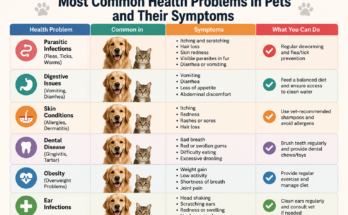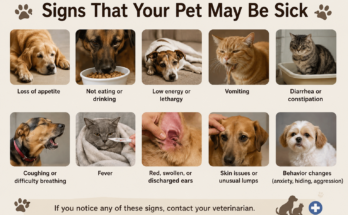
Dogs are loving, loyal, and wonderful companions, but like humans, they can also suffer from different diseases and health problems. As a pet owner, understanding the common diseases in dogs can help you notice early warning signs and take better care of your furry friend. Some dog diseases are mild and easy to manage, while others can become serious if they are not treated quickly. Regular veterinary checkups, proper nutrition, vaccinations, hygiene, exercise, and preventive care can help protect dogs from many health problems.
Knowing the symptoms of common dog diseases is especially important because dogs cannot tell us when they are feeling sick. Changes in appetite, behavior, energy level, bathroom habits, or appearance may indicate that something is wrong. In this article, we will discuss some of the most common diseases in dogs, their symptoms, possible causes, and ways pet owners can help keep their dogs healthy.
Canine Parvovirus
Canine parvovirus is one of the most serious infectious diseases in dogs, especially in puppies and unvaccinated dogs. The virus can spread through infected feces and contaminated environments. It is highly contagious and can survive for a long time in the environment.
Common symptoms of parvovirus include severe vomiting, diarrhea, loss of appetite, weakness, dehydration, and tiredness. Diarrhea may sometimes contain blood. Puppies are particularly vulnerable because their immune systems are still developing.
Vaccination is one of the best ways to protect dogs from parvovirus. Pet owners should also avoid exposing unvaccinated puppies to areas where many unknown dogs have been present. If a dog shows signs of severe vomiting or diarrhea, veterinary care should be sought quickly because dehydration can become dangerous.
Canine Distemper
Canine distemper is another serious viral disease that can affect dogs. It is usually spread through respiratory droplets from infected animals. Puppies and dogs that have not received their vaccinations are at greater risk.
Early symptoms may include fever, coughing, nasal discharge, watery eyes, tiredness, and reduced appetite. As the disease progresses, some dogs can develop neurological symptoms such as muscle twitching, seizures, poor coordination, or unusual movements.
There is no simple cure that directly eliminates the distemper virus, so prevention is extremely important. Keeping vaccinations up to date can significantly reduce the risk. Dogs should also be kept away from animals that may be infected.
Kennel Cough
Kennel cough is a common respiratory illness in dogs. It can spread easily in places where many dogs are together, such as boarding facilities, shelters, dog parks, and grooming centers.
The most noticeable symptom is usually a dry, persistent cough. Some dogs may also sneeze, have a runny nose, lose interest in food, or appear slightly tired. In many cases, kennel cough is mild, but young puppies, older dogs, and dogs with weaker immune systems can develop more serious respiratory problems.
Good hygiene and appropriate vaccination can help reduce the risk. If a dog develops a persistent cough, pet owners should consult a veterinarian to determine the cause and appropriate treatment.
Canine Influenza
Dogs can also become infected with certain strains of influenza viruses. Canine influenza is a contagious respiratory disease that can spread between dogs.
Symptoms may include coughing, sneezing, nasal discharge, fever, tiredness, and reduced appetite. Some dogs recover without serious complications, while others may develop pneumonia or more severe respiratory illness.
Owners should monitor dogs carefully if they have been exposed to sick animals. Keeping an infected dog away from other dogs can help reduce transmission. Veterinary advice is important when symptoms are severe or continue for several days.
Heartworm Disease
Heartworm disease is a potentially life threatening condition caused by parasites that are transmitted through mosquito bites. Once inside the dog, the parasites can develop into adult worms that live in the heart and blood vessels.
Symptoms may not appear during the early stages. As the disease progresses, a dog may develop coughing, tiredness, difficulty exercising, weight loss, breathing problems, or a swollen abdomen.
Heartworm prevention is generally much easier and safer than treating an established infection. Pet owners should speak with a veterinarian about an appropriate preventive program, especially in areas where mosquitoes are common.
Fleas and Flea Allergy Dermatitis
Fleas are among the most common external parasites affecting dogs. A small number of fleas can cause significant irritation, especially in dogs that are allergic to flea saliva.
A dog with fleas may scratch frequently, bite or lick its skin, develop red patches, or lose hair. Flea infestations can also contribute to skin infections and, in severe cases, anemia.
Regular parasite prevention is important for controlling fleas. Pet owners should remember that treating only the dog may not be enough because flea eggs and immature stages can remain in the home environment. Bedding, carpets, furniture, and other areas where the dog spends time may also need attention.
Tick Borne Diseases
Ticks can transmit several diseases to dogs. These diseases may affect different parts of the body and can sometimes cause serious complications.
Common signs may include fever, weakness, swollen joints, reduced appetite, pale gums, or unusual tiredness. Some tick borne diseases may take time to produce noticeable symptoms.
Pet owners should regularly check their dogs for ticks, especially after outdoor activities. Using veterinarian recommended tick prevention can reduce the risk. If a dog becomes sick after a tick bite or exposure to an area with many ticks, veterinary evaluation is recommended.
Ear Infections
Ear infections are common in dogs and can occur for several reasons, including allergies, bacteria, yeast, moisture, or ear parasites. Dogs with floppy ears may be particularly prone to ear problems because their ear structure can trap moisture.
Symptoms include frequent scratching of the ears, head shaking, redness, unpleasant odor, swelling, and discharge. A dog may also become sensitive when its ears are touched.
Ear infections should not be ignored because untreated infections can become painful and may lead to deeper problems. A veterinarian can identify the underlying cause and recommend suitable treatment.
Skin Allergies
Skin allergies are another common health issue in dogs. Allergies can be caused by fleas, food ingredients, environmental substances, or other triggers.
Dogs with allergies may scratch, lick, chew, or rub their skin frequently. Redness, hair loss, scabs, and recurring ear infections may also occur. Constant scratching can damage the skin and allow secondary infections to develop.
Identifying the cause of an allergy can sometimes take time. A veterinarian may recommend dietary changes, parasite control, medication, or other management strategies depending on the suspected trigger.
Dental Disease
Dental disease is one of the most overlooked health problems in dogs. Plaque can build up on the teeth and eventually develop into tartar. Over time, this can lead to gum inflammation, infection, pain, and tooth loss.
Bad breath is often an early warning sign. Other symptoms may include difficulty chewing, dropping food, excessive drooling, swollen gums, or reluctance to eat.
Regular dental care can make a major difference. Pet owners can discuss brushing techniques, dental products, and professional dental cleaning with their veterinarian. Starting dental care while a dog is young can make the routine easier to maintain.
Obesity in Dogs
Obesity is not an infectious disease, but it is a major health concern for dogs. Excess body weight can increase the risk of joint problems, diabetes, heart disease, breathing difficulties, and reduced mobility.
Dogs can become overweight when they consume more calories than they use. Too many treats, large portions, lack of exercise, and unsuitable diets can contribute to weight gain.
Pet owners should monitor their dog’s body condition rather than relying only on body weight. A veterinarian can help determine an appropriate diet, portion size, and exercise routine.
Diabetes in Dogs
Diabetes can occur when a dog’s body cannot properly regulate blood sugar. It is more common in some dogs than others and can be associated with several factors.
Common signs include increased thirst, frequent urination, increased hunger, weight loss, and reduced energy. If diabetes is suspected, veterinary testing is necessary.
With appropriate veterinary care, diet management, and prescribed treatment, many dogs with diabetes can continue to enjoy a good quality of life. Consistency is important, so owners should carefully follow the veterinarian’s recommendations.
Arthritis and Joint Problems
Arthritis is particularly common in older dogs, although younger dogs can also develop joint problems. Arthritis causes inflammation and discomfort in the joints and can make normal movement difficult.
A dog with arthritis may walk more slowly, have difficulty climbing stairs, avoid jumping, or take longer to stand up. Some dogs may become less interested in playing because movement is uncomfortable.
Maintaining a healthy weight can reduce pressure on the joints. Gentle exercise and veterinary guidance can also help manage mobility problems. If a dog shows signs of pain or stiffness, owners should consult a veterinarian rather than giving human pain medication, which can be dangerous for dogs.
How Pet Owners Can Prevent Common Dog Diseases
Preventing disease is an important part of responsible pet ownership. Regular veterinary examinations can help identify health problems before they become serious. Vaccinations protect dogs from several dangerous infectious diseases, while parasite prevention helps control fleas, ticks, and heartworms.
A balanced diet is also essential for maintaining a healthy immune system and body weight. Dogs need regular exercise according to their age, breed, size, and individual health needs. Clean drinking water should always be available.
Good hygiene can also reduce health risks. Washing bedding, cleaning food and water bowls, maintaining a clean living environment, and practicing proper grooming can all support better health.
Pet owners should also pay attention to changes in their dog’s normal behavior. A sudden change in appetite, energy, breathing, bathroom habits, or appearance should not be ignored.
When Should You Contact a Veterinarian?
Not every health problem is an emergency, but some symptoms require immediate attention. Difficulty breathing, repeated vomiting, severe diarrhea, seizures, collapse, serious injuries, poisoning, extreme weakness, or sudden changes in consciousness can require urgent veterinary care.
When in doubt, it is safer to contact a veterinarian and explain the dog’s symptoms. Early diagnosis can often make treatment easier and may prevent a minor problem from becoming more serious.
Final Thoughts
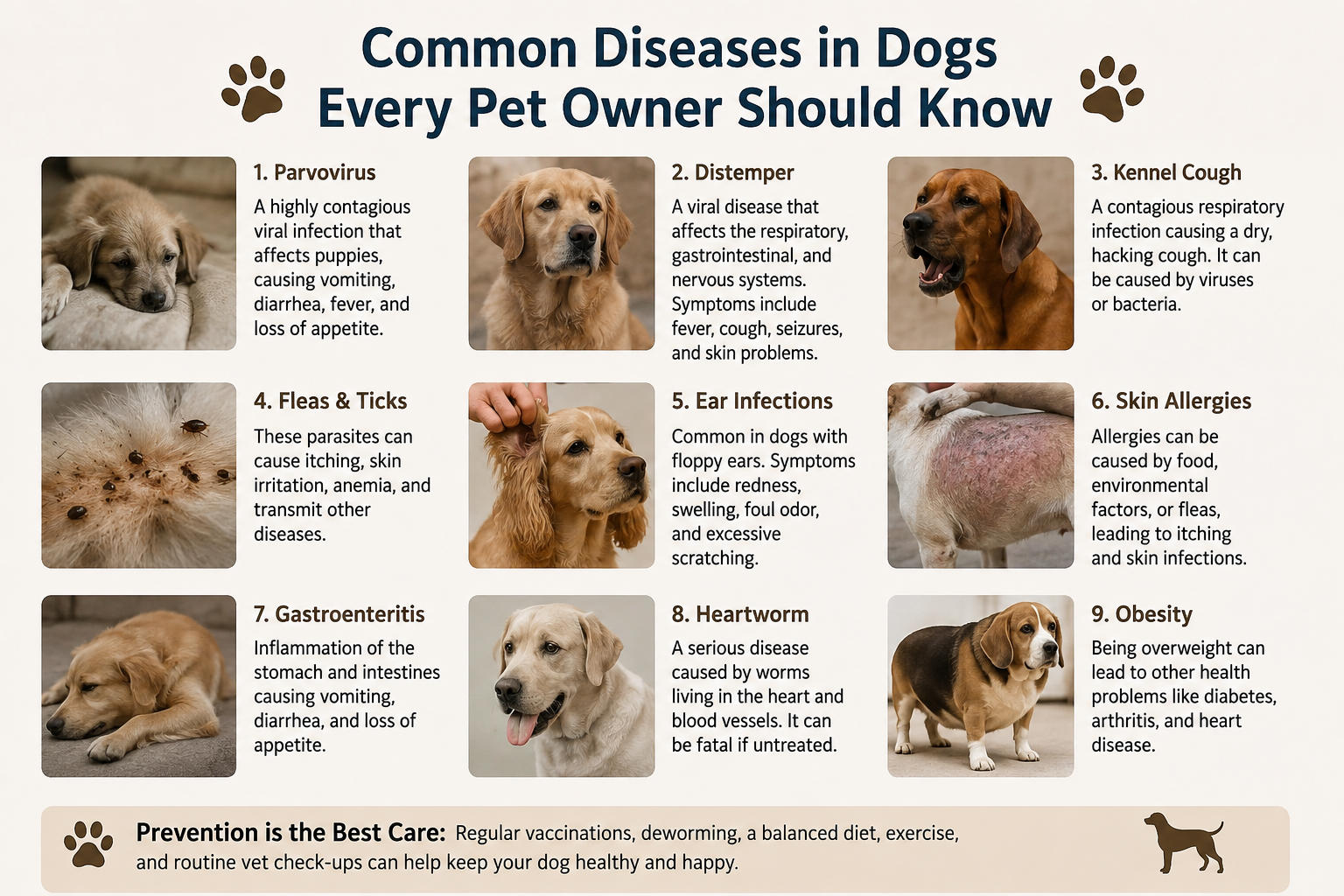
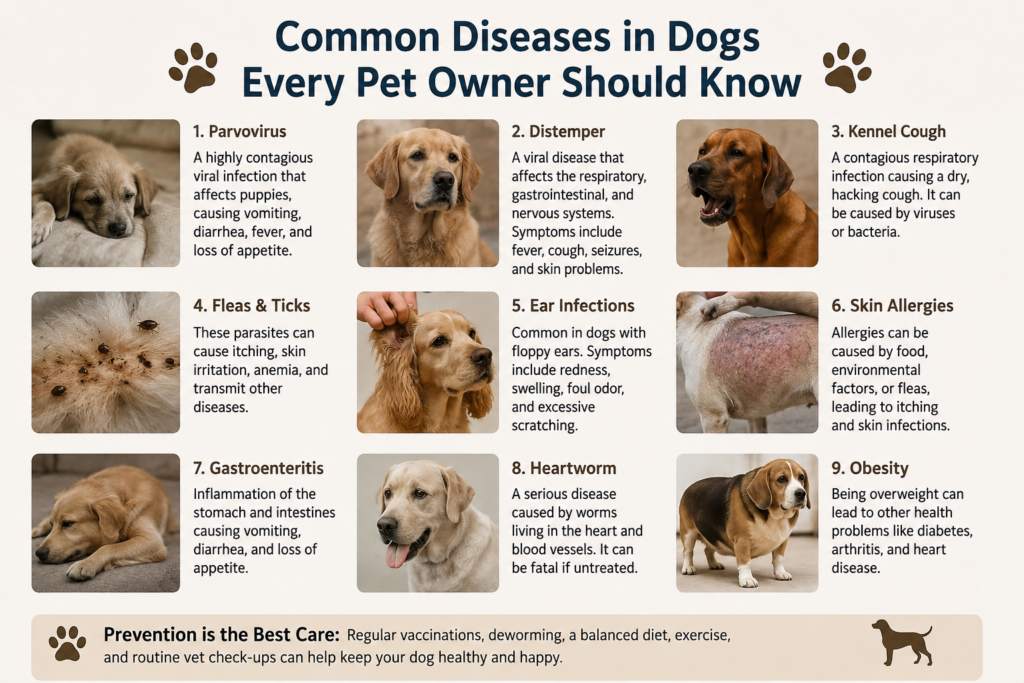
Understanding common diseases in dogs helps pet owners become more prepared and responsible caregivers. Conditions such as parvovirus, distemper, kennel cough, heartworm disease, flea infestations, tick borne diseases, ear infections, skin allergies, dental disease, obesity, diabetes, and arthritis can affect dogs at different stages of life.
The good news is that many health problems can be prevented or managed with proper care. Regular veterinary checkups, vaccinations, parasite prevention, healthy nutrition, exercise, dental care, and good hygiene can help dogs live longer and healthier lives. Most importantly, pet owners should learn their dog’s normal habits and pay attention when something changes. Recognizing the early signs of illness and seeking professional veterinary advice can make a significant difference in a dog’s health and wellbeing.