Cats are loving and independent pets, but they can still become sick from many serious diseases. Some illnesses can spread quickly between cats and may cause severe health problems or even become life threatening. One of the most effective ways to protect cats from these diseases is vaccination. Cat vaccinations help the immune system recognize harmful viruses and bacteria before they can cause serious illness. Regular vaccination is an important part of responsible cat care and can help your pet live a healthier and longer life.
Many cat owners think that indoor cats do not need vaccines because they rarely go outside. However, this is not always true. Indoor cats can still be exposed to disease causing organisms through other animals, contaminated objects, shoes, clothing, veterinary clinics, or visits from outdoor cats. Understanding the importance of cat vaccination can help owners make better decisions about their pet health.
What Are Cat Vaccinations?
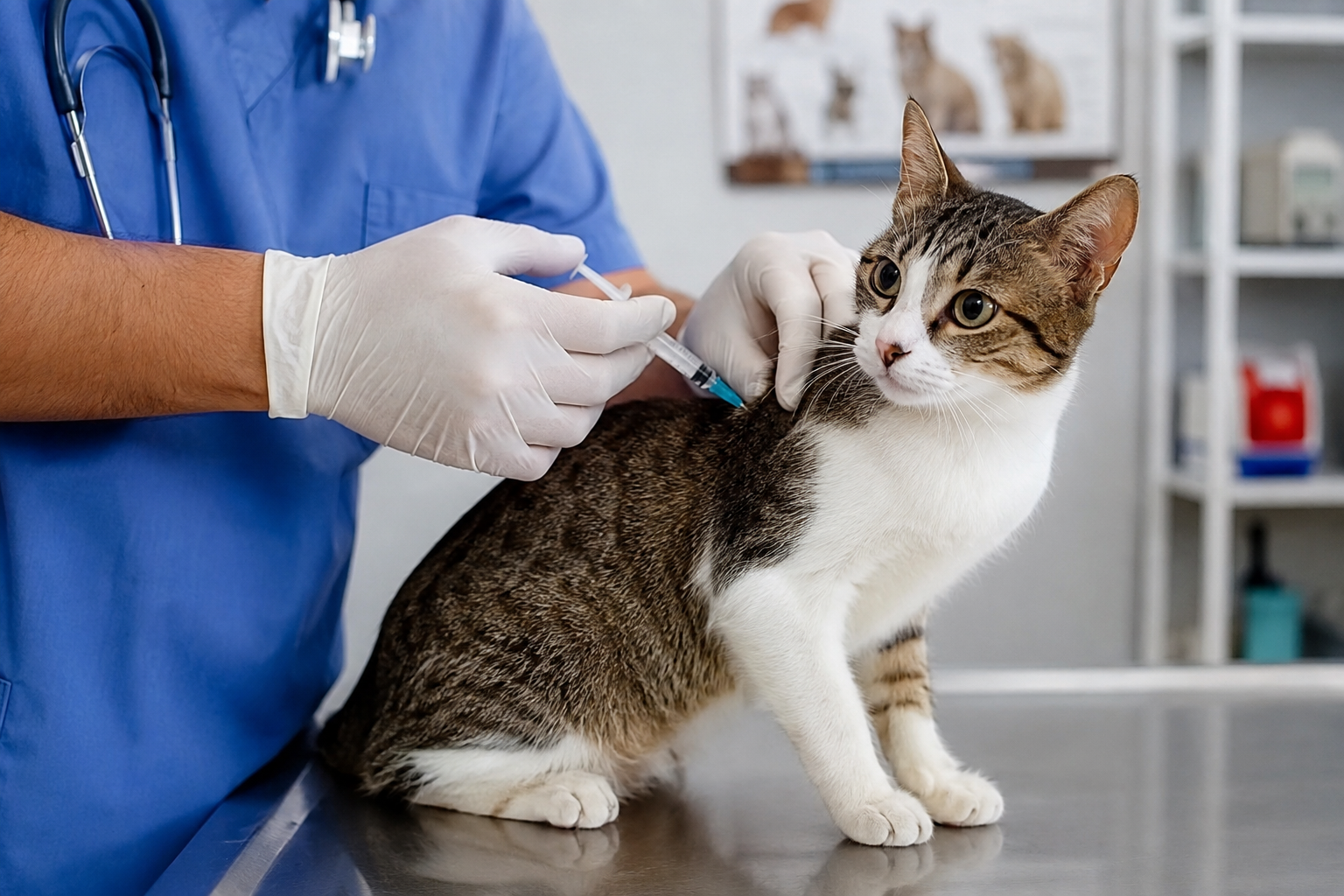
Cat vaccinations are specially designed treatments that prepare a cat’s immune system to fight specific diseases. A vaccine introduces the immune system to a safe form or part of a disease causing organism. This allows the body to develop an immune response without causing the actual disease.
When a vaccinated cat later comes into contact with the real infection, its immune system can respond more quickly. In many cases, vaccination prevents the disease completely. Even when a vaccinated cat becomes infected, vaccination may reduce the severity of symptoms and lower the risk of serious complications.
Vaccines do not provide protection against every possible illness, but they are extremely important for preventing several common and dangerous cat diseases.
Why Vaccination Is Important for Cats
Vaccination is important because cats can be exposed to infectious diseases at different stages of their lives. Young kittens are especially vulnerable because their immune systems are still developing. Although kittens receive some protection from antibodies passed from their mother, this protection decreases over time.
Vaccines help strengthen a kitten’s developing immune system. They also provide protection during a period when kittens may be particularly vulnerable to infections.
Adult cats also need appropriate vaccinations. Immunity can decrease over time, which is why some vaccines require booster doses. A veterinarian can recommend a vaccination schedule based on the cat’s age, health, lifestyle, and risk of exposure.
Common Diseases Prevented by Cat Vaccinations
Several serious diseases can be prevented or reduced through proper vaccination. One of the most important is feline panleukopenia, a highly contagious viral disease that can cause vomiting, diarrhea, dehydration, weakness, and severe damage to the immune system. Kittens are particularly vulnerable to this disease, and severe infections can be fatal.
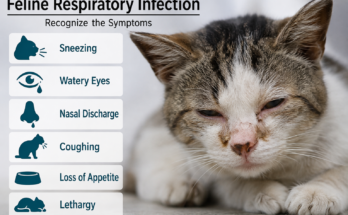
Feline herpesvirus is another common infection that can affect cats. It can cause sneezing, nasal discharge, eye problems, fever, and breathing difficulties. Vaccination may not always prevent infection completely, but it can help reduce the severity of illness.
Feline calicivirus can also cause respiratory symptoms and mouth ulcers. Some cats may develop serious complications, especially if their immune system is weak. Vaccination can reduce the risk of severe disease.
Rabies is another major concern. Rabies affects the nervous system and is almost always fatal once symptoms appear. It can also infect people and other animals. Rabies vaccination is therefore an important part of cat health and may be required by law in some areas.
Feline leukemia virus, commonly known as FeLV, can cause serious health problems and weaken a cat’s immune system. Cats that spend time outdoors or have contact with other cats may have a higher risk of exposure. A veterinarian can determine whether an FeLV vaccine is appropriate for a particular cat.
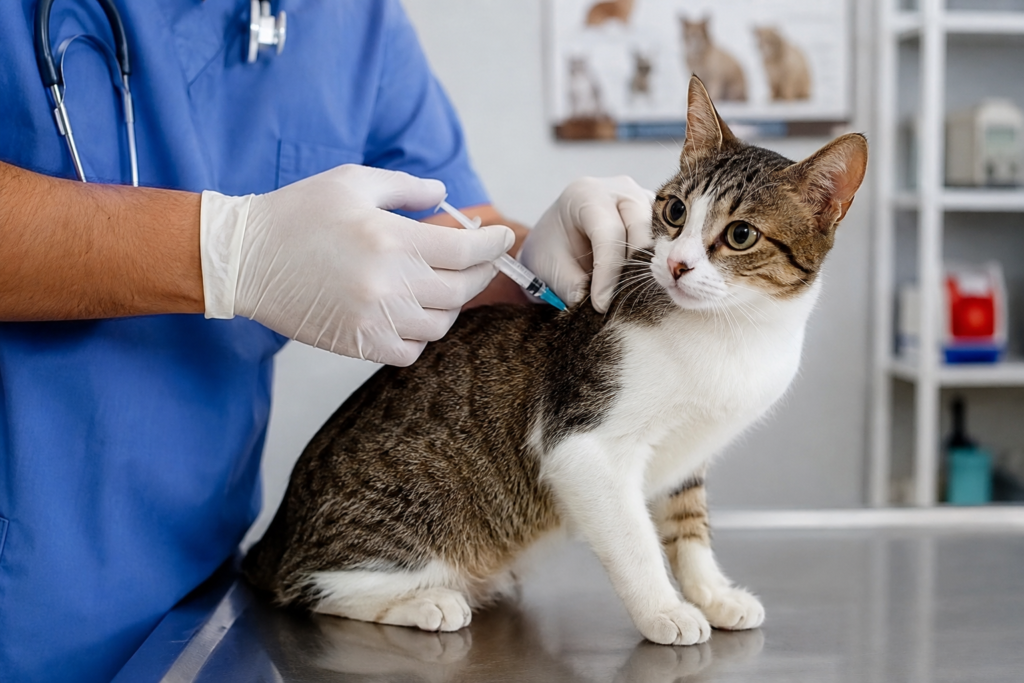
Kitten Vaccination
Kittens usually require several vaccinations during their early months of life. This is because the protection they receive from their mother gradually decreases, while their own immune system continues to develop.
A kitten vaccination schedule may begin when the kitten is several weeks old and continue with additional doses at specific intervals. Booster vaccinations are often needed to build strong and lasting immunity.
The exact schedule can vary depending on the vaccine, the kitten’s health, local disease risks, and veterinary recommendations. Owners should avoid creating their own vaccination schedule because different cats have different health needs.
Regular veterinary visits during kittenhood are also useful because the veterinarian can check the kitten’s weight, growth, nutrition, parasites, and overall development.
Vaccination for Adult Cats
Vaccination does not stop being important once a cat becomes an adult. Adult cats may need booster vaccinations to maintain protection against certain diseases. However, not every cat requires the same vaccines at the same frequency.
A veterinarian considers several factors before recommending vaccinations. These may include the cat’s age, lifestyle, previous vaccination history, health condition, exposure to other animals, and likelihood of traveling or boarding.
For example, an outdoor cat may face more opportunities for exposure to infectious diseases than a cat that stays inside. Cats that regularly visit boarding facilities or live in homes with multiple cats may also have different risks.
Indoor Cats Need Protection Too
One common misunderstanding is that indoor cats do not need vaccinations. While staying indoors can reduce exposure to some diseases, it does not eliminate the risk completely.
Disease causing organisms can enter a home through shoes, clothing, hands, objects, and contact with other animals. An indoor cat may also escape through an open door or window and come into contact with an infected animal.
There may also be situations when an indoor cat needs to visit a veterinary clinic, boarding facility, grooming service, or another location where other animals have been present. Keeping vaccinations up to date provides an additional layer of protection.
Are Cat Vaccines Safe?
Most cats tolerate vaccinations well. Like any medical treatment, vaccines can sometimes cause mild side effects. A cat may be tired, have a slightly reduced appetite, or develop mild soreness at the injection site for a short period after vaccination.
Serious reactions are uncommon, but owners should still watch their cat after vaccination. If a cat develops severe swelling, difficulty breathing, repeated vomiting, extreme weakness, or another concerning symptom, veterinary attention should be sought immediately.
The benefits of vaccination generally outweigh the risks for cats that are appropriate candidates for vaccination. A veterinarian can discuss possible risks and benefits based on an individual cat’s health.
The Importance of Regular Veterinary Checkups
Vaccination should be part of a complete cat health care plan. Regular veterinary checkups allow professionals to evaluate the cat’s overall condition and determine which vaccines are appropriate.
During a checkup, the veterinarian may also look for signs of dental disease, parasites, nutritional problems, weight changes, skin conditions, and other health concerns. Early detection can make many health problems easier to manage.
Keeping a record of your cat’s vaccinations is also helpful. This information can be important when visiting a new veterinarian, traveling, boarding your cat, or introducing another animal into your home.
Vaccination Helps Protect Other Cats
Cat vaccination does more than protect one individual pet. When more cats are properly vaccinated, infectious diseases have fewer opportunities to spread through the population.
This is particularly important for kittens, older cats, and animals with weakened immune systems. Some cats may not be able to receive certain vaccines because of their health condition. Keeping healthy and eligible pets vaccinated can help reduce the overall spread of disease.
Vaccination therefore plays an important role in both individual and community cat health.
What Happens If a Cat Is Not Vaccinated?
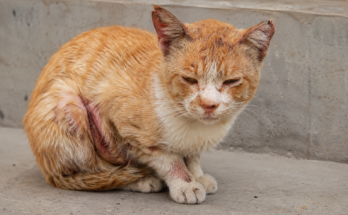
An unvaccinated cat may have a higher risk of developing preventable infectious diseases. The severity of illness can depend on the disease, the cat’s age, immune system, and exposure level.
Some infections can lead to dehydration, respiratory problems, organ damage, neurological complications, or death. Treatment can also become expensive when a serious infectious disease develops.
Choosing vaccination is not a guarantee that a cat will never become sick, but it can significantly improve protection against several dangerous diseases.
How Owners Can Keep Their Cats Protected
Cat owners can take several simple steps to support their pet’s health. The first step is to speak with a qualified veterinarian about an appropriate vaccination plan. Owners should keep vaccination records and follow recommended booster schedules.
Cats should also receive regular health examinations, a balanced diet, parasite prevention when recommended, clean water, and a safe living environment. Limiting unnecessary contact with unknown or sick animals can further reduce the risk of infection.
If a cat has an unknown vaccination history, owners should not assume that the cat is protected. A veterinarian can review the situation and recommend the safest way to bring the cat’s vaccinations up to date.
Final Thoughts
Vaccination is one of the most important ways to protect cats from serious and potentially life threatening diseases. From kittenhood through adulthood, appropriate vaccines can help strengthen the immune system and reduce the risk of severe infections.
Every cat has different health needs, so vaccination decisions should be made with the guidance of a veterinarian. Indoor cats, outdoor cats, kittens, and adult cats may all require different approaches based on their individual risk factors.
By keeping vaccinations current and combining them with regular veterinary care, proper nutrition, parasite control, and a healthy lifestyle, cat owners can give their pets a stronger chance of staying healthy. A small amount of preventive care today can make a major difference in protecting your cat from serious disease in the future.