Cats are known for having soft and beautiful coats, but their skin can sometimes develop problems that affect their comfort and overall health. Common skin problems in cats can happen for many different reasons, including allergies, parasites, infections, poor nutrition, stress, and underlying health conditions. Some skin diseases in cats are easy to notice, while others may begin with small changes that become more serious over time.
As a cat owner, it is important to pay attention to changes in your cat’s skin, fur, and grooming habits. Excessive scratching, hair loss, redness, scabs, or unusual bumps can all be signs that something is wrong. Understanding the most common cat skin diseases can help you recognize warning signs early and seek proper veterinary care.
Flea Allergy Dermatitis in Cats
Flea allergy dermatitis is one of the most common skin problems in cats. It happens when a cat has an allergic reaction to substances found in flea saliva. A cat does not need to have a large number of fleas to develop a reaction. Even a few flea bites can cause intense itching in sensitive cats.
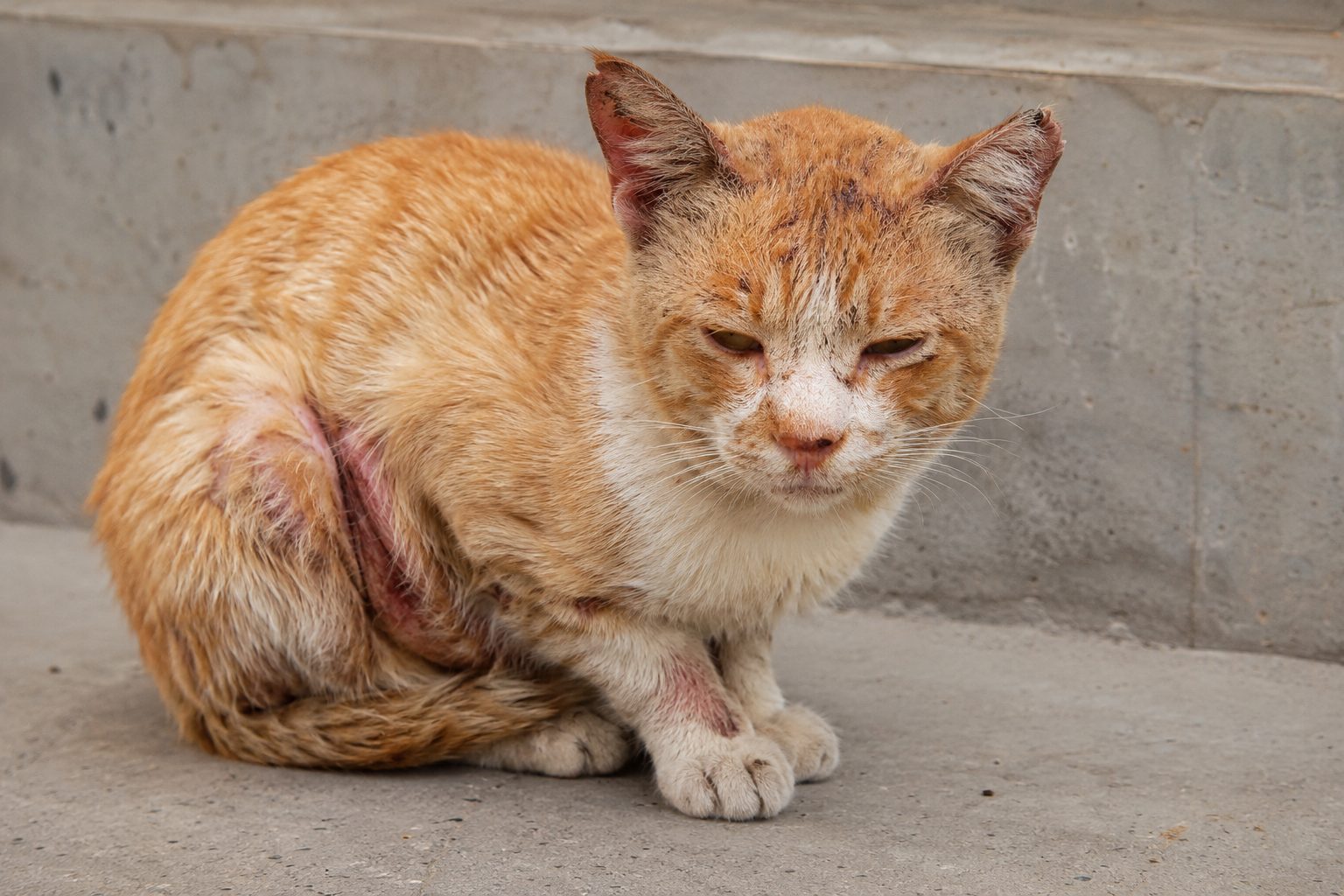
Cats with flea allergy dermatitis often scratch around the neck, back, and base of the tail. They may also bite or lick their skin excessively. Small scabs can appear across the body, especially around the back and neck. Some cats may lose patches of fur because of constant scratching and grooming.
Regular flea prevention is one of the best ways to protect cats from this condition. If fleas are already present, both the cat and the home environment may need treatment. A veterinarian can recommend a safe flea control product based on the cat’s age, weight, and health.
Ringworm in Cats
Ringworm is another common skin disease in cats. Despite its name, ringworm is not caused by a worm. It is a fungal infection that affects the skin, hair, and sometimes the claws. Ringworm can spread easily between cats and can also be transmitted from cats to people.
Cats with ringworm may develop circular areas of hair loss, flaky skin, redness, or crusty patches. The infection commonly appears on the face, ears, and legs, although it can affect other parts of the body. Some cats may have only mild signs, making the infection difficult to identify without veterinary testing.
Treatment for ringworm usually involves antifungal medication and careful cleaning of the cat’s living environment. Because ringworm can spread to other animals and humans, affected cats should be handled carefully and treated according to veterinary advice.
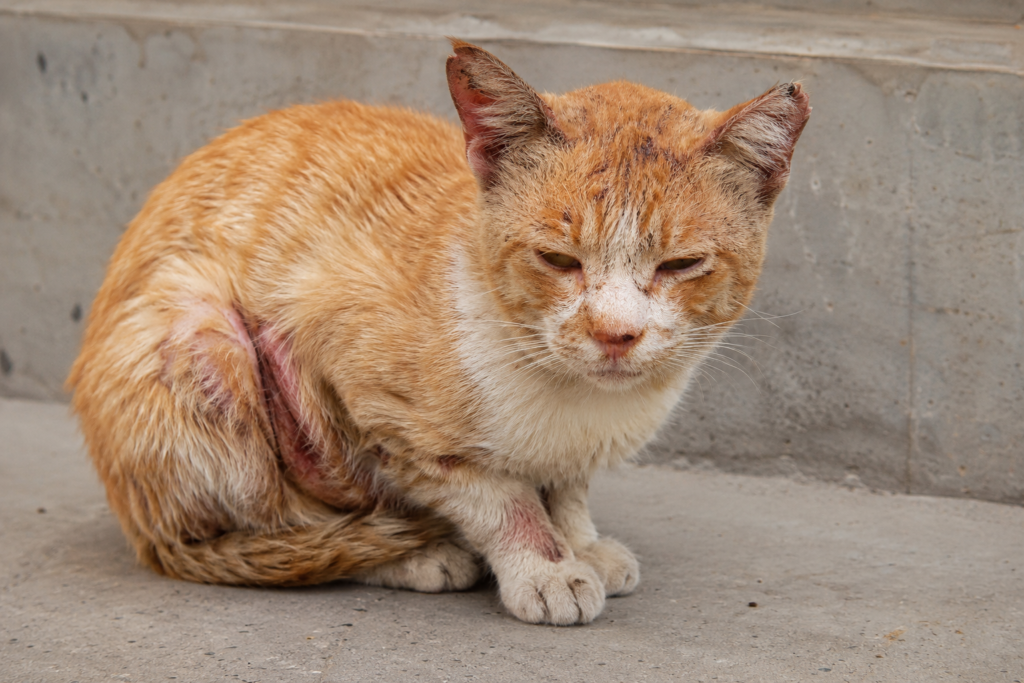
Ear Mites and Skin Irritation
Ear mites are tiny parasites that commonly affect cats, especially kittens and cats that spend time around other animals. They live inside the ear canal and can cause severe irritation. Cats with ear mites often shake their heads, scratch their ears, or rub their heads against furniture.
A dark, coffee ground like material inside the ears can sometimes be seen when ear mites are present. However, other ear conditions can cause similar symptoms, so a veterinarian should confirm the problem before treatment begins.
Although ear mites mainly affect the ears, constant scratching can cause wounds and skin infections around the head and neck. Proper treatment can remove the mites and reduce irritation.
Bacterial Skin Infections
Bacterial skin infections can develop when bacteria enter damaged or irritated skin. Cats that scratch themselves because of allergies, fleas, or other skin conditions may create small wounds that become infected.
Signs of a bacterial skin infection may include redness, swelling, pus, unpleasant odor, scabs, and areas of hair loss. Some cats may become uncomfortable when the affected area is touched.
Treatment depends on the cause and severity of the infection. A veterinarian may recommend medication, cleaning of the affected area, or treatment for the underlying problem that caused the skin damage. Treating only the infection may not prevent it from returning if the original cause is not addressed.
Fungal Skin Infections
Fungal infections can affect different areas of a cat’s body and may cause itching, hair loss, redness, or flaky skin. Ringworm is the best known fungal skin infection, but other fungal organisms can also cause skin problems.
Cats with weakened immune systems may be more vulnerable to certain infections. Outdoor cats may also have greater exposure to fungi found in soil and the environment.
Because fungal skin conditions can look similar to allergies and parasites, professional diagnosis is important. A veterinarian may examine skin samples or perform other tests to determine the cause.
Cat Allergies and Skin Problems
Allergies are another important cause of skin problems in cats. Cats can develop allergies to fleas, food ingredients, pollen, dust, mold, or other environmental substances. Allergic reactions often cause itching and inflammation.
A cat with allergies may lick its body excessively, scratch frequently, or develop bald areas. Some cats repeatedly groom their legs, stomach, or sides until the fur becomes thin.
Food allergies can sometimes cause skin irritation along with digestive problems. Identifying the specific cause of an allergy can take time. Veterinarians may recommend an elimination diet or other testing methods depending on the situation.
Acne in Cats
Cats can develop acne, particularly around the chin and lips. Feline acne can appear as small black spots, bumps, redness, or crusts underneath the chin. In more serious cases, the area may become swollen or infected.
The exact cause of feline acne is not always clear. Problems with skin oil production, grooming habits, stress, and environmental factors may contribute to the condition.
Keeping food and water bowls clean can help reduce exposure to bacteria and dirt. Some cats may benefit from different types of bowls, especially if their current bowls are difficult to clean. Severe or recurring feline acne should be evaluated by a veterinarian.
Dry Skin in Cats
Dry skin is a common concern, especially during dry weather or when a cat has an underlying health problem. A cat with dry skin may have flakes, dandruff, or a dull looking coat.
Poor nutrition can sometimes contribute to poor skin and coat health. Cats need a balanced diet containing appropriate levels of protein, fats, vitamins, and minerals. Dehydration may also affect skin health.
If dry skin continues for a long time, it is worth discussing with a veterinarian. Persistent dryness may sometimes be related to allergies, parasites, hormonal problems, or another medical condition.
Mites and Mange in Cats
Mites can cause different forms of mange in cats. These tiny parasites may lead to severe itching, hair loss, redness, crusts, and thickened skin. The ears, face, neck, and body can be affected depending on the type of mite.
Cats with mange may scratch constantly and appear uncomfortable. Some types of mites can spread between animals, so early diagnosis and treatment are important.
A veterinarian can examine skin samples to identify mites and determine the appropriate treatment. Never use a dog flea or mite treatment on a cat unless it is specifically approved for cats, because some products can be dangerous to them.
Hair Loss in Cats
Hair loss, also called alopecia, can have many causes. Cats naturally shed fur, but noticeable bald patches are usually a reason to investigate further.
Fleas, allergies, infections, parasites, stress, pain, and excessive grooming can all cause hair loss. Some cats groom excessively because they are anxious, while others may lick a painful area because of an underlying physical problem.
The location and pattern of hair loss can provide useful information to a veterinarian. A proper examination can help determine whether the problem is related to the skin itself or another health issue.
Stress Related Skin Problems
Stress can have a significant effect on a cat’s grooming behavior. When cats experience changes in their environment, conflicts with other animals, boredom, or other sources of stress, they may groom themselves excessively.
Overgrooming can result in thin fur, bald patches, redness, and irritated skin. Cats may focus on areas such as the stomach, legs, or sides of the body.
Reducing stress can help improve the problem. Providing hiding spaces, regular playtime, clean litter areas, and a predictable daily routine can make cats feel more secure. However, medical causes should be ruled out before assuming that stress is the only reason for excessive grooming.
How to Prevent Skin Problems in Cats
Preventing cat skin problems begins with good everyday care. Regular grooming can help owners notice fleas, lumps, wounds, scabs, or unusual changes before they become serious. Grooming also helps remove loose fur and dirt from the coat.
Cats should receive appropriate parasite prevention as recommended by a veterinarian. A balanced diet and access to fresh water are also important for healthy skin and fur.
Keeping bedding, sleeping areas, food bowls, and litter areas clean can reduce exposure to irritants and infectious organisms. Indoor cats also benefit from a clean and comfortable environment with opportunities for exercise and mental stimulation.
When Should You Visit a Veterinarian?
Not every skin problem requires emergency treatment, but persistent or severe symptoms should never be ignored. You should contact a veterinarian if your cat has severe itching, widespread hair loss, open wounds, swelling, bleeding, pus, strong skin odor, or significant changes in grooming behavior.
A veterinarian can determine whether the problem is caused by parasites, allergies, infection, nutrition, stress, or another medical condition. Early treatment can prevent minor skin problems from becoming more painful and difficult to manage.
It is also important to avoid using human creams, shampoos, essential oils, or medications on cats without professional advice. Some substances that are safe for humans can be harmful or toxic to cats.
Conclusion
Common skin problems in cats can range from simple irritation to infections and chronic diseases. Flea allergy dermatitis, ringworm, ear mites, bacterial infections, allergies, feline acne, dry skin, mange, and stress related grooming are among the problems cat owners may encounter.
The best approach is to pay attention to changes in your cat’s skin and coat and act when something looks unusual. Regular grooming, parasite prevention, good nutrition, cleanliness, and routine veterinary care can all support healthy skin. If your cat develops persistent itching, hair loss, redness, scabs, or other unusual symptoms, professional veterinary advice can help identify the cause and provide the right treatment.
Healthy skin is an important part of your cat’s overall well being. By learning to recognize common cat skin problems and responding early, you can help your cat stay comfortable, active, and happy for years to come.