Feline diabetes is a common health condition that can affect cats of different ages, sizes, and breeds. Just like diabetes in humans, feline diabetes occurs when the body cannot properly control blood sugar levels. For cat owners, understanding the causes, symptoms, treatment options, and prevention methods can make a major difference in their pet’s health and quality of life. When feline diabetes is recognized early and managed properly, many cats can continue to live happy and comfortable lives.
What Is Feline Diabetes?
Feline diabetes is a metabolic disease that develops when a cat’s body cannot produce enough insulin or cannot use insulin effectively. Insulin is a hormone produced by the pancreas. Its main job is to help glucose move from the bloodstream into the body’s cells, where it is used as energy.
When insulin does not work properly, glucose remains in the bloodstream instead of entering the cells. This causes blood sugar levels to rise. Over time, consistently high blood sugar can affect several organs and create serious health problems.
The most common form of feline diabetes is similar to type 2 diabetes in humans. It is often associated with obesity, lack of physical activity, and insulin resistance. Fortunately, some diabetic cats can achieve remission when the condition is diagnosed early and managed with proper nutrition, weight control, and veterinary treatment.
Common Causes of Diabetes in Cats
Several factors can increase a cat’s risk of developing diabetes. Obesity is one of the most important risk factors. Overweight cats are more likely to develop insulin resistance because excess body fat can interfere with the way insulin works.
Diet can also play an important role. Cats are natural carnivores and require a diet that provides appropriate levels of animal based protein. Diets that are high in carbohydrates may contribute to unhealthy blood sugar levels in some cats, particularly when combined with excess calorie intake and weight gain.
Age is another factor. Feline diabetes is more common in middle aged and older cats, although younger cats can also develop the disease. Male cats may have a slightly higher risk than female cats.
Certain medications and medical conditions can also increase the risk of diabetes. Long term use of some steroid medications may contribute to insulin resistance. Conditions such as chronic pancreatitis, hormonal disorders, and other illnesses can also affect blood sugar regulation.
Warning Signs of Feline Diabetes
Recognizing the symptoms of feline diabetes is extremely important. One of the most common signs is increased thirst. A cat may begin drinking more water than usual and may visit the water bowl frequently.
Increased urination is another common symptom. Owners may notice that the litter box becomes wetter or needs cleaning more frequently. A cat that suddenly begins urinating outside the litter box may also be experiencing a medical problem rather than a behavioral issue.
Increased hunger can occur as well. Even though a diabetic cat may eat normally or have an increased appetite, the body cannot use glucose properly for energy. As a result, the cat may continue to feel hungry.
Unexpected weight loss is another important warning sign. A cat may lose weight even while eating well. Other symptoms can include weakness, tiredness, reduced activity, poor coat condition, and dehydration.
Some cats with diabetes develop a condition called diabetic neuropathy. This can cause weakness in the back legs. Affected cats may walk with their back legs lower than normal or have difficulty jumping onto furniture. This symptom should always be discussed with a veterinarian.
How Feline Diabetes Is Diagnosed
If you notice signs of diabetes in your cat, a veterinarian should perform a complete examination. Diagnosis usually involves blood and urine tests. These tests can determine whether blood glucose levels are consistently elevated and whether glucose is present in the urine.
Stress can temporarily increase blood sugar in cats. Because cats can become nervous during veterinary visits, a single high blood glucose reading does not always mean that a cat has diabetes. Veterinarians may use additional testing, including a fructosamine blood test, to help determine whether blood sugar has remained elevated over a longer period.
The veterinarian may also evaluate the cat’s weight, appetite, hydration, urine production, and general health. Additional tests may be recommended to identify other conditions that could affect blood sugar levels.
Treatment for Feline Diabetes
Treatment depends on the individual cat and the severity of the disease. Insulin therapy is one of the most common treatments. Insulin helps the body control blood glucose and allows glucose to move into cells for energy.
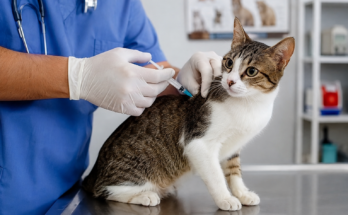
Many owners are initially worried about giving insulin injections. However, insulin injections are usually given with a very small needle, and most cats tolerate them well. A veterinarian can demonstrate the correct technique and explain how much insulin should be given and when it should be administered.
Diet is another major part of feline diabetes management. A veterinarian may recommend a high protein and relatively low carbohydrate diet that is appropriate for the cat’s individual needs. Wet food is often useful because it can provide more moisture and may have fewer carbohydrates than some dry foods.
Weight management is especially important for overweight cats. Losing excess weight can improve insulin sensitivity and may make diabetes easier to control. Weight loss should always happen gradually and under veterinary guidance because rapid weight loss can be dangerous for cats.
Regular monitoring is also necessary. Blood glucose levels may need to be checked periodically so the veterinarian can adjust the treatment plan. Some owners may learn how to monitor blood glucose at home, while others rely on veterinary testing.
Can Feline Diabetes Go Into Remission?
One of the most encouraging facts about feline diabetes is that some cats can achieve remission. Remission means the cat can maintain normal blood glucose levels without needing insulin for an extended period.
Early diagnosis and proper treatment can increase the possibility of remission. Maintaining a healthy body weight and providing an appropriate diet can also help. However, remission is not guaranteed, and every cat responds differently to treatment.
Even when a cat goes into remission, regular veterinary checkups remain important. Diabetes can return, especially if the cat gains weight or develops another health condition.
The Importance of Proper Nutrition
Nutrition plays a major role in managing feline diabetes. Cats have unique nutritional needs, and their diet should provide enough protein, essential nutrients, and appropriate calories.
For many diabetic cats, veterinarians recommend food that is lower in carbohydrates and higher in protein. However, there is no single diet that works perfectly for every cat. Factors such as age, weight, kidney health, activity level, and other medical conditions must be considered.
Cat owners should avoid making sudden dietary changes without veterinary advice. A gradual transition can help prevent digestive problems and make it easier for the cat to accept the new food.
Treats should also be considered part of the overall diet. Giving too many high calorie treats can make weight management difficult. Choosing suitable treats and keeping portions small can support better blood sugar control.
How Owners Can Help Manage Diabetes at Home
Managing feline diabetes requires consistency. Insulin should be given according to the veterinarian’s instructions. Owners should avoid changing the insulin dose without professional guidance because too much insulin can cause dangerously low blood sugar.
Monitoring eating and drinking habits can also provide useful information. Owners should pay attention to changes in appetite, water consumption, urination, energy levels, and body weight.
Keeping a simple daily record can make diabetes management easier. Owners can record insulin administration, food intake, water consumption, and any unusual behavior. This information can help the veterinarian determine whether treatment is working effectively.
It is also important to know the signs of low blood sugar. A cat with dangerously low blood glucose may become weak, confused, unsteady, unusually sleepy, or may have seizures. This can be an emergency, so owners should contact a veterinarian immediately if these symptoms occur.
Preventing Feline Diabetes
Not every case of feline diabetes can be prevented, but owners can reduce some risk factors. Maintaining a healthy body weight is one of the most important steps. Cats should receive appropriate portions and regular opportunities for physical activity.
Play is especially useful for indoor cats. Interactive toys, climbing structures, food puzzles, and regular play sessions can encourage movement and help prevent excessive weight gain.
Regular veterinary examinations are also important. Routine checkups can identify obesity, dental problems, hormonal disorders, and other health issues before they become more serious.
Owners should also avoid overfeeding. Cats may beg for food even when they have received enough calories. Following appropriate feeding portions can help maintain a healthy weight throughout the cat’s life.
When to Contact a Veterinarian
Any major change in a cat’s behavior, appetite, thirst, urination, or weight deserves attention. Increased thirst and urination combined with unexplained weight loss are particularly important signs of possible feline diabetes.
Diabetic cats can also develop serious complications if the disease is not controlled. A dangerous condition called diabetic ketoacidosis can occur when diabetes becomes severe. Symptoms may include vomiting, extreme weakness, dehydration, loss of appetite, and abnormal breathing. This requires urgent veterinary care.
Cat owners should never attempt to diagnose or treat diabetes on their own. Human diabetes medications and insulin products should not be given to cats unless specifically prescribed by a veterinarian.
Final Thoughts
Feline diabetes can sound frightening when a cat first receives the diagnosis, but it is a manageable condition for many pets. With early detection, proper veterinary care, suitable nutrition, weight management, and consistent monitoring, diabetic cats can often enjoy a good quality of life.
The most important thing for cat owners is to recognize the warning signs and take action early. Increased thirst, frequent urination, increased hunger, unexplained weight loss, and changes in energy should never be ignored. Working closely with a veterinarian can help create an effective diabetes treatment plan for each individual cat.
Understanding feline diabetes gives owners the knowledge they need to make better decisions about their pet’s health. With patience, care, and regular monitoring, owners can play an important role in helping their diabetic cats remain comfortable, active, and happy for many years.