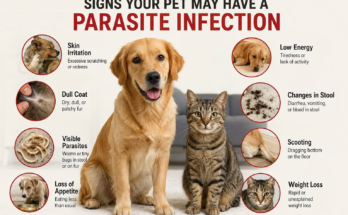

Fleas are one of the most common problems that pet owners face, especially during warm and humid weather. These tiny parasites may look harmless because of their small size, but they can cause serious health problems for dogs, cats, and other pets. A flea infestation can lead to constant itching, skin irritation, hair loss, infections, and even anemia in severe cases. Fleas can also carry parasites and diseases that may affect both pets and people. Understanding how fleas affect your pet’s health is important because early prevention and treatment can protect your pet from unnecessary discomfort and illness.
What Are Fleas and Why Are They a Problem?
Fleas are small, wingless parasites that survive by feeding on the blood of animals. They are extremely good at jumping and can move quickly through your pet’s fur. An adult flea can lay many eggs, which means a small flea problem can quickly become a large infestation. Flea eggs can fall from your pet onto carpets, bedding, furniture, and other areas around the home. These eggs can eventually develop into larvae and adult fleas.
One of the biggest problems with fleas is that they are not always easy to see. Your pet may have fleas even when you cannot find an adult flea in the fur. Some pets also groom themselves frequently and remove visible fleas before their owners notice them. For this reason, pet owners should pay attention to changes in their pet’s behavior and skin rather than relying only on seeing fleas.
Constant Itching and Skin Irritation
One of the first signs of a flea infestation is excessive scratching. Flea bites can cause intense itching because some animals are sensitive to substances found in flea saliva. A pet may scratch its body, bite its skin, lick certain areas, or rub against furniture to get relief.
Repeated scratching can damage the skin and create small wounds. These wounds may become red, painful, and irritated. Your pet may also develop scabs or areas of inflamed skin. If the infestation continues, the constant irritation can make your pet uncomfortable throughout the day and may interfere with normal sleeping and eating habits.
Flea related itching is particularly troublesome for pets with sensitive skin. Even a small number of fleas can cause a strong reaction in an animal that is allergic to flea saliva.
Flea Allergy Dermatitis
Flea allergy dermatitis is one of the most common skin problems associated with fleas. It occurs when a pet has an allergic reaction to flea saliva after being bitten. Dogs and cats with this condition can experience severe itching even when only a few fleas are present.
Common signs of flea allergy dermatitis include intense scratching, excessive licking, redness, scabs, hair loss, and irritated skin. The lower back, tail area, thighs, and abdomen are often affected. Some pets may chew their skin so frequently that they develop open sores.
Treating flea allergy dermatitis requires controlling the flea infestation as well as managing the skin reaction. Simply treating the irritated skin without removing fleas from the pet and its environment may allow the problem to continue.
Hair Loss and Damaged Skin
Fleas can have a major effect on your pet’s coat. Continuous scratching, biting, and licking can cause hair to become thin or fall out. You may notice bald patches or areas where the fur looks rough and unhealthy.
Damaged skin can also become vulnerable to bacterial infections. When a pet scratches an area repeatedly, bacteria can enter through broken skin. This can result in redness, swelling, discharge, unpleasant odors, and additional discomfort.
If your pet has unexplained hair loss or skin wounds, fleas should be considered as one possible cause. However, many other skin conditions can produce similar symptoms, so a veterinarian can help determine the exact cause.
Fleas Can Cause Anemia
Severe flea infestations can lead to anemia, particularly in young puppies, kittens, small pets, elderly animals, or pets that are already weak. Fleas feed on blood, and a large number of fleas can consume a significant amount over time.
Anemic pets may appear tired or weak. Their gums can become pale, and they may have less energy than usual. In serious cases, anemia can become a medical emergency.
Young puppies and kittens are especially vulnerable because they have smaller bodies and less blood volume. A heavy flea infestation in a young animal should never be ignored. Prompt veterinary attention can help prevent serious complications.

Fleas Can Carry Other Parasites
Fleas can also affect pet health by acting as carriers of other parasites. One important example is tapeworm infection. Pets can become infected with certain tapeworms when they accidentally swallow infected fleas while grooming themselves.
A tapeworm infection may cause digestive problems or other health concerns. Some pets may show very few symptoms, while others may experience weight loss, changes in appetite, or irritation around the anal area.
Because fleas can contribute to parasite infections, effective flea prevention is an important part of a complete pet health routine.
Fleas Can Affect Your Pet’s Behavior
A flea infestation does not only affect the skin. Constant itching and irritation can also change how your pet behaves. A normally relaxed dog or cat may become restless, nervous, or unusually irritated.
Your pet may spend a large part of the day scratching or grooming instead of sleeping, playing, or interacting with family members. Some animals may become less active because they feel uncomfortable. Others may become sensitive when certain areas of their body are touched.
When the flea problem is treated successfully, many pets become more comfortable and return to their normal behavior.
Fleas Can Spread Around Your Home
Many pet owners make the mistake of thinking that treating the animal alone will solve a flea infestation. Unfortunately, fleas can live in different stages of their life cycle. Eggs and immature stages can remain in carpets, bedding, cracks, furniture, and other areas where your pet spends time.
This means flea control often requires attention to both the pet and the environment. Washing pet bedding regularly, cleaning resting areas, and vacuuming carpets and furniture can help reduce flea eggs and other flea stages in the home.
Your veterinarian can also recommend an appropriate flea control program based on your pet’s age, species, health, lifestyle, and environment.
How to Recognize a Flea Infestation
There are several signs that may suggest your pet has fleas. Excessive scratching is one of the most obvious signs, but it is not the only one. You may also notice frequent licking, chewing of the skin, hair loss, red patches, scabs, or small dark particles in the fur.
These dark particles are sometimes called flea dirt and can be flea waste. If you suspect fleas, carefully check areas such as the base of the tail, neck, abdomen, and inner thighs.
A veterinarian can help confirm whether fleas are responsible for your pet’s symptoms. This is particularly important when skin problems are severe or when your pet has other health concerns.
Preventing Fleas Is Better Than Treating an Infestation
The best way to protect your pet from flea related health problems is to focus on prevention. Modern flea prevention products are available in different forms, including topical treatments, oral medications, and other veterinary recommended options.
The right product depends on your pet’s species, age, weight, health, and lifestyle. Never use a flea treatment designed for dogs on a cat unless a veterinarian specifically confirms that it is safe. Some ingredients that are appropriate for dogs can be dangerous for cats.
Regular grooming can also help you notice fleas or skin changes early. Keeping your pet’s bedding clean and maintaining a clean home environment can further support flea control.
When You Should Contact a Veterinarian
If your pet is constantly scratching, losing hair, developing sores, or showing signs of weakness, it is a good idea to speak with a veterinarian. Professional advice is especially important if your pet is very young, elderly, pregnant, or already dealing with another health condition.
Veterinary care can identify the cause of the problem and recommend a safe treatment plan. If fleas have caused a secondary skin infection, allergy, anemia, or parasite infection, additional treatment may be needed.
Avoid using random household chemicals or human medications on your pet. Products that are safe for people are not necessarily safe for animals.
Final Thoughts
Fleas may be tiny, but their impact on pet health can be significant. They can cause severe itching, skin irritation, flea allergy dermatitis, hair loss, infections, anemia, and parasite problems. A flea infestation can also affect your pet’s behavior and comfort, making everyday life difficult.
The good news is that flea problems can usually be prevented and managed with the right approach. Regular flea prevention, proper grooming, household cleaning, and routine veterinary care can greatly reduce the risk of infestation. Paying attention to early warning signs is equally important. If your pet starts scratching more than usual or develops unexplained skin problems, do not ignore the symptoms.
Protecting your pet from fleas is not simply about keeping the coat clean. It is an important part of responsible pet care and overall animal health. With consistent prevention and timely treatment, you can help your dog or cat stay comfortable, active, and healthy throughout the year.