
Parasite problems are one of the most common health concerns that affect dogs and cats. Fleas, ticks, worms, and other parasites can cause discomfort, skin irritation, digestive problems, weakness, and in some cases serious diseases. The good news is that most common parasite problems can be prevented with proper care and regular attention. Pet owners who understand how parasites spread and know the warning signs can take simple steps to protect their pets throughout the year.
Preventing parasites is not only about treating an infection after it appears. It is about creating a routine that reduces the chances of parasites affecting your pet in the first place. Regular veterinary visits, proper hygiene, parasite prevention products, clean living areas, and healthy habits all play an important role. In this article, we will discuss practical ways pet owners can prevent common parasite problems and keep their dogs and cats healthier.
Understanding Common Parasites in Pets
Before preventing parasites, it is important to understand the different types that can affect pets. Fleas are small insects that live on the skin and feed on blood. They can cause intense itching, hair loss, skin irritation, and allergic reactions. A serious flea infestation may even contribute to anemia, especially in young or weak animals.
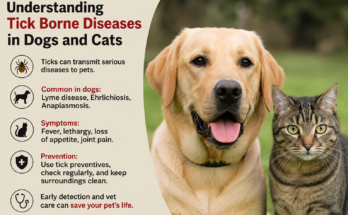
Ticks are another major concern. They attach themselves to the skin and feed on blood. Ticks can transmit several diseases to dogs and cats. Because they can be difficult to notice, especially under thick fur, pet owners should regularly check their animals after outdoor activities.
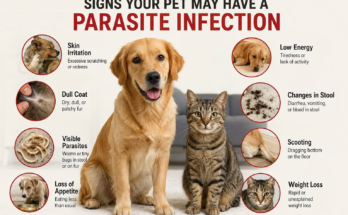
Internal parasites can also create health problems. Roundworms, hookworms, tapeworms, and other intestinal parasites can affect the digestive system. Symptoms may include diarrhea, vomiting, weight loss, poor growth, changes in appetite, and a dull coat. Some parasites can also infect humans, which makes prevention important for the entire household.
Keep Your Pet on a Regular Parasite Prevention Plan
One of the most effective ways to prevent common parasite problems is to use a regular parasite prevention plan recommended by a veterinarian. Preventive products are available in different forms, including tablets, topical treatments, collars, and other veterinary products. The best option depends on your pet’s age, species, health, lifestyle, and exposure to parasites.
It is important to follow the recommended schedule carefully. Missing doses can leave your pet unprotected and increase the risk of parasite infections. Some products protect against fleas and ticks, while others also help prevent certain internal parasites. Never assume that one product protects against every parasite.
Pet owners should also avoid using products designed for one species on another species unless a veterinarian specifically recommends it. Some products that are safe for dogs can be harmful to cats. Always read the label and follow professional advice before using a parasite treatment.
Schedule Regular Veterinary Checkups
Regular veterinary checkups are an important part of parasite prevention. Even when a pet looks healthy, parasites may be present without obvious symptoms. A veterinarian can examine your pet and recommend appropriate parasite prevention based on its lifestyle and risk factors.
Veterinary visits may also include fecal testing to look for intestinal parasites. Puppies and kittens can be especially vulnerable because their immune systems are still developing. Older pets and animals with other health problems may also require closer monitoring.
Your veterinarian can help determine how often your pet needs parasite testing and prevention. A personalized plan is usually more effective than waiting until symptoms become severe.

Keep Your Pet’s Living Area Clean
Good hygiene can make a major difference in preventing parasite problems. Flea eggs and larvae can survive in carpets, bedding, furniture, cracks, and other areas around the home. Simply treating the pet may not completely solve a flea infestation if the environment remains contaminated.
Wash pet bedding regularly using an appropriate washing cycle and clean areas where your pet spends most of its time. Vacuum carpets, rugs, furniture, and corners frequently. Empty the vacuum cleaner properly after cleaning if you are dealing with a flea problem.
Outdoor areas should also be kept clean. Remove pet waste from the yard regularly because some intestinal parasites can spread through contaminated feces. Keeping the environment clean reduces the number of parasites your pet may encounter.
Check Your Pet for Fleas and Ticks
Regular physical checks are a simple but effective way to detect parasites early. After your dog or cat spends time outdoors, check the skin and coat carefully. Pay particular attention to areas around the ears, neck, legs, paws, belly, and between the toes.
Ticks can sometimes be very small, especially during their early stages. Run your fingers gently through your pet’s fur and look for unusual bumps or attached insects. Flea dirt may also appear as tiny dark particles on the skin or bedding.
If you find a tick attached to your pet, do not ignore it. Use an appropriate tick removal method or contact your veterinarian for advice. Early detection can reduce the time a parasite remains attached and may lower the risk of certain tick borne diseases.
Maintain Good Grooming Habits
Regular grooming can help pet owners identify parasite problems before they become serious. Brushing your pet’s coat gives you an opportunity to look closely at the skin for fleas, ticks, redness, scabs, or unusual irritation.
Grooming is especially useful for pets with long or thick coats because parasites can be harder to see. While grooming does not replace preventive medication, it can be an important part of a complete parasite prevention routine.
During grooming, pay attention to excessive scratching, licking, chewing, or rubbing. These behaviors may indicate fleas, allergies, skin infections, or other problems that need veterinary attention.
Prevent Pets From Eating Unsafe Things
Some internal parasites can spread when pets eat infected animals, contaminated food, soil, or feces. Dogs may be particularly likely to investigate or eat things they find outdoors. Cats that hunt rodents and other small animals may also have increased exposure to certain parasites.
Try to prevent your pet from eating dead animals or animal waste. Keep food stored safely and avoid feeding raw food unless you have discussed the risks and proper handling with a veterinarian. Clean drinking water should always be available.
Preventing access to contaminated materials can significantly reduce the risk of intestinal parasite infections.
Practice Good Pet Hygiene
Pet owners should also maintain good personal hygiene when handling animals. Wash your hands after cleaning litter boxes, picking up dog waste, gardening in areas used by pets, or handling animals that may have parasites.
Children should be taught to wash their hands after playing with pets. This is particularly important because some parasites can potentially spread from animals to people.
Keep litter boxes clean and place them away from areas where food is prepared. Pregnant people and individuals with weakened immune systems may need to take additional precautions around animal waste, so discussing household hygiene with a healthcare professional can be helpful.
Be Careful During Outdoor Activities
Outdoor activities are healthy and enjoyable for pets, but they can increase exposure to parasites. Dogs and cats may encounter ticks in grass, wooded areas, gardens, and places where other animals live.
When taking your pet outdoors, avoid areas with heavy parasite exposure when possible. Check your pet after walks, hikes, or outdoor play. Keeping your pet on a veterinarian approved parasite prevention program is particularly important for animals that spend a lot of time outside.
Indoor pets should not automatically be considered completely safe. Fleas and some other parasites can enter homes through people, other animals, or contaminated objects. Even indoor cats and dogs may benefit from appropriate parasite prevention.
Watch for Early Warning Signs
Knowing the common symptoms of parasite infections can help pet owners act quickly. Excessive scratching, hair loss, red skin, visible fleas, tick attachment, vomiting, diarrhea, weight loss, coughing, weakness, and changes in appetite may indicate a parasite problem.
Some pets may show very few symptoms even when parasites are present. This is why prevention and routine veterinary care are important. Do not wait for a serious infection before taking action.
If your pet suddenly becomes weak, has severe vomiting or diarrhea, stops eating, has pale gums, or shows other concerning symptoms, contact a veterinarian promptly. Young animals can become seriously affected by certain parasites more quickly than healthy adult pets.
Avoid Delaying Parasite Treatment
If you discover parasites on your pet, early treatment is usually easier than dealing with a large infestation. Delaying treatment can allow parasites to reproduce and spread throughout the home or to other animals.
Follow your veterinarian’s instructions carefully. Treating only one affected pet may not be enough when parasites are capable of spreading between animals. The environment may also need attention, especially in the case of flea infestations.
Never give your pet leftover medication or a product intended for another animal. The correct treatment depends on the parasite involved and your pet’s individual condition.
Create a Simple Prevention Routine
Parasite prevention becomes easier when it is part of your normal pet care routine. Check your pet regularly, clean bedding, maintain good household hygiene, give preventive treatments on schedule, and attend regular veterinary appointments.
It can be helpful to keep a simple record of parasite prevention dates. This reduces the chance of forgetting a treatment and allows you to discuss your pet’s prevention history with your veterinarian.
The goal is not to become worried about every small change in your pet. Instead, consistent care helps you identify problems early and reduce unnecessary health risks.
Conclusion
Preventing common parasite problems requires regular attention, but it does not have to be complicated. A combination of veterinary care, parasite prevention products, good hygiene, regular grooming, environmental cleaning, and careful outdoor habits can provide strong protection for dogs and cats.
Pet owners should remember that parasites are not only an inconvenience. Fleas, ticks, and internal parasites can cause serious health problems when left untreated, and some may also pose risks to people. By taking preventive steps throughout the year and responding quickly to warning signs, you can protect your pet from many common parasite problems.
A healthy pet prevention routine starts with small daily habits. Keeping your pet clean, checking its coat, maintaining a clean living environment, and following a veterinarian recommended parasite prevention plan can make a significant difference. With consistent care and professional guidance, pet owners can help their dogs and cats stay comfortable, active, and healthy.