Feline respiratory infections are common health problems that can affect cats of all ages. They are especially common in kittens, cats living in shelters, and pets that regularly come into contact with other cats. A respiratory infection can sometimes look like a simple cold, but in some cases it can become serious and require veterinary treatment. Learning how to recognize feline respiratory infections early can help cat owners provide proper care and prevent the condition from becoming worse.
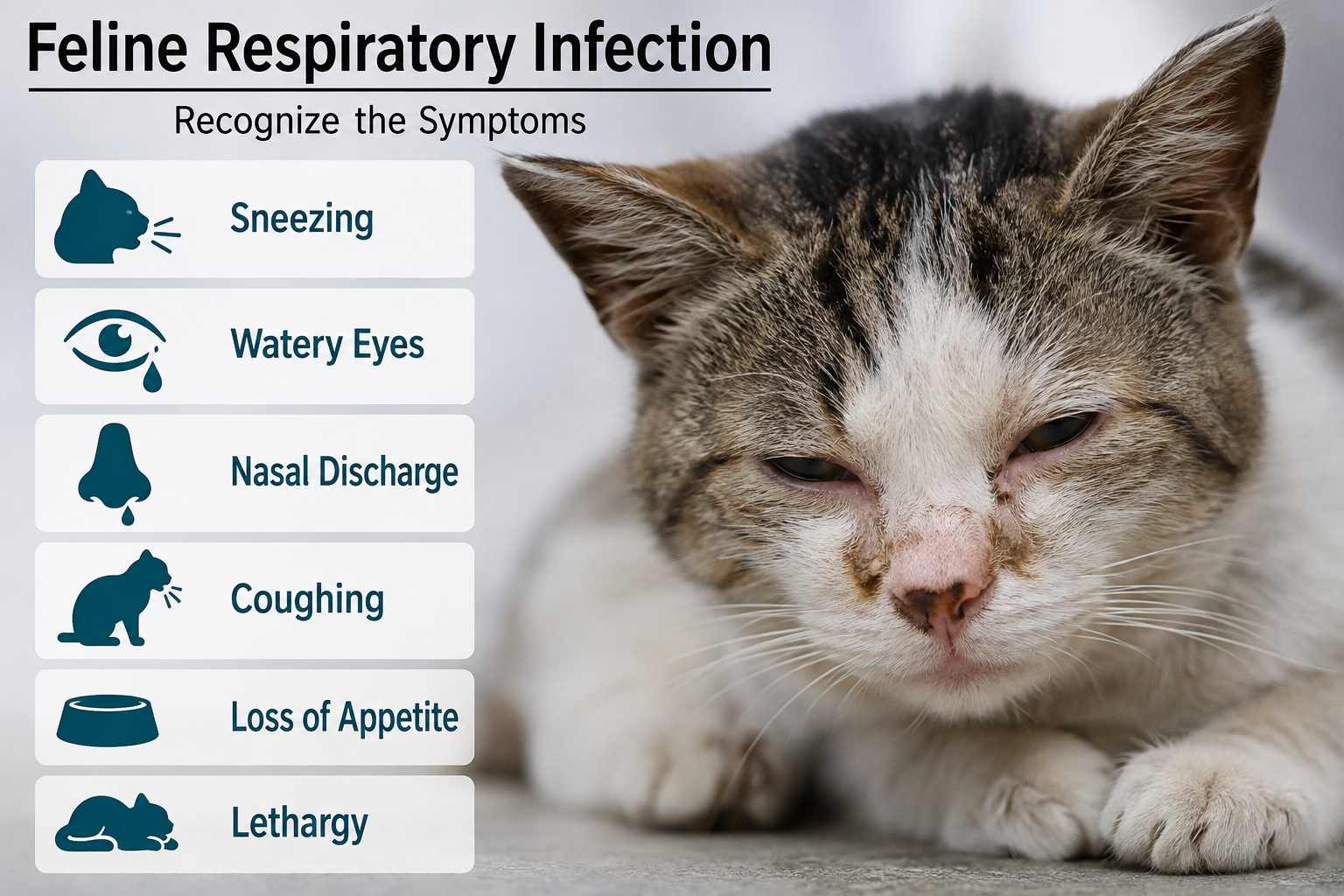
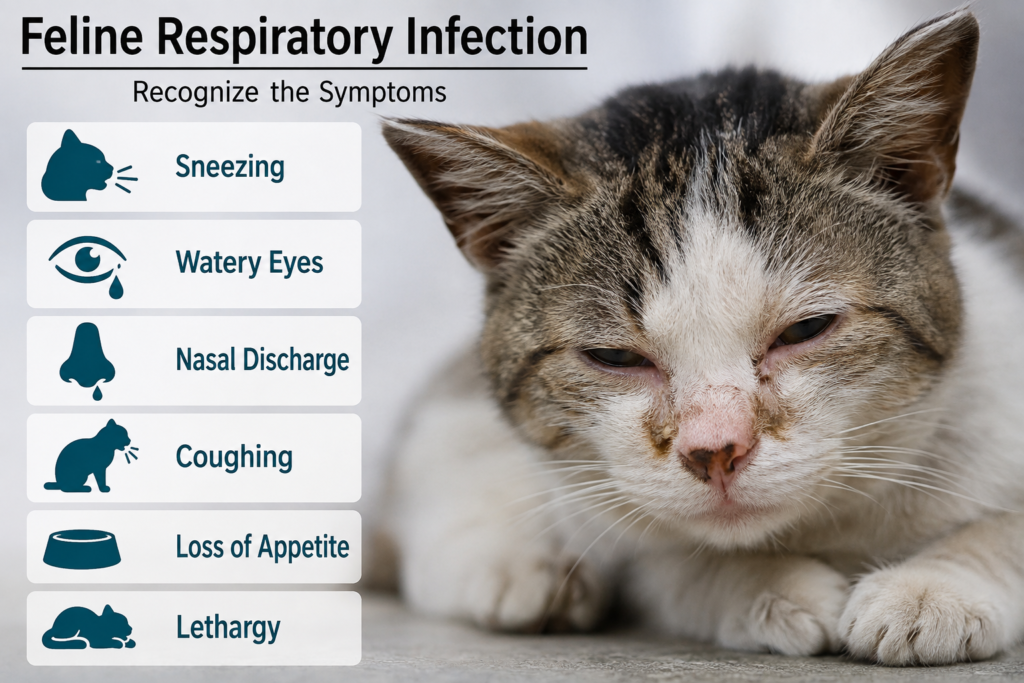
Cats are good at hiding signs of illness, which means changes in behavior or appearance can sometimes be easy to miss. Sneezing, watery eyes, nasal discharge, coughing, and reduced appetite may seem minor at first, but these symptoms can indicate an underlying infection. Understanding the common causes and warning signs of feline respiratory infections is an important part of responsible cat ownership.
What Are Feline Respiratory Infections?
Feline respiratory infections are illnesses that affect the upper or lower respiratory system of a cat. The upper respiratory system includes the nose, nasal passages, throat, and sinuses. The lower respiratory system includes the lungs and airways. Most infections in cats affect the upper respiratory tract, although some infections can spread to the lungs and cause more serious problems.
Feline respiratory infections can be caused by viruses, bacteria, or a combination of both. Viral infections are among the most common causes. Feline herpesvirus and feline calicivirus are two major viruses associated with respiratory disease in cats. Bacterial infections can also occur, either alone or after a viral infection has weakened the respiratory system.
Cats can spread respiratory infections through direct contact, sneezing, coughing, shared food bowls, bedding, grooming, and contaminated surfaces. This is why infections can spread quickly in homes with several cats or in crowded environments.
Common Signs of Feline Respiratory Infections
Recognizing the early signs of feline respiratory infections is important because cats may become sick gradually. Some symptoms may appear mild in the beginning and become more noticeable over several days.
Frequent Sneezing
Sneezing is one of the most common symptoms of a feline respiratory infection. An occasional sneeze may not be a reason for concern because cats can sneeze when dust or another minor irritant enters the nose. However, frequent sneezing, especially when combined with other symptoms, may indicate an infection.
If your cat starts sneezing repeatedly throughout the day or has sudden frequent sneezing that continues for several days, it is worth paying close attention to other changes in its health.
Runny Nose and Nasal Discharge
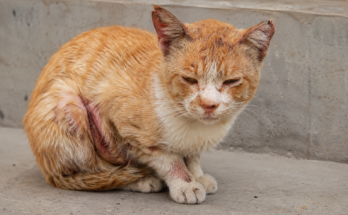
A healthy cat should not normally have a constant runny nose. Clear nasal discharge can occur during the early stages of some respiratory infections. As the infection develops, the discharge may become thicker or change color.
Yellow or green nasal discharge can sometimes suggest a secondary bacterial infection, although the appearance of discharge alone cannot confirm the cause. If your cat has persistent nasal discharge, especially with difficulty breathing or a loss of appetite, veterinary attention may be necessary.
Watery or Discharging Eyes
Eye problems are another common sign of feline respiratory infections. Your cat may develop watery eyes, redness, swelling, or discharge around the eyelids. Some infections can cause conjunctivitis, which makes the eyes appear irritated.
Cats with feline herpesvirus may experience recurring eye and respiratory symptoms. Because eye infections can sometimes cause complications, persistent redness, swelling, or heavy discharge should be evaluated by a veterinarian.
Coughing
Coughing is less common with simple upper respiratory infections but can occur when the lower respiratory tract is affected. A persistent cough should not be ignored, especially if your cat seems tired, breathes differently, or has reduced interest in food.
Coughing can have several possible causes besides infection, including asthma, parasites, heart problems, and other respiratory conditions. A veterinarian can help determine the underlying cause.
Loss of Appetite
A sick cat may eat less than usual or completely refuse food. Nasal congestion can make it difficult for cats to smell their food, and cats rely heavily on their sense of smell when deciding whether to eat.
Mouth ulcers can also develop with some feline respiratory infections, making eating uncomfortable. If your cat stops eating, monitor the situation carefully. Prolonged loss of appetite can become dangerous, particularly in overweight cats.
Lethargy and Reduced Activity
Another warning sign is a noticeable change in your cat’s normal behavior. A cat with a respiratory infection may sleep more, play less, hide, or show less interest in its surroundings.
Mild tiredness can occur while the immune system is fighting an infection. However, severe weakness, difficulty standing, or a cat that seems unusually unresponsive requires prompt veterinary attention.
Breathing Changes You Should Watch For
Changes in breathing are among the most important signs to recognize. A cat with nasal congestion may breathe noisily or seem uncomfortable while breathing. You might notice sounds such as snoring, wheezing, or congestion.
More serious signs include rapid breathing, open mouth breathing, significant effort when breathing, or the chest and abdomen moving unusually hard with each breath. Open mouth breathing in cats should always be taken seriously because cats normally breathe through their noses.
If your cat appears to be struggling to breathe, seek emergency veterinary care rather than waiting to see whether the symptoms improve.
How Feline Respiratory Infections Develop
Respiratory infections can vary significantly in severity. Some cats develop mild symptoms and recover with supportive care, while others may become seriously ill. Kittens, older cats, and cats with weakened immune systems can be more vulnerable to complications.
An infection may begin with sneezing and watery eyes before progressing to nasal congestion, discharge, reduced appetite, and tiredness. In some cases, symptoms improve within several days. In other cases, they may persist or become worse.
Because different diseases can cause similar symptoms, it is not always possible to determine the cause based on appearance alone. A veterinary examination can help identify whether your cat needs medication, testing, or additional treatment.
How Veterinarians Diagnose Respiratory Infections
When you take your cat to a veterinarian, the doctor may begin by asking about the symptoms, when they started, and whether your cat has recently been around other animals.
The veterinarian will usually perform a physical examination and listen to the cat’s lungs. Depending on the symptoms, additional tests may be recommended. These can include laboratory testing of nasal or eye discharge, blood tests, or imaging when a more serious respiratory problem is suspected.
Treatment depends on the cause and severity of the infection. Antibiotics may be used for certain bacterial infections, but they do not treat viral infections. This is why owners should avoid giving leftover medication or human medicine to their cats without veterinary guidance.
Caring for a Cat With a Respiratory Infection
If your veterinarian determines that your cat has a mild respiratory infection, supportive care at home may be part of the recovery process. Keeping your cat comfortable, hydrated, and encouraged to eat can be helpful.
Provide fresh water and offer food that has a strong smell and is easy to eat. Slightly warming wet cat food can sometimes make it more appealing because the smell becomes stronger. Keep your cat in a quiet and comfortable area where it can rest.
If nasal congestion is making breathing uncomfortable, a veterinarian may recommend safe methods for improving comfort. Never use human decongestants, essential oils, or other household remedies unless a veterinarian specifically tells you they are safe for cats.
Keeping the cat’s eyes and nose clean can also help with comfort. Use a soft, clean cloth and follow any instructions provided by your veterinarian.
Preventing Feline Respiratory Infections
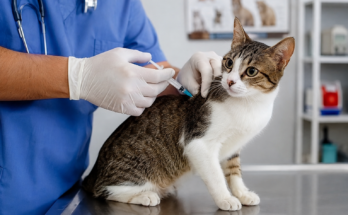
Prevention is an important part of feline health. Vaccination can help protect cats against several important infectious diseases, including feline herpesvirus and feline calicivirus. Vaccines may not prevent every infection, but they can reduce the severity of disease.
Good hygiene is also important, particularly in households with multiple cats. Clean food and water bowls regularly and keep bedding and litter areas clean. If one cat becomes sick, separating it from healthy cats may reduce the risk of spreading the infection.
New cats should also be introduced carefully. A recently adopted cat may carry an infection without showing obvious symptoms immediately. Keeping a new cat separated for an appropriate period and arranging a veterinary checkup can help protect other pets.
When to Contact a Veterinarian
Not every sneeze requires an emergency visit, but persistent or worsening symptoms should receive professional attention. Contact your veterinarian if your cat has repeated sneezing, ongoing nasal discharge, eye discharge, coughing, poor appetite, fever, or unusual tiredness.
Immediate veterinary care is particularly important if your cat has difficulty breathing, open mouth breathing, blue or pale gums, severe weakness, or refuses food and water.
Early veterinary care can make a significant difference because respiratory infections can sometimes progress to pneumonia or other complications.
Final Thoughts
Recognizing feline respiratory infections begins with knowing what is normal for your cat. Frequent sneezing, runny nose, watery eyes, coughing, congestion, loss of appetite, and reduced activity can all be warning signs. While many respiratory infections are manageable, some can become serious, especially in kittens, older cats, and cats with other health problems.
The best approach is to monitor your cat closely and take changes seriously. Avoid self medicating your pet and seek veterinary advice when symptoms persist or become worse. With proper vaccination, good hygiene, early recognition, and appropriate veterinary care, cat owners can help protect their pets from serious respiratory complications and support a healthier, more comfortable life.