Cats are good at hiding signs of illness, which is why many cat owners do not realize that something is wrong until a disease becomes serious. A cat may continue eating, sleeping, and behaving normally even when a health problem is developing. Knowing the common diseases in cats and their warning signs can help pet owners notice changes early and seek veterinary care at the right time. Regular observation, a healthy diet, vaccinations, parasite prevention, and routine veterinary checkups can all help protect cats from many health problems.
Why It Is Important to Know the Warning Signs
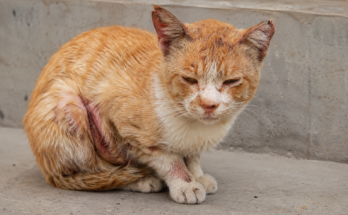
Every cat has its own personality and daily habits. Some cats are naturally quiet, while others are active and playful. When a cat suddenly changes its normal behavior, it may be an early sign of illness. Changes in appetite, drinking habits, litter box use, grooming, weight, energy levels, or sleeping patterns should not be ignored.
Cats often hide pain because they naturally try to avoid appearing weak. This means that even small changes can be important. A cat that starts hiding more often, stops jumping onto furniture, or becomes less interested in playing may be experiencing discomfort. Learning to recognize these warning signs can make a major difference in your cat’s health.
1. Feline Upper Respiratory Infection
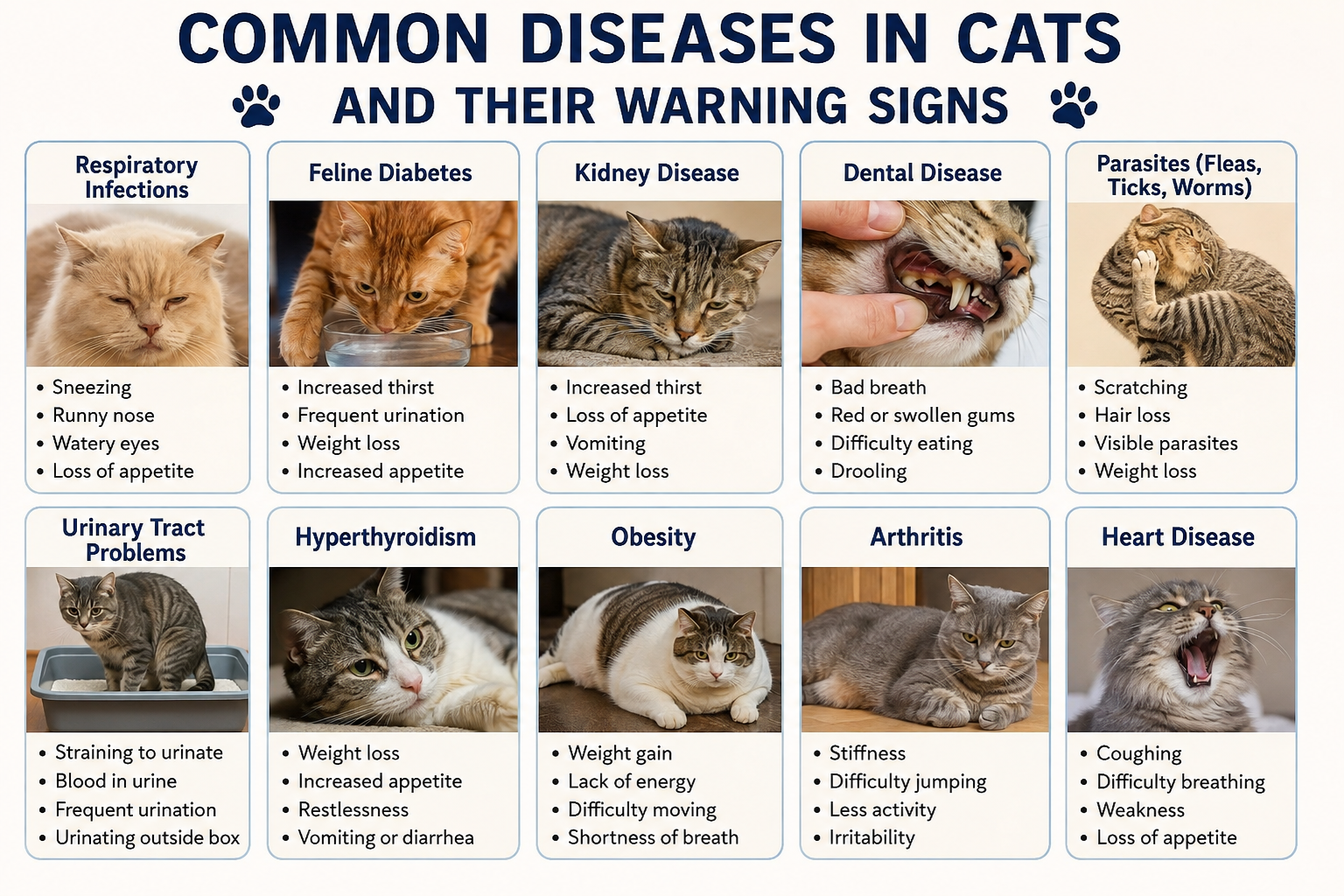
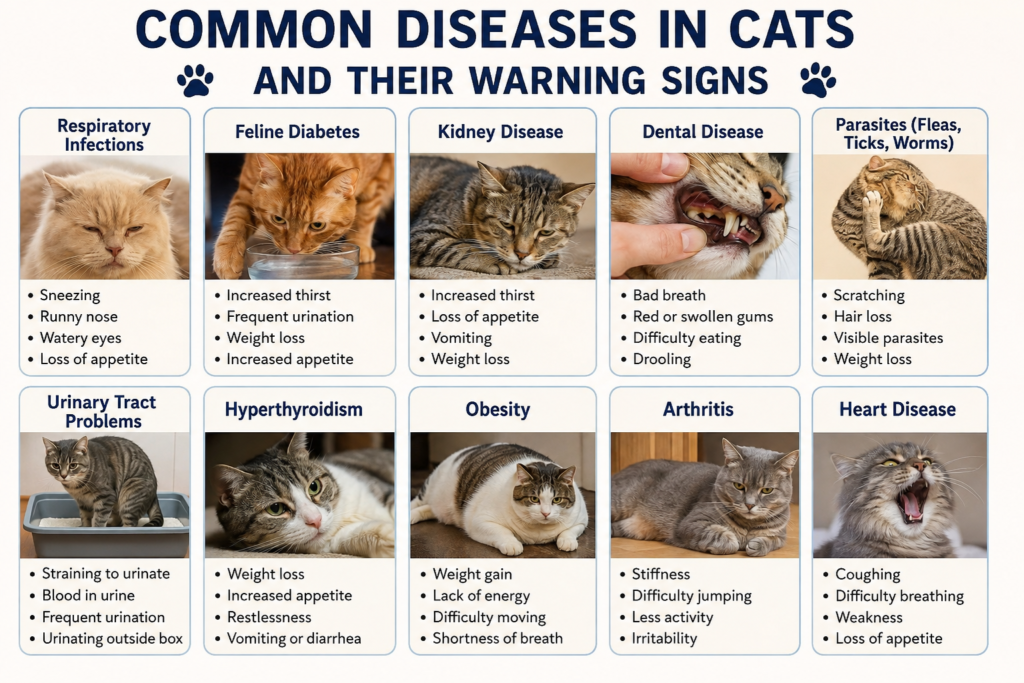
Feline upper respiratory infection is one of the common diseases in cats, especially in kittens, cats living in shelters, and households with several cats. It can be caused by viruses and sometimes bacteria. The infection usually affects the nose, throat, and eyes.
Common warning signs include sneezing, nasal discharge, watery eyes, coughing, congestion, reduced appetite, and tiredness. Some cats may develop a fever or have difficulty breathing if the infection becomes severe.
A blocked nose can also make it difficult for a cat to smell food. Since cats rely heavily on their sense of smell, they may eat less when they have a respiratory infection. If symptoms are severe, continue for several days, or include breathing problems, a veterinarian should examine the cat.
2. Feline Diabetes
Diabetes can affect cats when their body cannot properly control blood sugar levels. It is more common in overweight and older cats, although other cats can also develop the condition.
One of the most noticeable warning signs of diabetes in cats is increased thirst and frequent urination. A cat may also lose weight even though it continues to eat normally or even has an increased appetite. Some cats become weak and less active as the disease progresses.
Early diagnosis is important because feline diabetes can often be managed with proper veterinary care, nutrition, weight management, and medication when necessary. Cat owners should pay attention to changes in water consumption and litter box habits because these can provide early clues.
3. Kidney Disease
Kidney disease is particularly common in older cats. The kidneys help remove waste from the blood and maintain proper fluid balance. When kidney function decreases, waste products can build up in the body.
Early warning signs may include increased thirst, more frequent urination, reduced appetite, weight loss, and poor coat condition. As kidney disease progresses, a cat may experience vomiting, weakness, dehydration, bad breath, and significant loss of appetite.
Because early kidney disease can be difficult to notice at home, regular veterinary checkups are especially important for senior cats. Blood tests and urine tests can help veterinarians identify kidney problems and monitor kidney function.
4. Dental Disease
Dental disease is another common health problem in cats. Plaque and tartar can build up on the teeth and eventually cause inflammation of the gums. If the condition is not treated, it can become painful and affect a cat’s ability to eat comfortably.
Warning signs of dental disease include bad breath, red or swollen gums, difficulty chewing, dropping food, pawing at the mouth, and avoiding hard food. Some cats may also lose weight because eating becomes uncomfortable.
Many cats do not show obvious signs of mouth pain, so regular dental examinations are important. Home dental care and professional cleaning when recommended by a veterinarian can help maintain good oral health.
5. Fleas and Other Parasites
External and internal parasites can cause several health problems in cats. Fleas are especially common and can cause intense itching and skin irritation. Heavy flea infestations may even contribute to anemia, particularly in young kittens.
A cat with fleas may scratch frequently, bite or lick its skin, or develop small scabs. You may also notice tiny dark particles in the fur that can be flea dirt. Internal parasites such as intestinal worms can cause diarrhea, vomiting, weight loss, poor growth, or a swollen abdomen.
Regular parasite prevention is one of the best ways to protect cats. Owners should speak with a veterinarian about safe flea, tick, and worm prevention products because some products made for other animals can be dangerous for cats.
6. Feline Urinary Problems
Urinary tract problems can affect cats of different ages. Some cats develop bladder inflammation, urinary stones, or other conditions that make urination painful or difficult.
Warning signs include frequent trips to the litter box, straining to urinate, crying while urinating, urinating outside the litter box, blood in the urine, and excessive licking around the genital area.
A blocked urinary tract is a serious emergency, especially in male cats. A cat that repeatedly tries to urinate but produces little or no urine needs immediate veterinary attention. Delaying treatment can become life threatening.
7. Hyperthyroidism
Hyperthyroidism is a common disease in older cats. It happens when the thyroid glands produce too much thyroid hormone. The condition can affect metabolism and place stress on the heart and other organs.
A cat with hyperthyroidism may lose weight despite having a strong appetite. Other warning signs include increased thirst, frequent urination, restlessness, vomiting, diarrhea, and an unusually fast heartbeat. Some cats become more vocal or active than usual.
Because these symptoms can also occur with other diseases, veterinary testing is needed for an accurate diagnosis. Treatment can help control the condition and improve quality of life.
8. Feline Obesity
Obesity is not just a cosmetic issue for cats. Excess body weight can increase the risk of diabetes, joint problems, heart disease, and other health conditions. Cats that eat too much and get too little exercise are more likely to become overweight.
A cat may be overweight if you cannot easily feel its ribs, its waist is difficult to see, or there is a noticeable amount of fat around the abdomen. Reduced activity can also be a warning sign.
Maintaining a healthy weight is an important part of disease prevention. Portion control, appropriate food, regular play, and veterinary guidance can help cats maintain a healthier body condition.
9. Feline Arthritis
Arthritis is especially common in older cats, although it can also affect younger animals because of injuries or other conditions. Cats with arthritis often hide their discomfort rather than showing obvious pain.
Warning signs can include difficulty jumping, climbing stairs, using the litter box, or getting into favorite sleeping areas. A cat may also sleep more, groom less, become less active, or become irritated when touched.
Making small changes at home, such as providing easy access to food, water, and litter boxes, can make life easier for a cat with mobility problems. A veterinarian can recommend appropriate treatment and pain management.
10. Feline Heart Disease
Heart disease can sometimes develop without obvious symptoms. One important condition is hypertrophic cardiomyopathy, which causes the heart muscle to become abnormally thick.
Warning signs may include rapid breathing, difficulty breathing, weakness, sudden collapse, reduced activity, or poor appetite. Some cats may show very few signs until the disease becomes advanced.
Breathing difficulty in a cat should always be taken seriously. If your cat is struggling to breathe, seek veterinary care immediately rather than waiting to see if the problem improves.
How to Protect Your Cat From Common Diseases
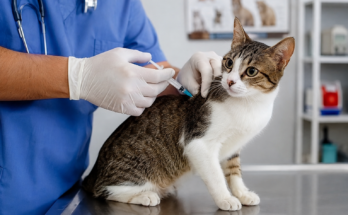
Prevention plays an important role in maintaining feline health. Cats should receive regular veterinary examinations, appropriate vaccinations, parasite prevention, and dental care. A balanced diet and healthy body weight are also important.
Cat owners should provide fresh water every day and keep litter boxes clean. Regular play helps cats stay physically active and mentally stimulated. It is also useful to check your cat’s coat, eyes, ears, teeth, and skin regularly.
Knowing your cat’s normal behavior is one of the simplest ways to notice illness. If your cat normally greets you at the door but suddenly starts hiding, or if it normally eats well but suddenly refuses food, take the change seriously.
When Should You Contact a Veterinarian?
Some warning signs require prompt veterinary attention. These include difficulty breathing, repeated vomiting, severe diarrhea, inability to urinate, seizures, sudden weakness, collapse, serious injuries, and extreme changes in behavior.
Loss of appetite can also be important, especially if a cat refuses food for an extended period. Cats can develop serious liver problems when they stop eating, particularly if they are overweight.
It is better to contact a veterinarian when you are unsure than to ignore a potentially serious symptom. Early diagnosis often provides more treatment options and may improve the chances of a good recovery.
Final Thoughts
Common diseases in cats can range from minor conditions to serious illnesses that require immediate treatment. Respiratory infections, kidney disease, diabetes, dental disease, parasites, urinary problems, obesity, arthritis, thyroid disease, and heart conditions are among the health problems cat owners should understand.
The most important step is to know your cat’s normal habits and watch for changes. Warning signs such as weight loss, increased thirst, changes in urination, poor appetite, vomiting, hiding, breathing difficulties, or reduced activity should never be ignored.
Regular veterinary care combined with good nutrition, parasite prevention, dental care, exercise, and careful observation can help your cat live a healthier and happier life. When something seems unusual, trust your observations and speak with a veterinarian. Early attention can make a significant difference in protecting your cat’s health and quality of life.