Dogs are loving and loyal animals that bring happiness and companionship into our lives. As a dog owner, keeping your pet healthy should always be one of your most important responsibilities. Dogs can be affected by many health problems, but infectious diseases are among the most common concerns because they can spread quickly between animals. Some infections can also become serious if they are not recognized and treated early. The good news is that many common infectious diseases in dogs can be prevented with proper care, vaccination, hygiene, nutrition, and regular veterinary checkups.
Understanding how infectious diseases spread and learning how to protect your dog can help you make better decisions about your pet’s health. Whether you have a young puppy or an adult dog, simple preventive steps can greatly reduce the risk of illness. This guide explains how to protect your dog from common infectious diseases and maintain a healthier and happier life for your pet.
Understanding Infectious Diseases in Dogs
Infectious diseases are illnesses caused by harmful organisms such as viruses, bacteria, fungi, and parasites. Dogs can become infected when they come into contact with an infected animal, contaminated surfaces, infected feces, contaminated food or water, or certain insects. Some diseases can spread through coughing, sneezing, bites, or close physical contact.
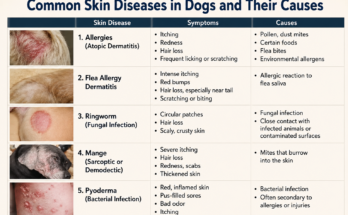
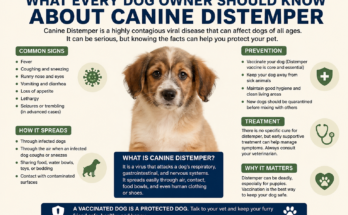
Common infectious diseases in dogs include canine parvovirus, canine distemper, kennel cough, leptospirosis, canine influenza, and several intestinal infections. The risk can vary depending on your dog’s age, vaccination status, lifestyle, environment, and contact with other animals.
Puppies are often more vulnerable because their immune systems are still developing. Older dogs and dogs with weakened immune systems may also have a higher risk of developing complications. Knowing these risks is the first step toward effective disease prevention.
Keep Your Dog’s Vaccinations Up to Date
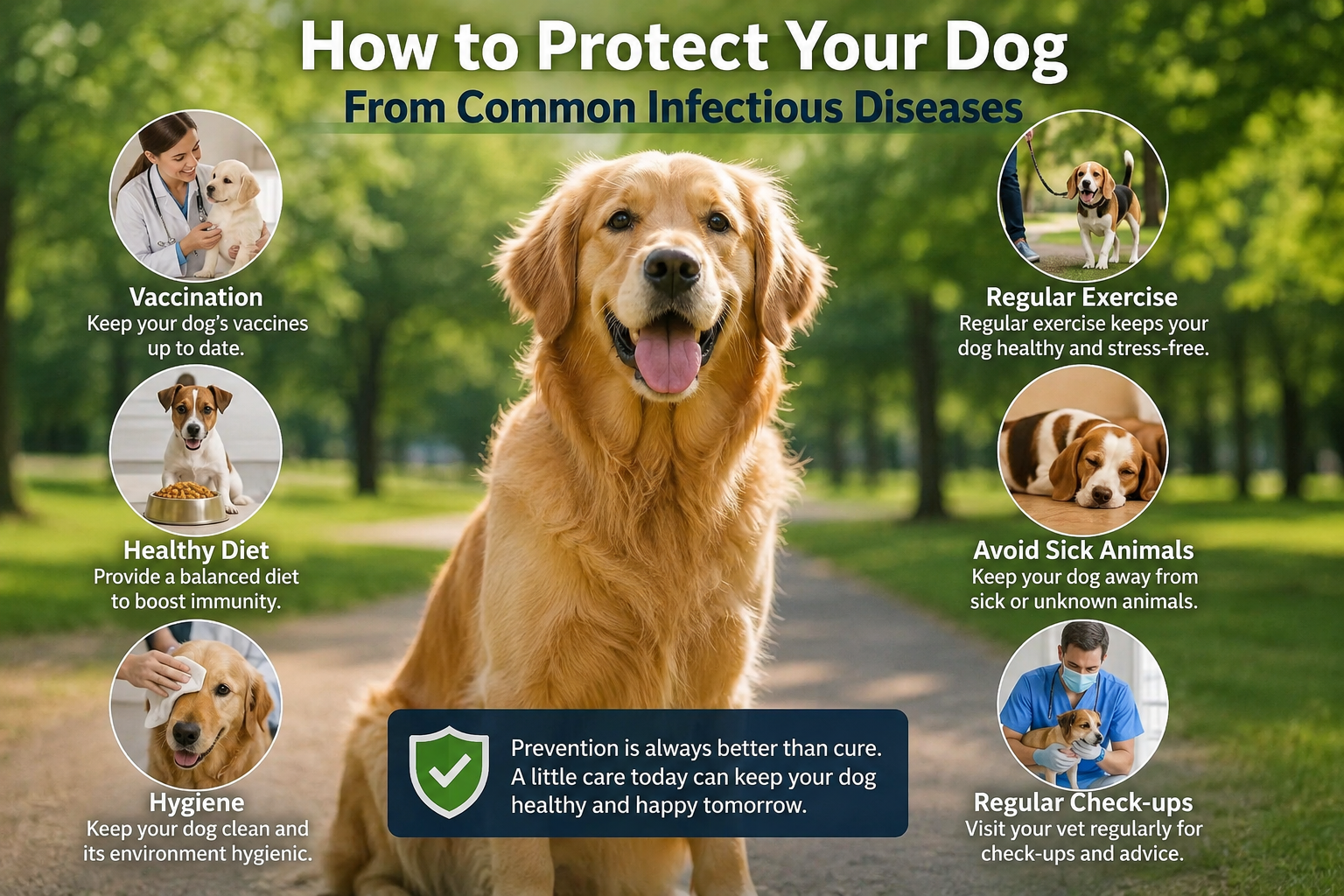
One of the most effective ways to protect your dog from infectious diseases is regular vaccination. Vaccines help prepare the immune system to recognize and fight specific infections before they become severe. Puppies usually require a series of vaccinations because their protection develops gradually as they grow.
Important vaccines may protect dogs against diseases such as canine parvovirus, canine distemper, adenovirus, and rabies. Depending on where you live and your dog’s lifestyle, your veterinarian may recommend additional vaccines.
Vaccination schedules can vary based on your dog’s age, health, and previous vaccination history. It is important not to rely on an old vaccination schedule because your pet’s needs may change over time. Your veterinarian can recommend the most appropriate vaccination plan for your dog.
Keeping vaccination records organized is also helpful. If your dog visits a boarding facility, daycare, groomer, or training center, you may need to provide proof of current vaccinations.
Schedule Regular Veterinary Checkups
Regular veterinary checkups are another important part of preventing infectious diseases in dogs. A dog may appear healthy while an infection is developing inside the body. Routine examinations allow a veterinarian to look for early warning signs and identify health problems before they become serious.
During a veterinary visit, your dog’s overall health can be evaluated. The veterinarian may check the eyes, ears, skin, teeth, heart, lungs, weight, and general physical condition. Preventive treatments and vaccinations can also be discussed during these appointments.
If your dog suddenly develops symptoms such as vomiting, diarrhea, coughing, sneezing, fever, unusual tiredness, loss of appetite, or discharge from the eyes or nose, contact your veterinarian. Early veterinary attention can make a significant difference, especially with diseases that progress quickly.
Practice Good Hygiene at Home
Good hygiene plays an important role in protecting dogs from infectious diseases. Regularly cleaning your dog’s food and water bowls can reduce the buildup of bacteria and other harmful organisms. Wash bowls frequently and provide fresh drinking water every day.
Your dog’s bedding should also be cleaned regularly. Dirty bedding can collect bacteria, fungi, parasites, and other contaminants. Washing blankets and bedding helps create a cleaner environment for your pet.
It is equally important to clean areas where your dog regularly spends time. If your dog has an accident indoors, clean the area properly to remove contamination and reduce the chance of repeated exposure.
Always wash your hands after handling dog waste, cleaning contaminated areas, or caring for a sick animal. Good personal hygiene can help protect both your dog and your family.
Avoid Contact With Sick Animals
One simple way to prevent infectious diseases in dogs is to limit contact with animals that appear sick. If another dog is coughing, vomiting, experiencing diarrhea, or showing unusual behavior, it is better to keep your dog away until you know what is causing the illness.
Dog parks, daycare centers, boarding facilities, grooming salons, and other places where many dogs gather can increase exposure to infectious organisms. This does not mean you should avoid these places completely. Instead, make sure your dog is properly vaccinated and choose facilities that maintain good hygiene and disease prevention practices.
If your own dog becomes sick, keep it separated from other animals when appropriate. Ask your veterinarian how long your dog may remain contagious and when it is safe to return to normal activities.
Keep Your Dog Away From Contaminated Waste
Dogs naturally explore the world with their noses and mouths. Unfortunately, this behavior can expose them to harmful organisms. Infected feces can contain viruses, bacteria, parasites, and other pathogens that may cause serious illness.
When walking your dog, prevent it from eating feces or drinking from dirty puddles and unknown water sources. Always clean up after your dog and dispose of waste properly.
This is especially important in areas where many dogs visit. Contaminated ground can remain a source of infection even after an infected animal has left the area. Good waste management helps reduce disease transmission among pets.
Provide Clean Food and Water
Nutrition has an important role in supporting your dog’s immune system. A balanced diet provides the nutrients your dog needs to maintain normal body functions and fight infections.
Always provide clean drinking water and replace it regularly. Avoid giving your dog spoiled food or food that has been stored improperly. Raw or undercooked foods can sometimes carry harmful bacteria, so discuss your dog’s diet with a veterinarian if you are considering a raw feeding plan.
Food bowls should be cleaned frequently, particularly if they contain wet food. Store dog food according to the manufacturer’s instructions and keep it protected from moisture, insects, and contamination.
Protect Your Dog From Fleas, Ticks, and Mosquitoes
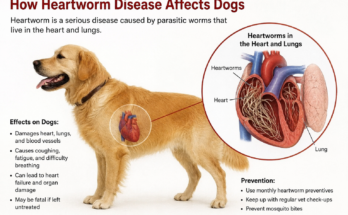
Parasites can expose dogs to infectious diseases. Fleas, ticks, and mosquitoes can carry organisms that cause illness. Some tick borne infections can lead to fever, weakness, joint problems, anemia, or other serious complications.
Using veterinarian recommended parasite prevention can significantly reduce these risks. Your veterinarian can recommend products based on your dog’s age, size, health, and local parasite risks.
Check your dog for ticks after outdoor activities, especially if your pet has been walking through grass, bushes, or wooded areas. Pay attention to areas around the ears, neck, legs, and between the toes.
Keeping your home and yard clean can also help reduce parasite exposure. Regularly wash bedding and maintain outdoor areas where your dog spends time.
Be Careful When Traveling With Your Dog
Travel can expose dogs to unfamiliar environments and new animals. Before traveling, make sure your dog’s vaccinations and parasite prevention are current. Take enough food, clean water, medication if prescribed, and important health records.
Avoid allowing your dog to drink from unknown water sources. If you are staying in a hotel, boarding facility, or another shared environment, check that the area appears clean and well maintained.
When traveling internationally or between regions, ask your veterinarian about additional health risks. Certain infectious diseases and parasites are more common in particular areas, so preventive care may need to be adjusted.
Support a Strong Immune System
A healthy immune system gives your dog a better chance of fighting infections. Along with proper nutrition, dogs need regular exercise, adequate sleep, clean living conditions, and a healthy body weight.
Stress can also affect overall health. Give your dog a safe and comfortable place to rest and maintain a consistent daily routine whenever possible. Regular physical activity can support healthy muscles, weight, and general wellbeing.
However, avoid excessive exercise when your dog is young, elderly, recovering from illness, or showing signs of weakness. Your veterinarian can help determine the appropriate activity level for your pet.
Recognize the Early Signs of Infection
Knowing the common signs of infectious diseases can help you act quickly. Symptoms may include loss of appetite, vomiting, diarrhea, coughing, sneezing, fever, nasal discharge, eye discharge, weakness, unusual sleepiness, difficulty breathing, or changes in behavior.
Some infections can become serious within a short period, particularly in puppies. If your dog shows severe symptoms or suddenly becomes very weak, seek veterinary care as soon as possible.
Do not give human medications to your dog unless a veterinarian specifically recommends them. Some medicines that are safe for people can be dangerous or even toxic to dogs.
Conclusion
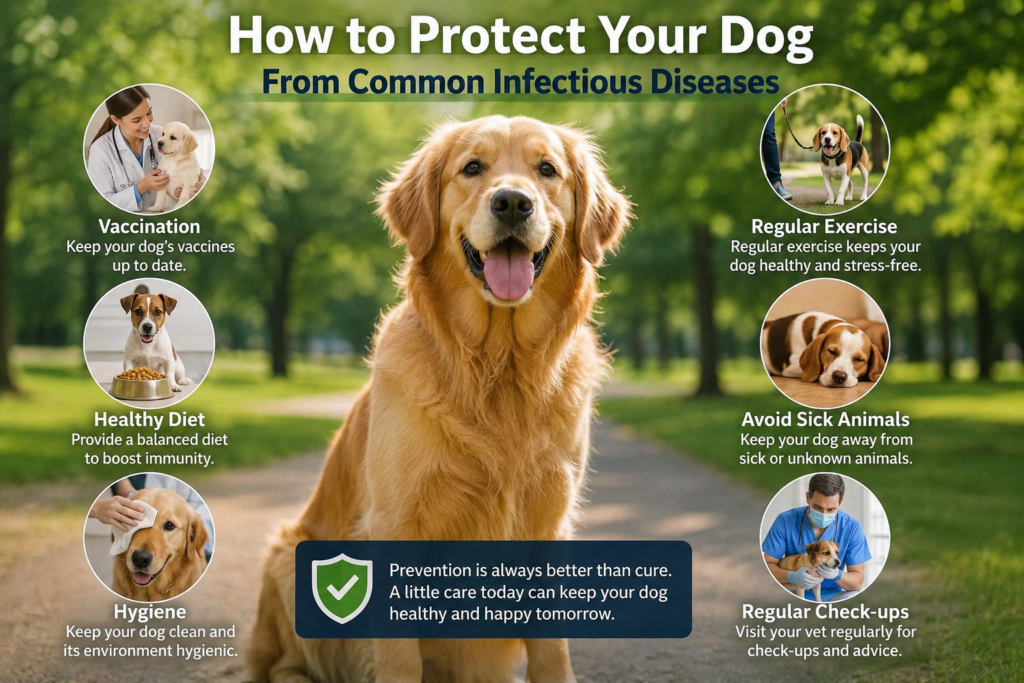
Protecting your dog from common infectious diseases requires consistent care rather than one single action. Keeping vaccinations current, scheduling regular veterinary checkups, practicing good hygiene, providing clean food and water, controlling parasites, and avoiding contact with sick animals can all reduce the risk of infection.
Every dog has different health needs, so preventive care should be based on age, lifestyle, environment, and individual risk factors. By paying attention to your dog’s health and responding quickly when something seems unusual, you can help prevent many serious illnesses.
A healthy dog is more likely to enjoy an active and comfortable life. With responsible ownership and regular veterinary care, you can give your pet strong protection against many common infectious diseases and enjoy many more happy years together.